

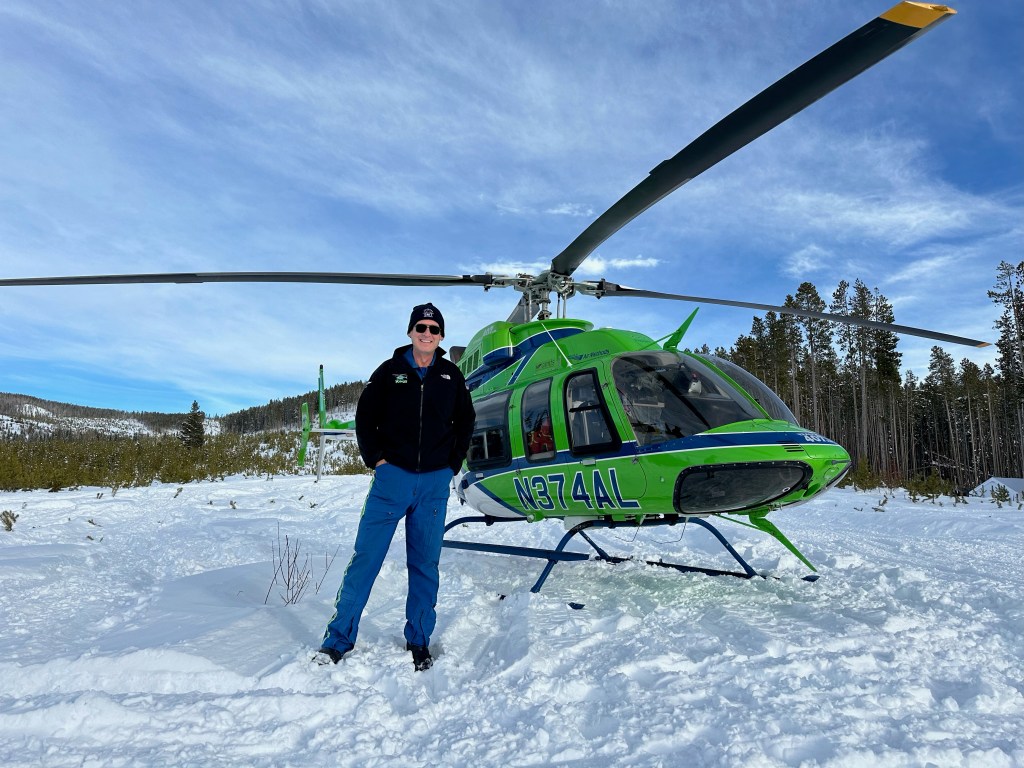
Soldier turned ski-patroller, turned wildfire-firefighter Greg Poirier found his calling in the fast-paced life-or-death world of the air ambulance pilot. Here he gives us the low-down on his life-saving work and the nitty-gritty of his mount, the redoubtable Bell 407HP.
What is EMS? EMS stands for Emergency Medical Services. I fly a Helicopter Air Ambulance.
What is best about the EMS 407HP? The 407HP’s great performance at high altitude is what I like best. Around Colorado we often land between 6000-9000 feet, so performance is crucial. The aircraft has always been able to do what I need it to do. The weight and balance and CG limits are great too, it’s very hard to get the helicopter out of CG. The saying goes, “If you can close the doors, it’s in CGâ€.
And what is worst about the EMS 407HP? The thing I least like is the max gross weight internally is limited to 5000 lbs above 7000’ density altitude. This means we may need to add a fuel stop when transporting a patient. My hospital in Denver is at 6000’ and our operational weight typically is around 4700 lbs with the crew and 1+30 on fuel. So as far as adding to that initial operational weight, I can only add another hour of fuel or carry a 300 lb patient.
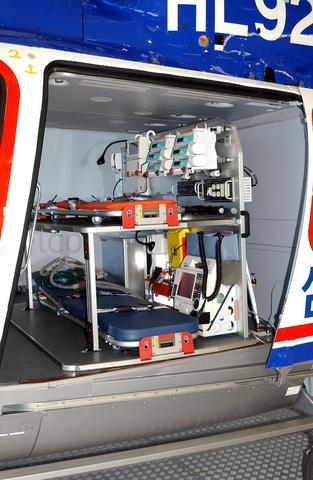
What qualities does a helicopter need to be good for EMS? It’s such a program dependent need for the platform, but capability is the most important. Things to consider: Is the helicopter exclusively used for pediatric calls? Is it used in more inclement weather (so it may need to be IFR certified)?. Is it used over water? Is it used at high altitude?
What makes a good EMS pilot? It is a very unique environment flying as a single pilot in an EMS Air Ambulance. Flexibility, good communication skills and quick thinking are the top characteristics for a good EMS pilot. The job can be so random that’s it’s very important to be flexible and not a rigid thinker. It’s on-demand so you’ll need to be ready to check weather, duty day and fuel efficiently. Being able to clearly communicate with your medical crew, communications center, or fire and ambulance crews on the ground is so critical. As far as quick thinking is concerned, that’s about being able to make a Go or No-Go decision in a timely manner, problem solving for aircraft issues, or recognizing if the medical crew needs some other assistance with patient needs. The pilot won’t perform any patient care, but we may need to be prepared to land at a hospital enroute if the patient condition deteriorates along the way.
Your best and worst calls?

One of my worst calls was an obstetric patient who had a problem after the delivery and was at a hospital that was about a 35 minute flight outside of Denver. The baby was healthy, but mom was very sick with internal bleeding. It took a lot of blood and medicine to get the patient stabilized enough to transport. While heading back to Denver, the patient’s condition continued to deteriorate and the nurse asked me to relay to the hospital that we needed all hands on deck and that they would probably be “Coding†(doing CPR) when we arrived in a few minutes. Everyone was there when we arrived and when I located my crew after securing the aircraft, the hospital staff had taken over and continued CPR. We went back to our base to restock and debrief and get ready for the next call.

Two days later I was working with the same High-Risk Obstetric Nurse and I mentioned to her how sad it was that the mom had passed away. She replied “Actually she’s going to be fine!†Excuse me? The hospital staff performed an incredible job of giving the patient a rapid transfusion of blood, located where she was bleeding and took care of the problem. She had no deficits and was able to go home with her new baby a few days later.
So the answer is one of my worst calls turned out to be one of my best!
Where is the strangest or trickiest place you have landed?
Hands down, the strangest place I’ve landed is Burning Man! I was flying out of Reno, Nevada, which is a 90 nm flight to Burning Man. We would climb up to 11,000’ and you could see the festival through the night vision goggles from 90 nm no problem. It was eerie how in the middle of the desert, with nothing around for miles, there was this temporary city with flame-throwers, bon fires and incredibly lit art displays.
The trickiest place was near Steamboat, Colorado in a standard 407 (prior to the HP conversion) at about 10,200’. It was in a fairly large field, but being in the standard 407 I was really close on power margins. It was definitely one of the higher workload take-offs and landings that I’ve done. And things worked out and we were able to transport the patient to Denver.
What do people tend to say you to when you tell them what you do?
Wow! you must see some interesting stuff! Or, It must be exciting! I don’t usually go into details as far as some of the crazy calls I’ve been on or calls that may have been a bit “too exciting†but I can give someone a good description of what we do.
Any idea of the number of people you have saved – and have you met any of them afterwards? I’ve flown between 1500-1600 patients during my 18-year career. EMS pilots will meet patients every so often, but typically we don’t have much contact with them after we get them to the hospital. We have a few special patients that stop by the hangar to say hi and thank us, which is really nice. Once I also randomly met the patient we flew off the mountain near Steamboat about 6 years after the event. We were at a July 4th pancake breakfast showing off our helicopter and a gentleman came up and told me the story about how he was flown from a place near Steamboat a few years back and I was able to say, “That was me!â€
What is the best and worst thing about your job?
I really enjoy the variety of the job. There is no rhyme or reason to where we go and who we get. You can’t come in and say “We can expect to go to Vail or Limon, Colorado todayâ€. We might do three calls in a 12 hour shift or maybe none, but it averages out to about 1 per shift. I also really like the schedule. As pilots we work 12-hour shifts, with a week on and week off. So the work life balance is pretty nice. The worst thing is dealing with the particularly tragic or tough calls. For the pilots we are able to distance ourselves a bit because we need to focus on the task at hand, but we also aren’t blind to the event. It’s great to be able to debrief with the crews and management on tough calls to make sure we are all doing mentally and physically okay.
Which other aircraft have you flown?
R22, R44, Schweizer 300C, 206B, 206L, every variant of the 407, AS350 B2 and B3. I’ve also been at the right place at the right time to get a few minutes in a Bell 412 and Sikorsky S76. I have a few hours in some airplanes, but I’m not rated as a fixed wing pilot.
Describe the EMS 407HP in three words?
Capable, Flexible and Powerful
What should I have asked you and what’s the answer?
How did I get to where I am today? I was in the Army, but didn’t fly when I was in. I was with a Blackhawk unit with the 101st Airborne and enjoyed it. After I got out of the Army, I was a ski patroller in the winter and was on a wildland firefighting crew for a few years as well. During a particularly long assignment fighting a fire in Montana, a 206L flew over us taking pictures and I thought “Maybe I should give that a shot†I used the G.I. Bill to pay for a portion of my training and never looked back. I worked as a flight instructor, flew offshore to oil rigs in the Gulf of Mexico, flew tours around the Grand Canyon and Las Vegas, and finally wound up flying EMS in 2006. When I first started flying the industry had a lot of retired military pilots, but we’ve seen a shift into civilian trained guys like myself over the past 10 years or so.
How would you improve the EMS 407HP?
It would be wonderful if they could increase the max-gross internal weight to 5250 lbs at some point. I know it would not be cheap to get the certification done for that, but that would make a massive difference in how we operate on a day-to-day basis.
Where does the EMS 407HP rank in your personal top 10 of EMS platforms? I’ll try not to overthink this question and come at it from an “All things being equal†sort of mindset. I think I’d place it second. If I walked out to the helipad and saw these helicopters I’d hop into the helicopters in this order.Â
10. Bell 206L 
I have about 1000 hours in this helicopter and absolutely love it! Extremely rugged, reliable and does everything. I’d hop in it anytime for utility work and offshore, but I’d squeeze into this last.

9. Airbus H130
Probably the most spacious single-engine platform with the best visibility.

8. Leonardo AW119
Great at lower altitudes and a really nice layout for EMS.
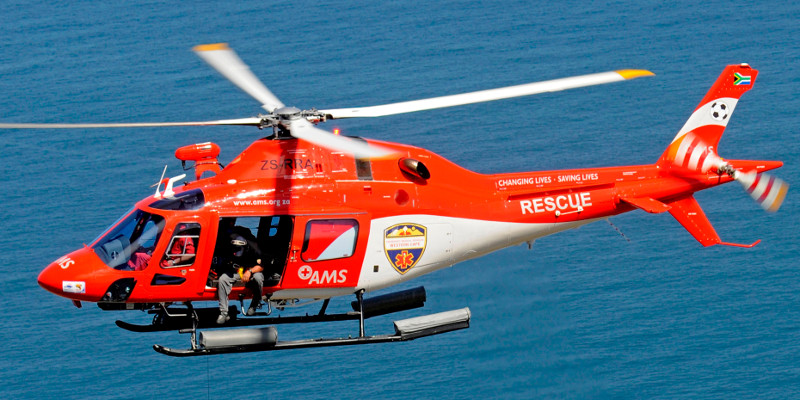
7. Airbus H155
Another large cabin airframe that can be used in various EMS configurations.
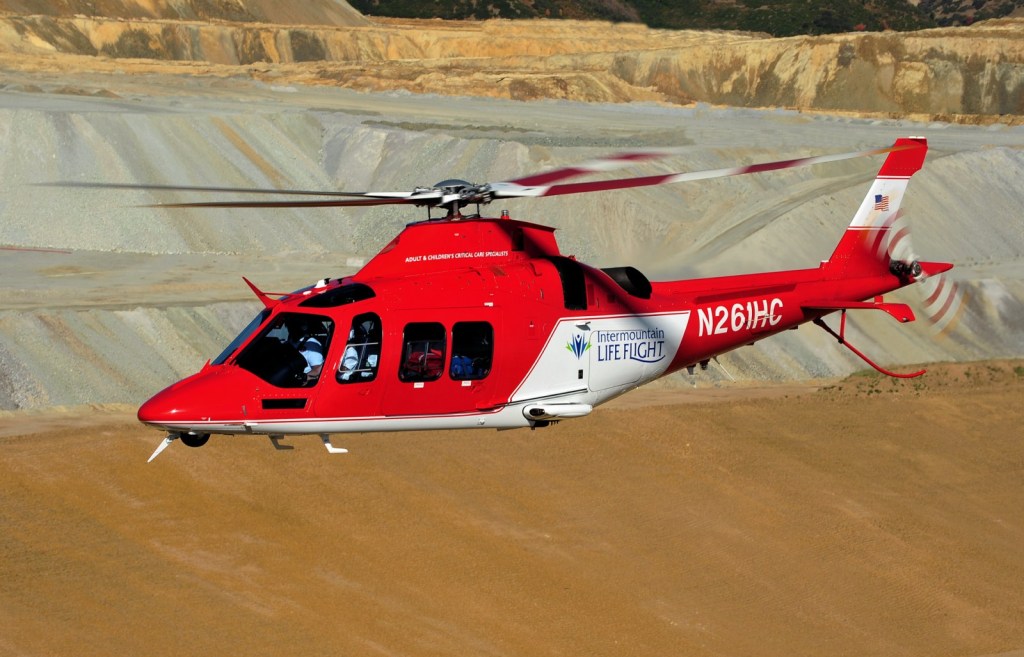
6. Leonardo AW109
Sleek and fast!
5. Airbus H160
I don’t know a lot about this helicopter, but it looks incredible. A few are being built as Air Ambulance platforms here in the US and I can’t wait to hear about how they perform
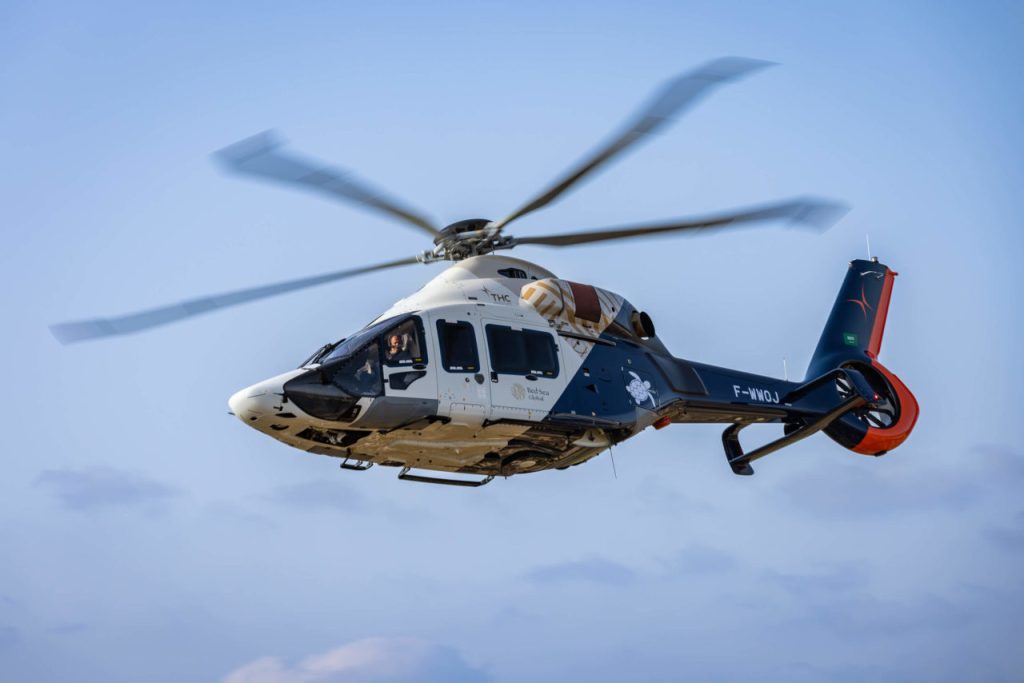
4. Airbus H125

H125 I did love flying this helicopter for three years. This is such a pilot-friendly helicopter with the FLI (First Limit Indicator), start-up and shutdown is a breeze. Visibility and crew coordination are great in this. I had to give minus points for the CG for me. It tended to be the limiting factor when I flew it. 3 large crew members would limit the size of the patient we could take.Â
3. Airbus H145

Extremely capable helicopter that has everything. Size and automation are terrific in this helicopter. The med crews have so much working room and patient access in this helicopter.
2. Bell 407HP

What can I say? If you’ve read the article down to here, you know how much I love this helicopter.
1. Bell 429

Speed, performance and the cabin for patient care. The clamshell doors really help with loading and unloading as well. I have a friend that absolutely raves about the 429 and he has said that if his 429 went away he would immediately look for another base that has a 429 and would move there.

