10 things you shouldn’t believe about air combat
A lot of bollocks is talked about air-to-air combat, so in an effort to dispel some popular myths we approached former Air Warfare Instructor Paul Tremelling to separate the wank from the chaff. Paul is a former Sea Harrier, Super Hornet and Harrier pilot and author of this book. Over to Paul.
I’ll be honest with you. I may not have read the question which is a cardinal sin. Air combat could well mean just about anything to just about anyone. When asked for my thoughts my mind immediately went to 1 v 1. Usually assumed to only occur in the visual arena; sometimes termed Air Combat Manoeuvring, sometimes termed Basic Fighter Manoeuvres (following the usual trend for pointless rebranding), once upon a time called a ‘Dog Fight’ because ‘Cat Fight’ was already taken. That’s what came into the mind’s eye. Probably because (with the notable exception of watching a Leopard tank drive over a house one day) manoeuvring close in is probably responsible for the most compelling and exciting things my eyes have ever been asked to take in. It’s also responsible for significant periods of my eyes not working…
The idea of 1 v 1 combat is an amalgam of various threads. It makes sense that in a field where there could be a winner and a loser that there are grounds for competition. It makes sense that if one is interested in a certain technology or a given profession, then you might want to know what or who is the best at it. It makes sense from a historical stand point that one could get a relatively accurate idea about warfighting prowess in a much simplified event that closely resembled a sport. This is how we got jousting and in a historic echo this is probably why we refer to Air Combat Manoeuvring as ‘the sport of kings’; despite the very low propensity of the royals to actually give it a crack. All this combines to make 1 v 1 air combat a ripe breeding ground for all kinds of myths, misconceptions and outright lies – because the picture we have in our heads is of duelling knights obeying the rules of chivalry; going about their business to prove a simple point; probably in peacetime on largely similar mounts, on a flat field, in nice weather, both armed with the same long pole. This is a petri dish for nonsense because all sorts of things happen when lives aren’t at stake and when we try to make some incredibly complex terrain fit our ineptly simple map. 1 v 1 combat is actually about killing the opposition, who happens to be in an aeroplane. It’s about lethality, survivability, g, power, lift, speed, sensors and countermeasures. Air combat should really be viewed as jousting but where a knight is on the ground breathing his last having been shot by an archer (pun possibly intended) he knew nothing about…
A few myths for you to consider.
10. It’s all about the jet ‘God doesn’t play Top Trumps’
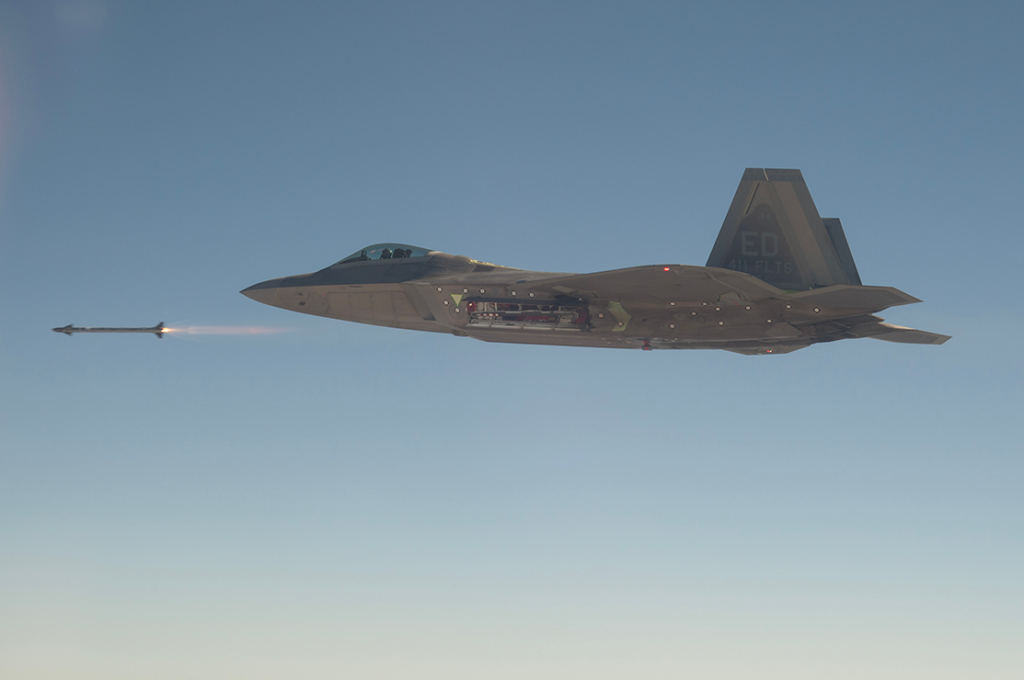
This is of course nonsense. We know that it’s nonsense. We even prove to ourselves that it’s nonsense by using phrases such as ‘if flown by equally talented pilots’ when comparing aircraft to show that we understand human ability has to come into the equation at some point. So how do we get ourselves into this irreconcilable piece of the Venn diagram? It’s because we have favourites. Usually based on some bias or ignorance. Which is fine – we probably mean that it’s mainly about the jet. We can probably agree that the aircraft as a weapon system is critical, but the weapon system is the aeroplane, the cueing system, weapons, the sensors, the countermeasures, other stores and the fuel load. All of which can vary dramatically from mark to mark, country to country, unit to unit and day to day.
9. These jets can always take a pounding ‘Fragile jetsculinity’
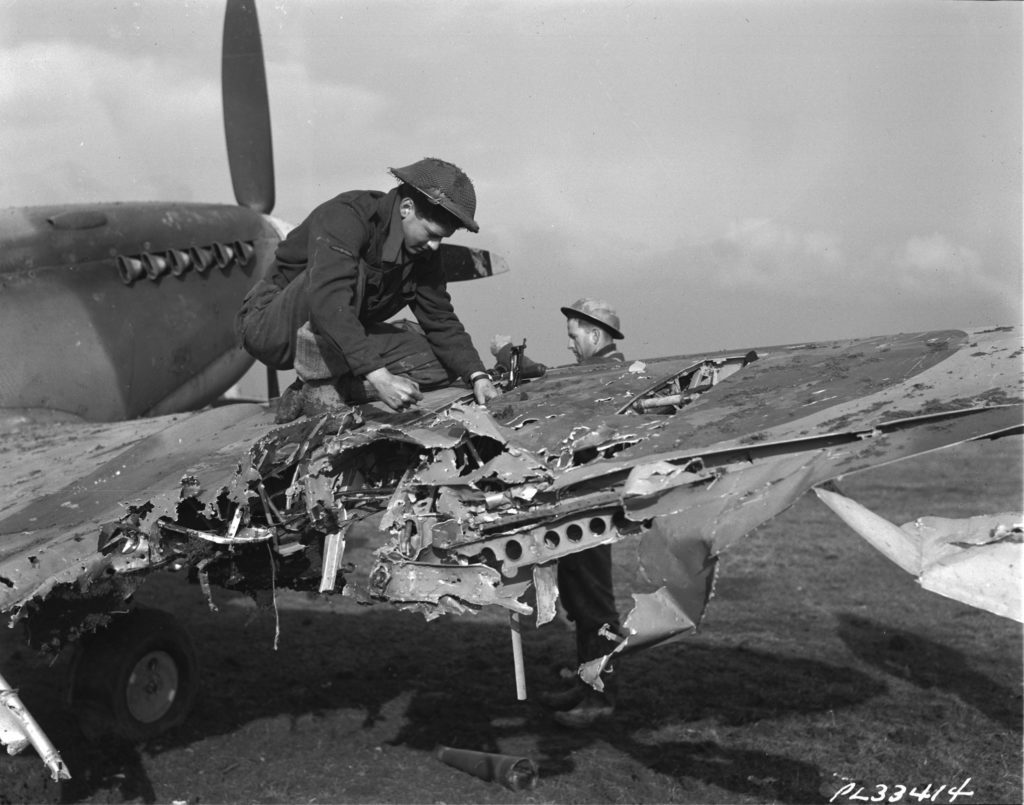
Think about an aircraft’s construction. How much of it is unnecessary? Probably very little. Unnecessary stuff costs money and adds weight. I take the point that people build in redundancy into warplanes such that they can take damage. Some warplanes can take one hell of a beating. The A-10 springs to mind. The Super Hornet had so many redundant systems that learning them was a pain. But what do you actually want a weapon fragment or 30mm (or so!) piece of metal to do? Hit something vital. How many flight paths are there through a warplane that a 30mm hole can take without hitting something? Not many. How many jets can take a missile hit in the cockpit area and survive with an intact pilot? Not many. Think about it from a weapon designer’s standpoint. He/ she wouldn’t really be earning their pay if it couldn’t crack the one job it had. Obviously things change. In World War 2 aircraft being full of a whole heap of nothing could, and did, take hundreds of rounds on occasion.  The point is simple. One shell can be enough. Particularly in modern aircraft. I lost a friend to an accident that to the best of my knowledge was caused by ingestion of a single pebble – a 30mm shell is going to do more damage than that. Even if a single shot isn’t fatal – it could lead to one that is. The obvious corollary to this is that pretty much no weapons deliver a perfect kill per shot. Some fail on the rail, some in flight…and that’s before we get into weapons launched a little outside max range, a little inside minimum range or with a little too much alpha or crossing rate…those ones may not won’t work at all!
Buy The Hush-Kit Book of Warplanes here, and support Volume 2 here.
8. Rear hemisphere guns ‘Mauser bowser’
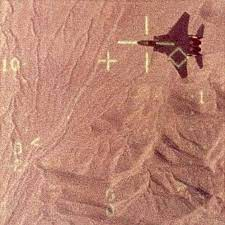
The gun is dead handy. It is a very effective weapon so long as you can use onboard sensors, aiming symbology, skill and luck to get your bullets into the same bit of sky as an enemy. There is a myth, or at least a very clear but erroneous picture in our minds of guns kills being scored from the rear hemisphere. Of course they are and of course that is common in training. Why? Because training rules prevent you from executing a head sector shot for reasons of collision risk and because ‘slashing’ guns kills are hard to validate on tape. A kill is a kill.

Every head sector pass is a guns kill begging to be taken. Invariably in training we will brief something along the lines of ‘Take pre-merge shots but only post merge shots to count’. This is due to the need to get into the training but in so doing we are making things significantly artificial as a good game’s a fast game and if someone’s trying to kill you then removing them sharpish is a great idea. Removing them before the fight’s even got going is a brilliant idea. I’d dearly like to engage in Basic Fighter Manoeuvres but not quite as much as I’d like to gun you in the face. The same is true of the slashing or waiting guns shot.

This involves thinking or suspecting that the enemy is going to fly through your HUD and firing with the correct amount of anticipation such that they and your deadly shot string arrive at the same time. As above…it may only take one.
7. Medium range weapons ‘Bring a cricket bat to a boxing match’

1 v 1 combat can obviously be practiced at any range you want – it just gets a little more fruity as the range decreases. This means fights can be made to fall into two buckets – beyond and within visual range. Our vision of 1 v 1 tends to be within visual range. This division is straight forward but has a number of draw backs as rules and exceptions appear neatly stacked. For example: If I know exactly where an enemy aircraft is because I can see them with my own eyes but we have yet to manoeuvre aggressively in relation to each other – has anything changed spectacularly from a second ago when I knew exactly where he was because my radar was kind enough to tell me? No. Obvs. Just because I am manoeuvring visually with an opponent does that mean that my medium range weaponry is useless? No, of course not. Some medium range weapons are truly fearsome in the visual arena and actually (think about it) have more energy than their shorter range cousins so may turn out to be the weapon of choice. It is more than possible that your medium to long range weapon is useless in a short range fight because no-one told the designer that you’d like it to work there…or the designer took the presence of the short range weapon as an excuse to over look that part of the envelope. It’s worth checking. Long and the short of it (see what I did there) it’s worth checking because your medium range weapon might well be the weapon of choice.
6. Flares work ‘Who flares wins?’
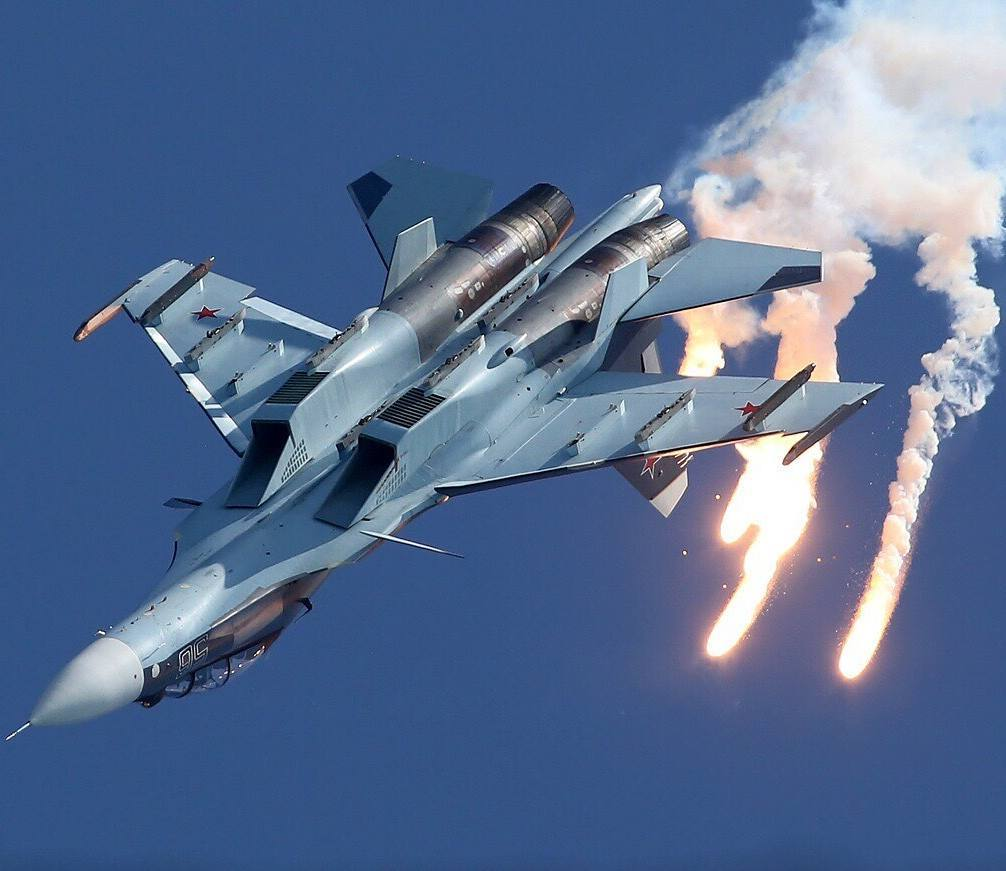
Yes of course they do. Sometimes. Do they work all of the time? No, they are clever but so are seeker heads. RF countermeasures work as well. Sometimes. They may even accidentally cause a weapon to detect a target that isn’t there and prematurely detonate. But that’s a bit of an outlier. I’m sure that most readers of this would understand that Infra Red Countermeasures don’t work at all against guns and RF guided weapons. I speak as someone who deployed IR Counter Measures against a Surface-to-Air threat that I knew was a visually aimed gun…but doing nothing felt weird. Doing something, as it turned out, felt stupid. I never really got it straight in my own mind whether or not to use counter measures pre merge – on the grounds that in my small and camouflaged aircraft, not moving relative to the enemy – I would also be unleashing dazzlingly bright magnesium. As a wise USAF head said to me one day ‘Better to be seen than be dead’. That’s true, but it’s also true that if you’re not seen they may find it harder to kill you. The counter-counter argument is that weapons are so damn fast these days that holding onto your flares until you see a launch may produce sub-optimal results. Countermeasures may work. It’s not guaranteed and one thing we can all agree on is that they will definitely run out! Shall we just leave it at that?
5. Opinions ‘Zero G contract killers’
I wanted to put this first, but thought better of it as you may give up at this point and at least you’ve read half the article. Your opinion doesn’t matter. Neither does mine so don’t get upset. What matters is the science, the context and the pilot’s ability. Too many people feel the need, or exercise the right, to talk about 1 v 1 combat without knowing what excess power is, what instantaneous or sustained turning rates are, what the actually weapon engagement zone of a specific weapon is or what sensors the platform can use to throw what shots. We’re back in that silly part of air-to-air top trumps and assignment of fighter capability based purely on what somebody said at an airshow. My brother went to a wedding once. Just about as relevant to the conversation as most opinions. Opinions need to be based upon facts. Facts to which one has actually applied conscious thought and refined with experience. Then you get an opinion. And it may still be bow-lacks.
4. It’s academic ‘If LERX could kill’
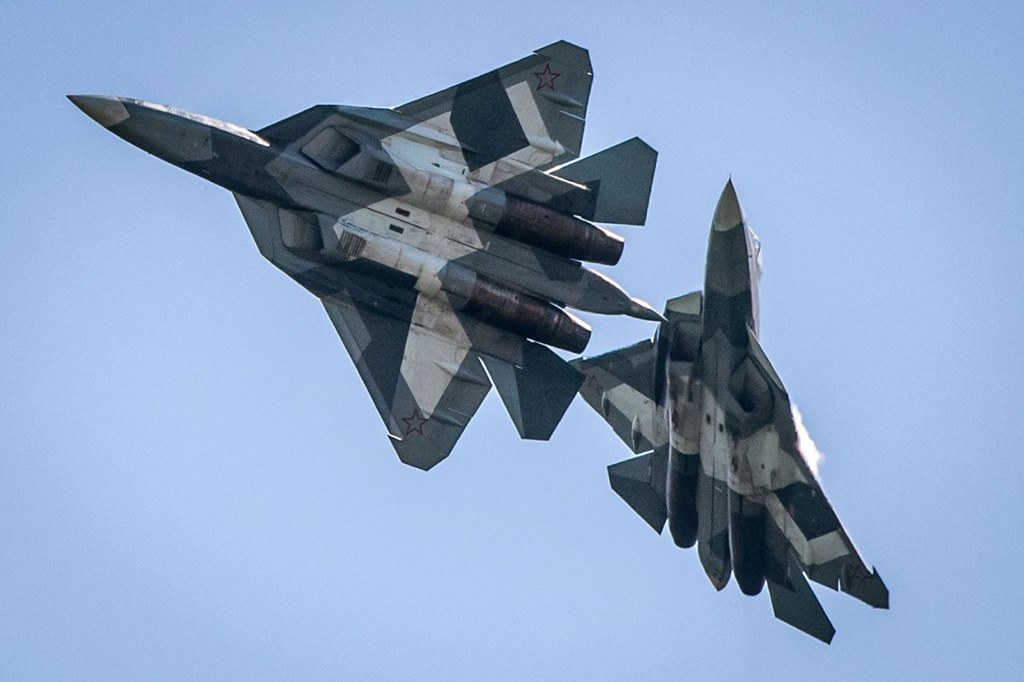
It won’t be. I was speaking to a wonderful senior officer from the USAF the other day and he co-located the nail and the hammer’s head very well. We agreed that despite the various air fleets of the free world spending years airborne and billions of pounds of aviation fuel in training – when the fight comes, it’s not going to look like an academic set up. We’re not going to charge at each other from doctrinal ranges. 1 v 1 is highly, vanishingly, unlikely to occur from being in parallel fuselages, at an agreed height and speed, confirming that both aircraft are ‘Tally’ before executing an outward and then inbound turn. Simply never going to happen. The reason we do it is the opposite. We train and train and train because when 1 v 1 happens it will be ad hoc, no notice, unscripted, unusual and fleeting. We need to be able to cope with that and the best way to do so is to give the young warriors of the free world every single opportunity to see just about every sight picture there is – so that when we do actually get into a 1 v 1 they fight and win. Quickly. By killing their opponent. If you ever hear anyone start a sentence comparing jets with the words ‘Well in an academic set up…’ feel free to get on with your pint.
3. It’s uncomplicated ‘Everything Everywhere All at Once’
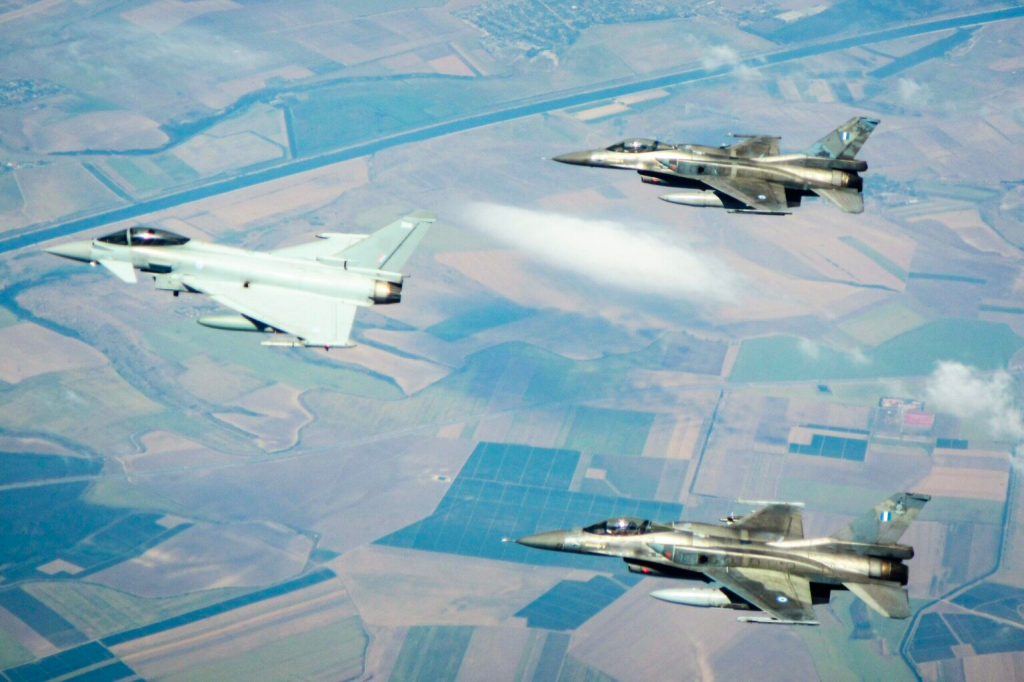
By this I mean that there is a myth that one can separate 1 v 1 combat from everything else that’s going on. Air Combat is necessarily complex in itself. It’s complicated by everything else. Even if there were no other fighters knocking around, or SAMs playing you’d still have to think about distance from home plate, the weather and other factors. No real point winning the fight and crashing on the way home for lack of fuel. Actually that would be a really good way of getting a Martin-Baker tie and ensuring that you were wined and dined by the weapon manufacturer for ever. This point also talks to the environmentals that no aircraft designer can really account for. From a visual perspective what is the effect on both aircraft of having cloud around. Does it seduce IR weapons? Can it mask a fighter for a critical second? How about looking down over farmland, would that suit a particular camouflage scheme. Is it better to be up in the crystal clear blue stuff or down in the industrial haze? It’ll all depend on your system, proficiency and sometimes just a preference. It may sometimes be similar, but it’ll always be different. We’ve all been in situations where we simply cannot see the other aircraft despite knowing exactly where it is – and we’ve all had the reverse, the lucky spot on a canopy glint. We’ve all tried to run for home and been shot. We’ve all shot a runner. At least one USAF kill in GW1 was down to the enemy fighter flying themselves into the ground. They all count.
2. It’s protracted ‘Time ain’t on your sidestick’
I actually fell out with a USN buddy over this. Not in a fisticuff sort of way but rather a fundamental belief sort of way. This hero, and he was a hero, believed that 1 v 1 combat was a continuum in which one flowed from one manoeuvre into the next. I was very much of the mindset that I would do anything I could to get the first shot off even if that left me poorly placed for a follow on encounter. My rationale was that there wouldn’t be one.
- You need to get the nose on ‘HOBS choice’
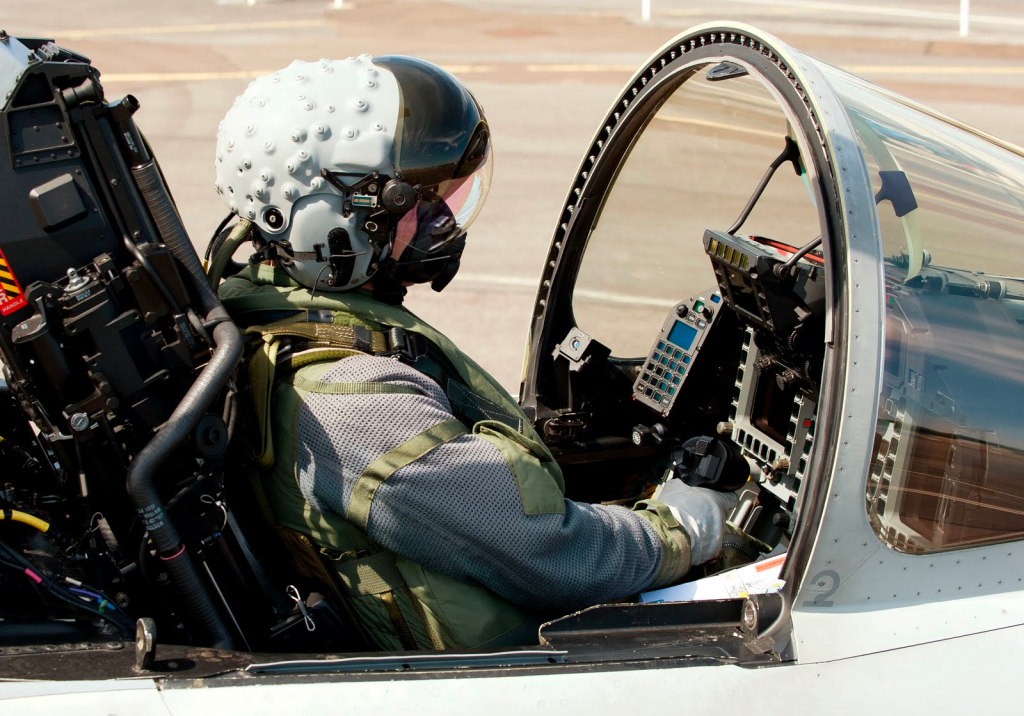
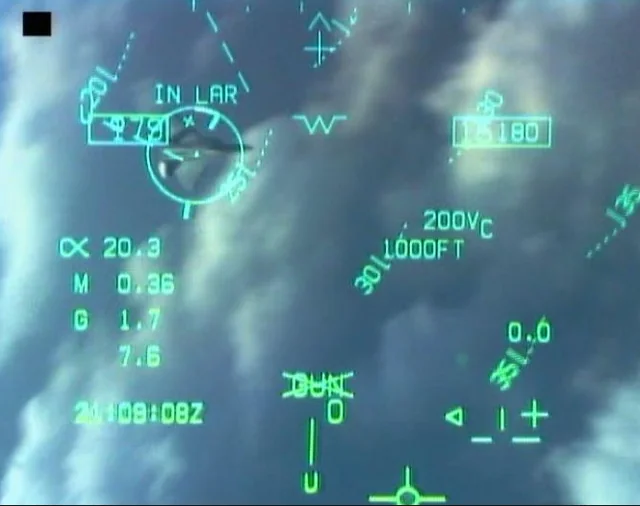
 Nope. Not anymore. Not for a long time. Helmet mounted displays changed the game a long time ago. Early versions were fielded by the South African Air Force and then on aircraft such as the MiG-29. We all got incredibly bunched about the threat’s ability to throw an off boresight shot at us, before we remembered that we could throw one a similar angle off boresight (away from straight forward) using the radar. Then we got bunched again because working the HOTAS and watching a screen whilst manoeuvring hard isn’t quite the same ‘User Experience’ as some form of evil eye attached to your bone dome. The fact is that helmet mounted cue-ing systems changed the game and in many ways wrote a cheque that High Off Boresight (HOBS) weapons cashed. Why strive to get into the Control Zone (that bit of sky behind the enemy from which he cannot eject you kinematically) when you can simply look at the enemy and unleash a AIM-9X or other similar weapon? These weapons are extraordinary. Some can be launched over 90 degrees off boresight. Just picture what that looks like as compared to the WW1 experience of getting to height, finding the enemy and starting to circle. It looks like anything in your bit of airspace to be shot. We no longer need to stop at HMS either. How about targeting an aircraft that you can’t see other than as a track being passed to you via datalink? Can you imagine how annoying it would be to be in danger of winning a 1 v 1 only to soak up a shot that was cue-ed using a data link track from a third fighter?

But let’s join up 1 and 10 for fun. Your favourite aircraft may be amazing. But if the other person has got a slightly better electric hat…they may well come out on top. (So to speak).
Buy The Hush-Kit Book of Warplanes here, and support Volume 2 here.