
Among the most dangerous flying roles in US 21st Century combat operations was piloting the OH-58D Kiowa armed reconnaissance helicopter. We spoke to former US Army OH-58D pilot Dan Berriochoa to find out more.

When I first joined the Army back in 2000, the OH-58D had two different roles. The first was that of armed reconnaissance, the traditional cavalry role. The second role was light attack. I was never in a light attack unit, although we did practice certain attack tactics with hellfire missiles.
The cavalry mission was by far my favourite, and it consisted of the usual reconnaissance and security tasks. My first unit was a division cavalry unit, 1-10 Cavalry, 4th Infantry Division. We had three troops of M-1 Abrams and Bradley Fighting Vehicles and two troops of the OH-58D, totalling 16 aircraft. There were also a few support troops in there as well. We would work a lot with the ground side, operating over the shoulder for the tanks and Bradleys. Typicall,y we would scout out routes, look for river fording sites, recon bridges, landing zones/pick up zones for air assaults and conduct the doctrinal screen, guard, and cover missions (although a Cavalry squadron couldn’t conduct the doctrinal cover mission).Â
Now I would say this all changed post-invasion of Iraq. As the battlefield transitioned from linear to asymmetric doctrinal roles for the OH-58D changed. We transitioned to more of a security role, providing convoy security and on-call fire support for the troops on the ground. We still did our reconnaissance, but it was no longer focused on probing enemy front lines.
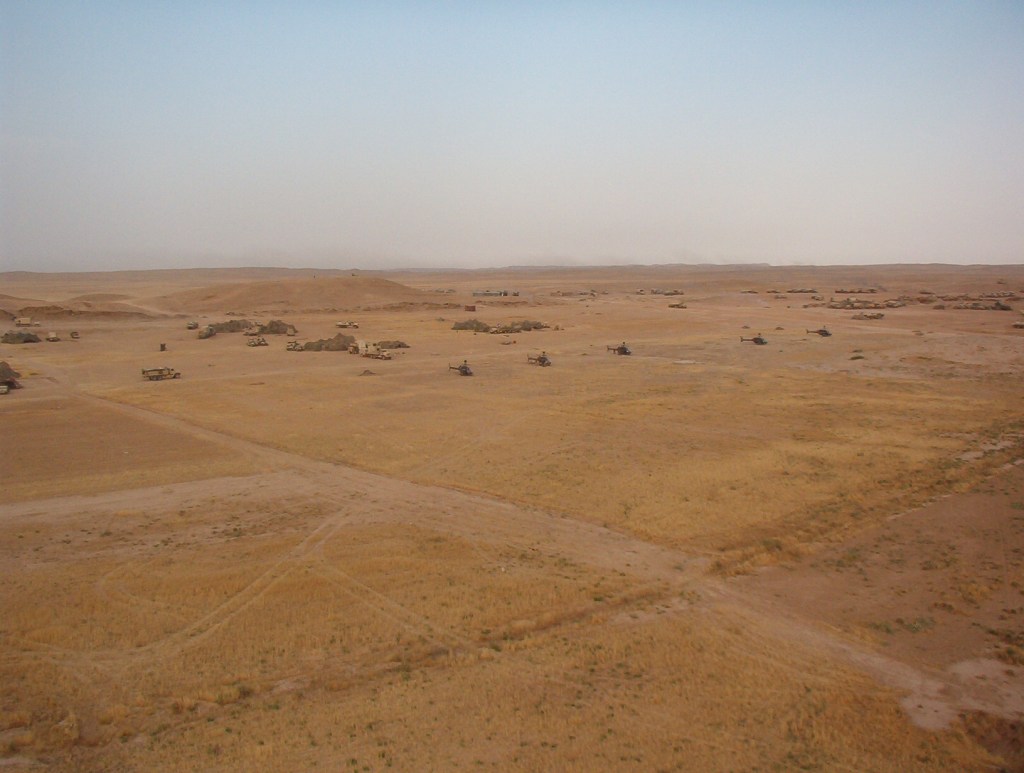
Afghanistan was primarily security-focused. We flew in support of the ground force commander and operated over the top of the infantry or whoever was on the ground. It was still doctrinal in the sense that we were there to provide reaction time and manoeuvre space to the ground forces and allow them the freedom to manoeuvre, but it was no longer at the brigade or division level; it was at the platoon/company level. We were there for on-call close combat attacks. It became a knife fight.
The 58D had agility and manoeuvrability. If you thought it, the aircraft was doing it. THIS EXCITING STORY CONTINUES ON OUR NEW SITE HERE.

