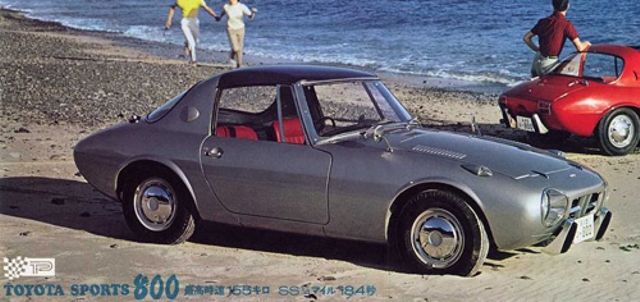
The Japanese have taken many Western concepts and improved on them. Trains, home electronics, and vending machines for used underwear are just some of the items that spring to mind. [1] Popular opinion in the author’s twitter feed is that this includes raids on harbours by carrier air power. The logical line being drawn that the attack by the Fleet Air Arm on Taranto on 11 November 1940 inspired the 6 December 1941 attack on Pearl Harbor by the Imperial Japanese Navy Air Service.
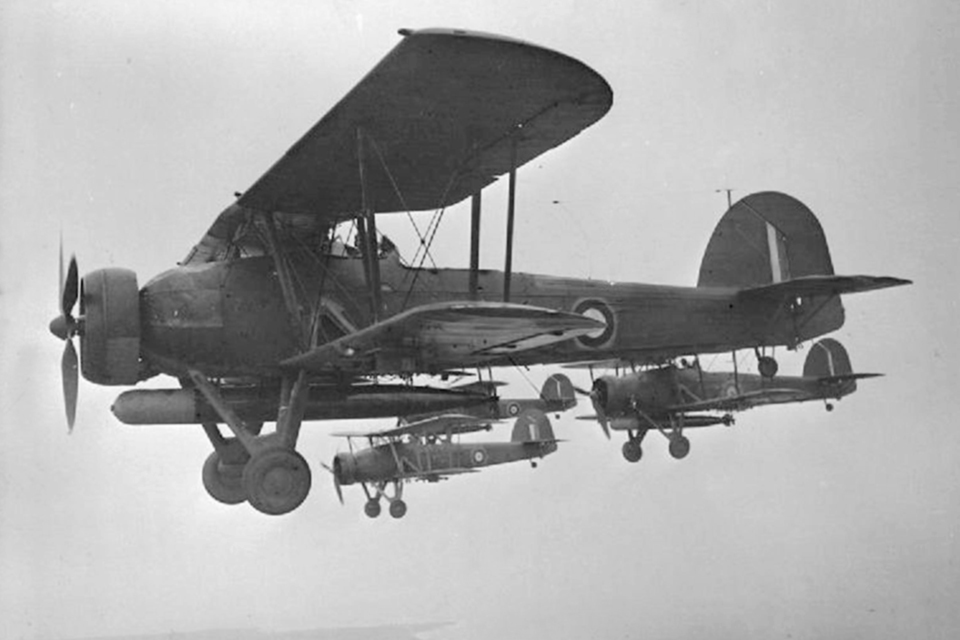
The Royal Navy had been considering how to attack a fleet in harbour for the two decades preceding the Second World War, after the frustrating experience of only having one go at the German High Seas Fleet in the First when they refused to come out for a second round after the Battle of Jutland. They’d also carried out the first carrier-based air raid on 19 July 1918 on the airship base at Tondern. [2] Putting the two ideas together was in fact on the to-do list when the armistice got in the way.

The Taranto raid was no spur of the moment thing, planning for an attack had started in 1935 onboard HMS Glorious during the Abyssinian Crisis and was updated and rehearsed in Malta during the Munich Crisis of 1938. RN intelligence had established the depth of the nets surrounding the Italian battleships and it was determined that they’d allow a torpedo to pass underneath. The trick would be stopping them hitting the 40’ deep seabed, achieved by attaching a wire to the front. They wouldn’t hit the hull but handily the British had developed the Duplex torpedo pistol that was set off by the magnetic influence of the ship passing overhead. Or not, which is helpful if you’re HMS Sheffield being attacked by Swordfish that have mistaken you for Bismarck. In the week preceding the raid multiple convoys were routed across the Mediterranean while the Fulmars from Ark Royal and Illustrious ensured no Italian aircraft observed the latter’s task group approaching Taranto. [3] Consequently, the raid came as a complete surprise to the Italians who’d thought they knew where all the RN’s ships were, and that they’d see any naval attack coming. Despite this contrary to stereotypes of Italian martial prowess their anti-aircraft guns were manned and managed to down two of the 21 attackers, as close as you can get to the 10% losses predicted in 1938. In exchange the RN had put 3 battleships on the harbour bottom, although as it was fairly shallow two were back in service within a year, the third still being worked on when Italy surrendered in 1943. The fleet was also moved to Naples to make any further attacks more challenging. Although Taranto briefly altered the balance of power in the Mediterranean and gave the RN more freedom of manoeuvre it would still be contested until 1943, being the biggest navy in the world only gets you so far when you’re also the busiest.
Pearl Harbor clearly had a lot of similarities, a hidden approach to ensure the attack was a surprise, torpedoes used in waters previously thought to be too shallow, [4] and most of the sunk ships re-entering the war. Another similarity was the gestation period of the idea. War games at the Japanese Navy War College had modelled a carrier strike on Pearl Harbor in 1927, with a lecture on the subject by one Captain Yamamoto the next year. Fast forward to April 1940 and now Admiral Yamamoto was discussing a raid on Pearl Harbor with the Chief of Staff of the Combined Fleet. Which unless Yamamoto also had access to a time machine means it was impossible for him to have been inspired by Taranto as it hadn’t happened yet.
It is true Japanese naval officers had visited Italy in June of 1941 and one of the 83 topics they discussed with the Regina Marina was the raid on Taranto. [5] However, as the First Air Fleet under Captain Genda started detailed planning for attacking Pearl Harbor in April of that year even this would have provided limited value.
At best then Taranto may have given the IJN some encouragement that their plan could work, but the plan itself was an entirely Japanese concept. Like Kabuki theatre, or convincing Gaijin you can buy used underwear from a vending machine.
[1] The last isn’t a complete urban myth. Yes, yes I did research this. https://www.techinasia.com/japan-used-panty-vending-machines-fact-fiction
[2] Regrettably by this stage the RAF had been formed so were also involved although the majority of the personnel involved had previously been in the RNAS.
[3] This also disproves myth 5b that the RN didn’t use deck parks until operating with the USN in the Pacific. With Eagle out of action Illustrious had to use one to carry the extra Swordfish along with her usual compliment of aircraft. As did any of her class that carried Sea Hurricanes, because making folding wings is hard.
[4] Unless you were the US observer onboard Illustrious during Taranto who spent a frustrating 13 months trying to convince the USN it was possible. Still at least he got to say ‘I told you so’.
[5] 83 is a precise number but the Italians appear to have kept notes. https://www.usni.org/magazines/naval-history-magazine/2016/december/taranto-pearl-harbor-connection
Bing Chandler is a former Lynx Observer and current Wildcat Air Safety Officer. If you want a Sea Vixen t-shirt he can fix you up.