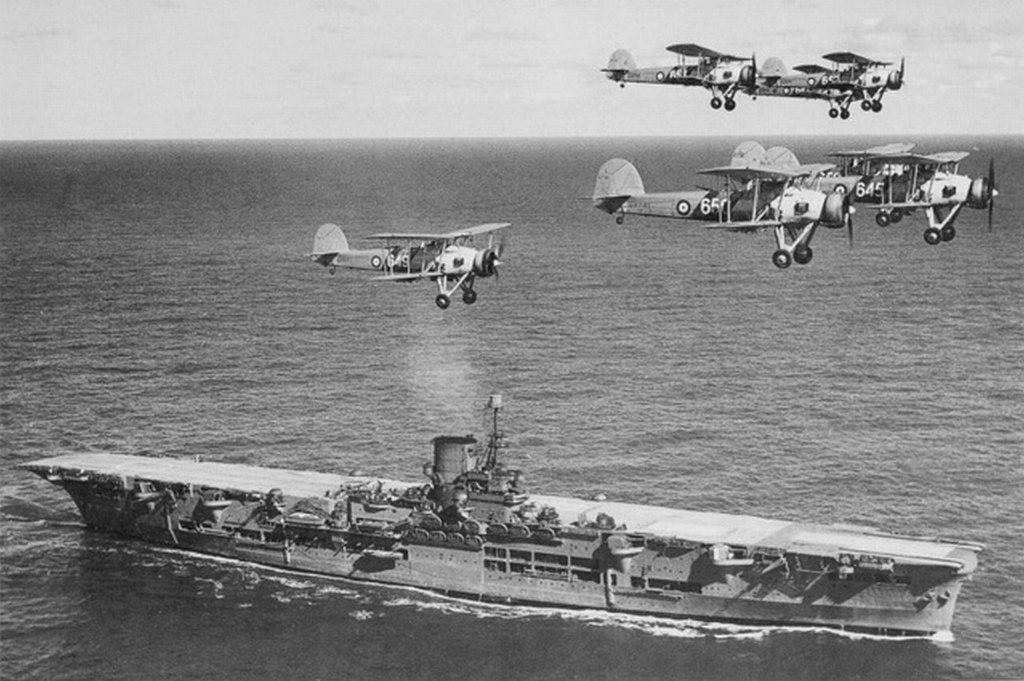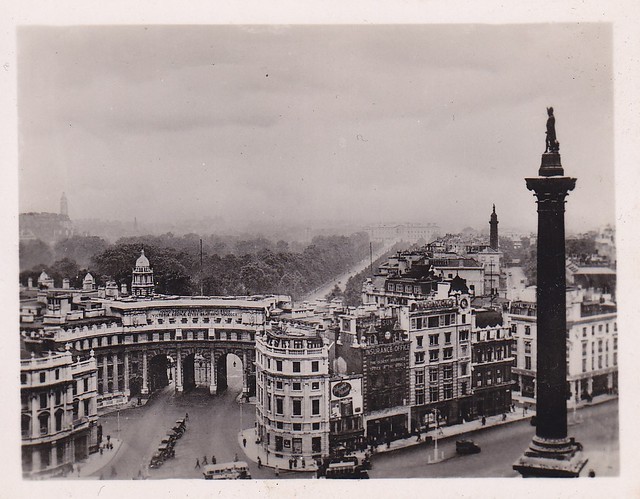
It’s popular to say the Admiralty had no interest in aviation between the wars, being obsessed by battle ships. Which to be fair do look more impressive with their serried ranks of 14†guns. [10] In a recent essay in The Times noted university and army drop-out Max Hastings observed that ‘By, say, 1942 the admirals who before the Second World War had gone big on battleships, light on aircraft carriers, bitterly regretted this.’.

The only problem with this is that, much like the rest of Hastings’ essay, it’s bobbins. In 1939 the Royal Navy had six aircraft carriers in service and one in reserve, which compared well to the US and Japanese navies who both had five in service. For those under the delusion that Britain still had the biggest navy in the world at this point and so should have had more, alas the Washington and London naval treaties prevented this. These allowed the UK and USA to build to parity, while the Japanese could have 3/5ths the tonnage of either of those countries. Closer examination reveals that by 1930 the RN had used the most of their aircraft carrier tonnage allowance using 115 out of a possible 135 thousand tonnes for their five flat-tops. [11] The USN having used 76 thousand tonnes and the IJN 54 of their allowed 81 thousand tonnes. So, the only way the Royal Navy could have had more carriers was if they’d made them smaller, something the Japanese tried with the RyūjŠa carrier the weight of a modern destroyer but carrying 48 aircraft on two decks. Stability was problematic.

But what about future plans, presumably the stuffy old Admiralty were concentrating on assembling a battleship orgy now they had a small collection of carriers. Well not so much, the King George the Fifth class were being delivered but they were only replacing ships that had to be retired under the afore mentioned treaties. What they were building were six carriers of the Illustrious class which would almost exactly use up their treaty allowance minus the Ark Royal, Courageous, and Glorious. Oh, and an aviation depot ship that due to treaty limitations was definitely not an aircraft carrier. The flight deck being crucial to its role supporting a squadron of three fleet carriers and definitely not something that could be used for offensive operations. [12]
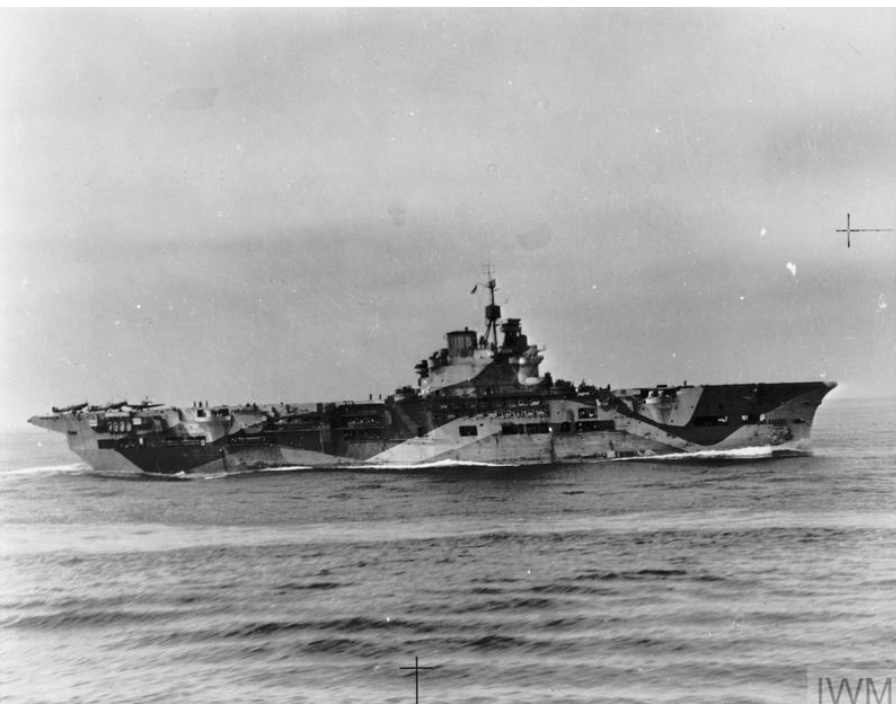
So, the Admiralty hadn’t just gone big on aircraft carriers, they’d gone bigger than they were really allowed to. That they didn’t go bigger once war was declared was purely down to shipyard capacity in the UK. This also led to the cancellation of any further battleships, some of which were already laid down. Only Vanguard eventually being built to use up some spare guns and placate Churchill who had a battleship fetish.
We sell fantastic high quality aviation-themed gifts here

It’s also worth pointing out the Admiralty had spent two decades trying to regain control of the Fleet Air Arm from the Air Ministry. Hardly the actions of an organisation with no interest in aviation. They’d even created the Observer branch to at least have some Naval officers with specialist aviation knowledge independent of the RAF.
All in all, the only way you can say the Admiralty had no interest in aviation prior to WW2 is if you’re completely oblivious to what happened between the wars. Which is fine for the man in the street but not the sort of misinformation a Fellow of the Royal Historical Society should be spreading.
[10] Size may vary by country and class.
[11] Jordon, John. Warships after Washington: The Development of the Five Major Fleets, 1922-1930, 2011. P 193
[12] Dr Alexander Clarke has an excellent YouTube video on this, even if he’s wrong about the Swordfish being rugged.
Bing Chandler is a former Lynx Observer and current Wildcat Air Safety Officer. If you want a Sea Vixen t-shirt he can fix you up.
This article is from the Hush-Kit Book of Warplanes. Preorder your copy today here.

From the cocaine, blood and flying scarves of World War One dogfighting to the dark arts of modern air combat, here is an enthralling ode to these brutally exciting killing machines.
The Hush-Kit Book of Warplanes is a beautifully designed, highly visual, collection of the best articles from the fascinating world of military aviation –hand-picked from the highly acclaimed Hush-kit online magazines (and mixed with a heavy punch of new exclusive material). It is packed with a feast of material, ranging from interviews with fighter pilots (including the English Electric Lightning, stealthy F-35B and Mach 3 MiG-25 ‘Foxbat’), to wicked satire, expert historical analysis, top 10s and all manner of things aeronautical, from the site described as:
“the thinking-man’s Top Gear… but for planesâ€.
The solid well-researched information about aeroplanes is brilliantly combined with an irreverent attitude and real insight into the dangerous romantic world of combat aircraft.
FEATURING
- Interviews with pilots of the F-14 Tomcat, Mirage, Typhoon, MiG-25, MiG-27, English Electric Lighting, Harrier, F-15, B-52 and many more.
- Engaging Top (and bottom) 10s including: Greatest fighter aircraft of World War II, Worst British aircraft, Worst Soviet aircraft and many more insanely specific ones.
- Expert analysis of weapons, tactics and technology.
- A look into art and culture’s love affair with the aeroplane.
- Bizarre moments in aviation history.
- Fascinating insights into exceptionally obscure warplanes.

The book will be a stunning object: an essential addition to the library of anyone with even a passing interest in the high-flying world of warplanes, and featuring first-rate photography and a wealth of new world-class illustrations.
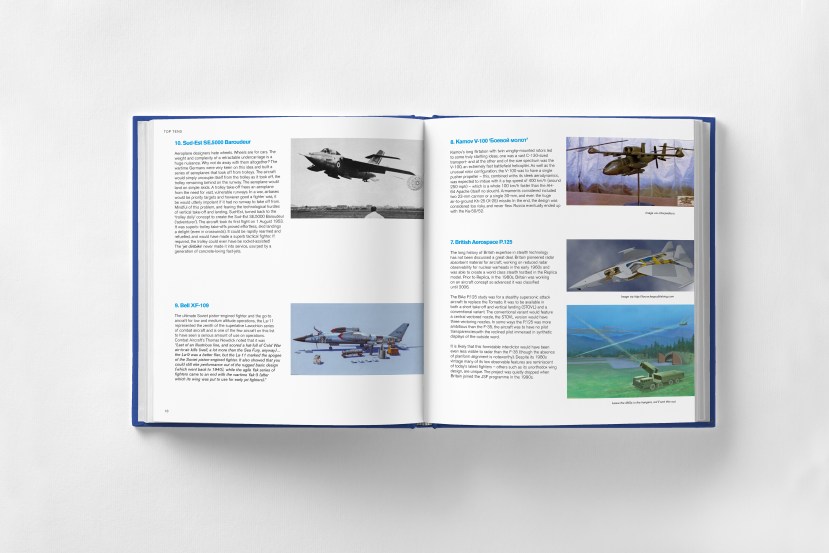


This book can only happen with your support. Preorder your copy today here.
Add discount code: ALMOSTAUGUST10 for a 10% discount on the Hush-Kit Book of Warplanes