
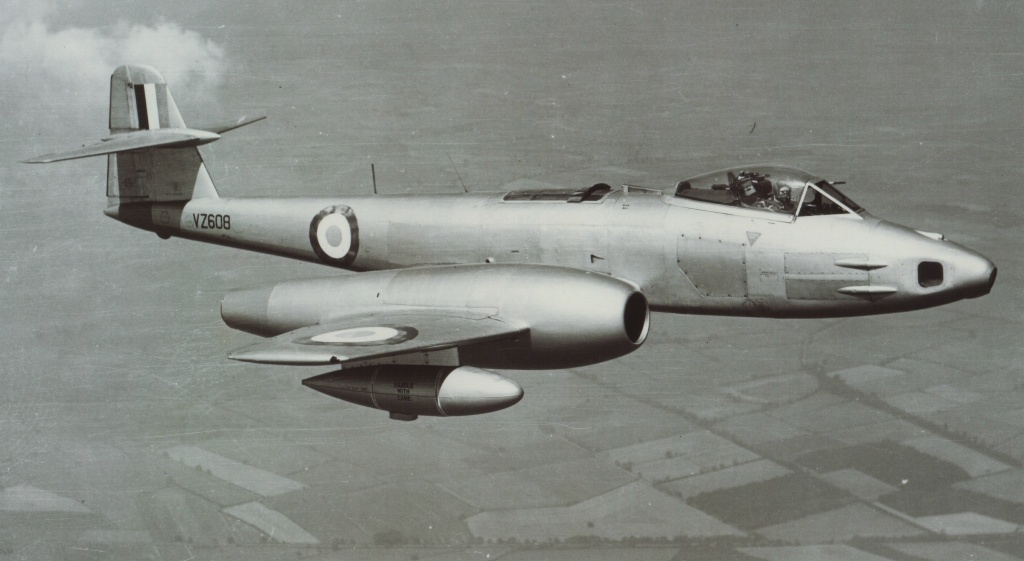
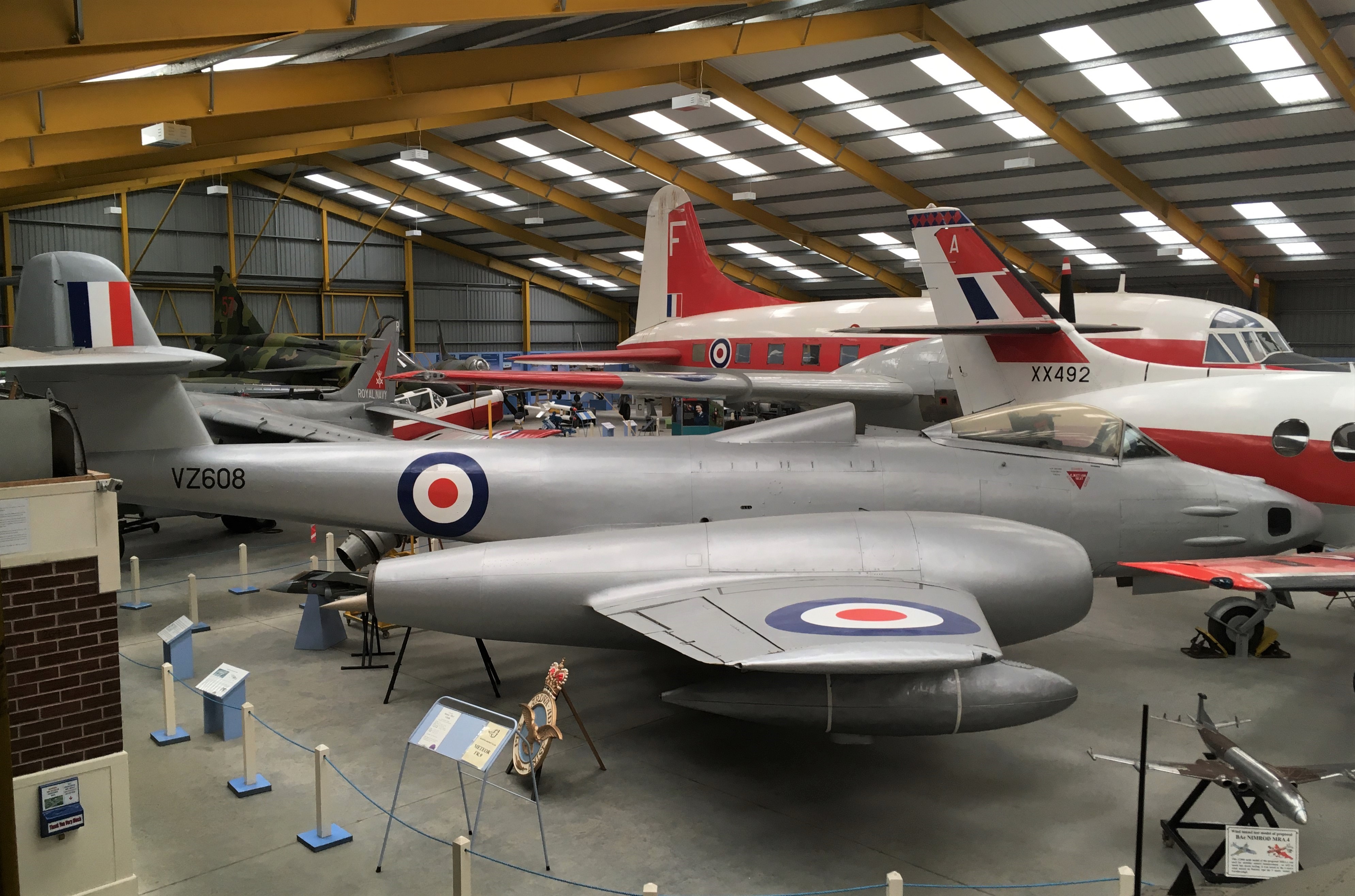
“I have always liked how Newark Air Museum [NAM] has acquired airframes associated with aircraft development and testing. My favourite aircraft in the collection that illustrates this policy is Gloster Meteor VZ608.
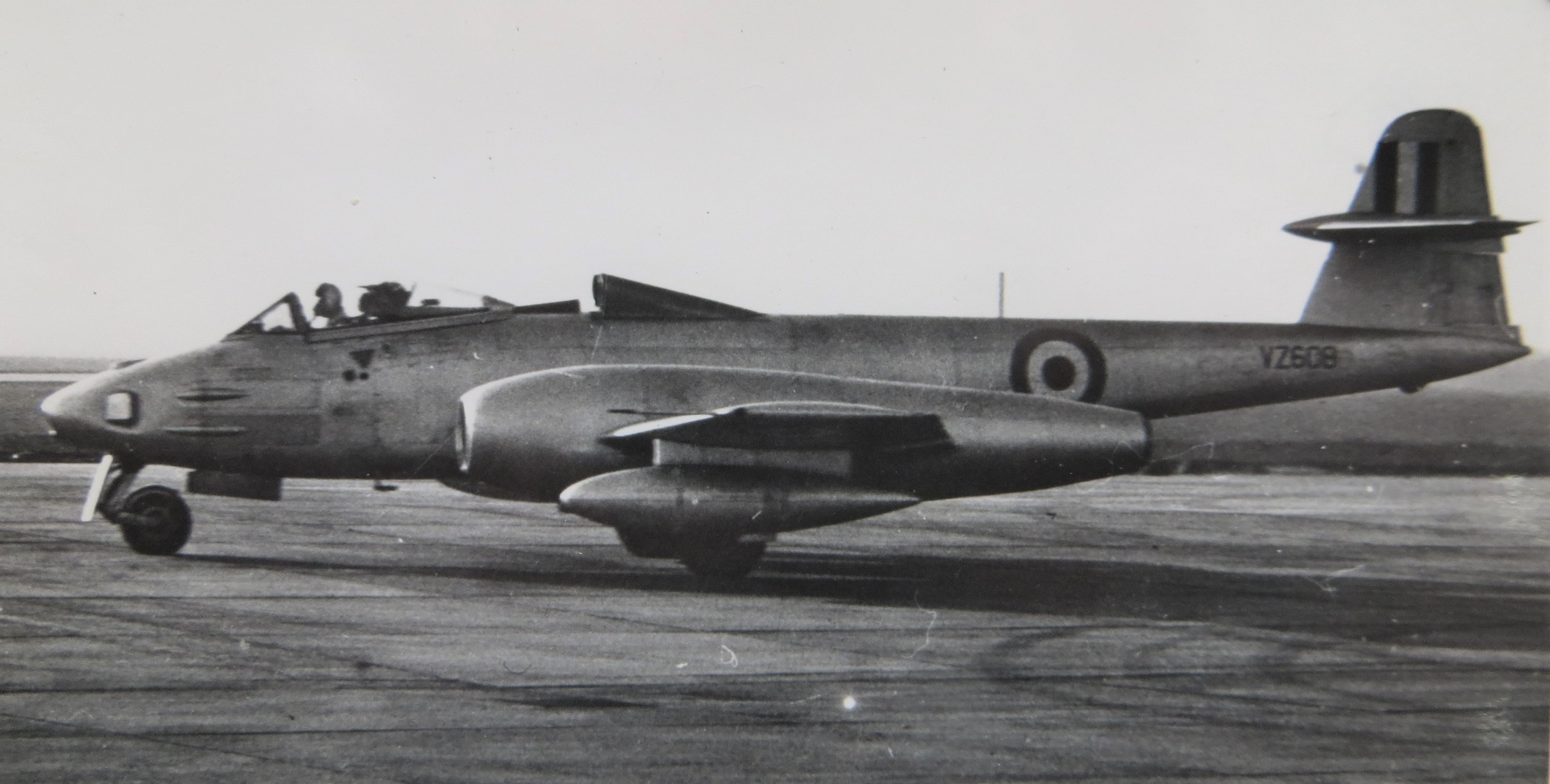
VZ608 was constructed as a standard FR.9 and saw squadron service with 208 Squadron, before being transferred to the Gloster Aircraft Company for conversion to testing duties.

In the early 1950s work was also underway at Hucknall on the V-TOL [Vertical Take Off and Landing] concept, using an experimental test-rig to investigate control and stability factors affecting V-TOL flight. Eventually this led to their designing the TMR [Thrust Measuring Rig], which affectionately became known as the ‘Flying Bedstead’. Two TMRs were constructed and these undertook a range of tethered and free flights whilst at Hucknall.
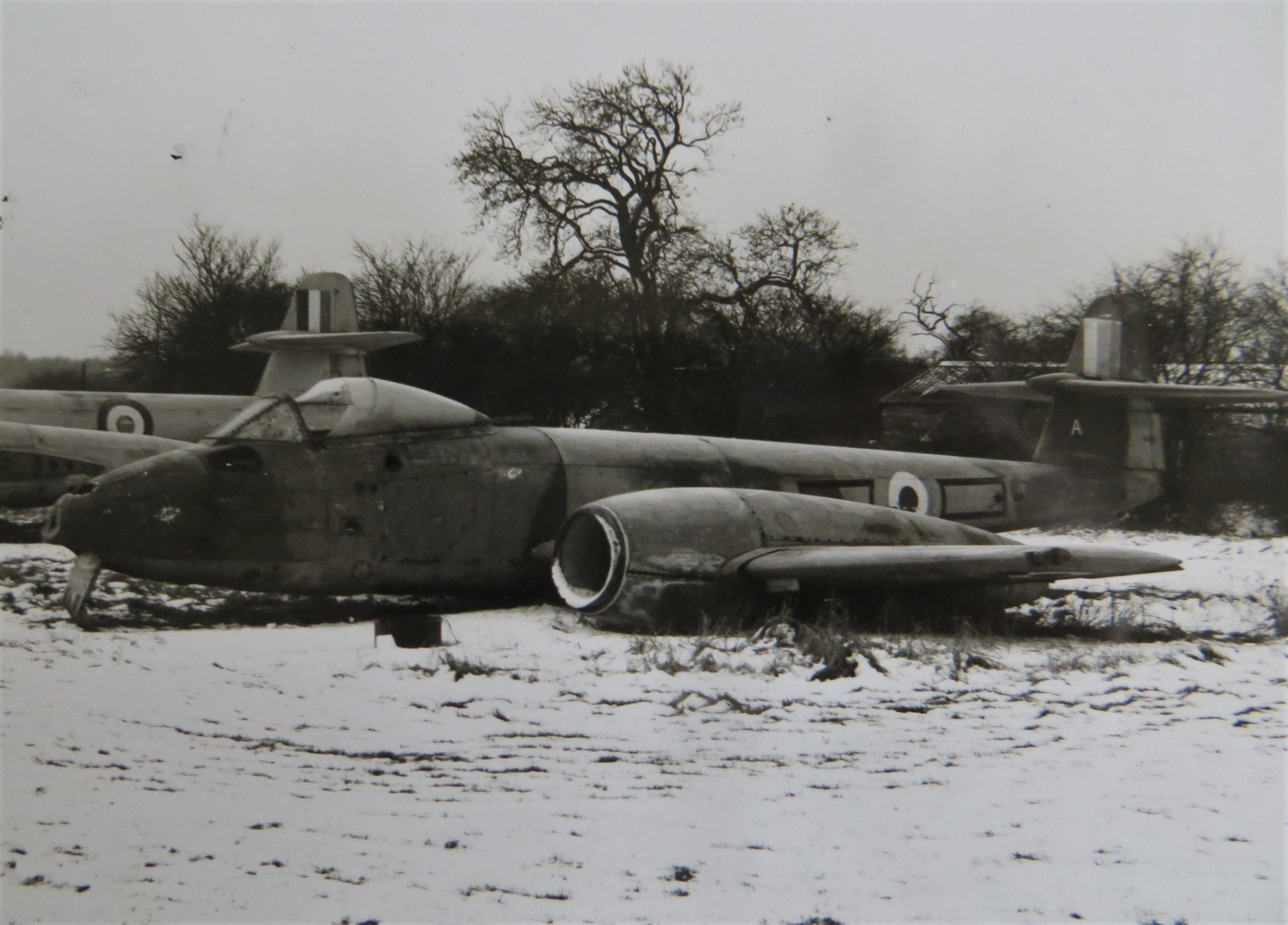
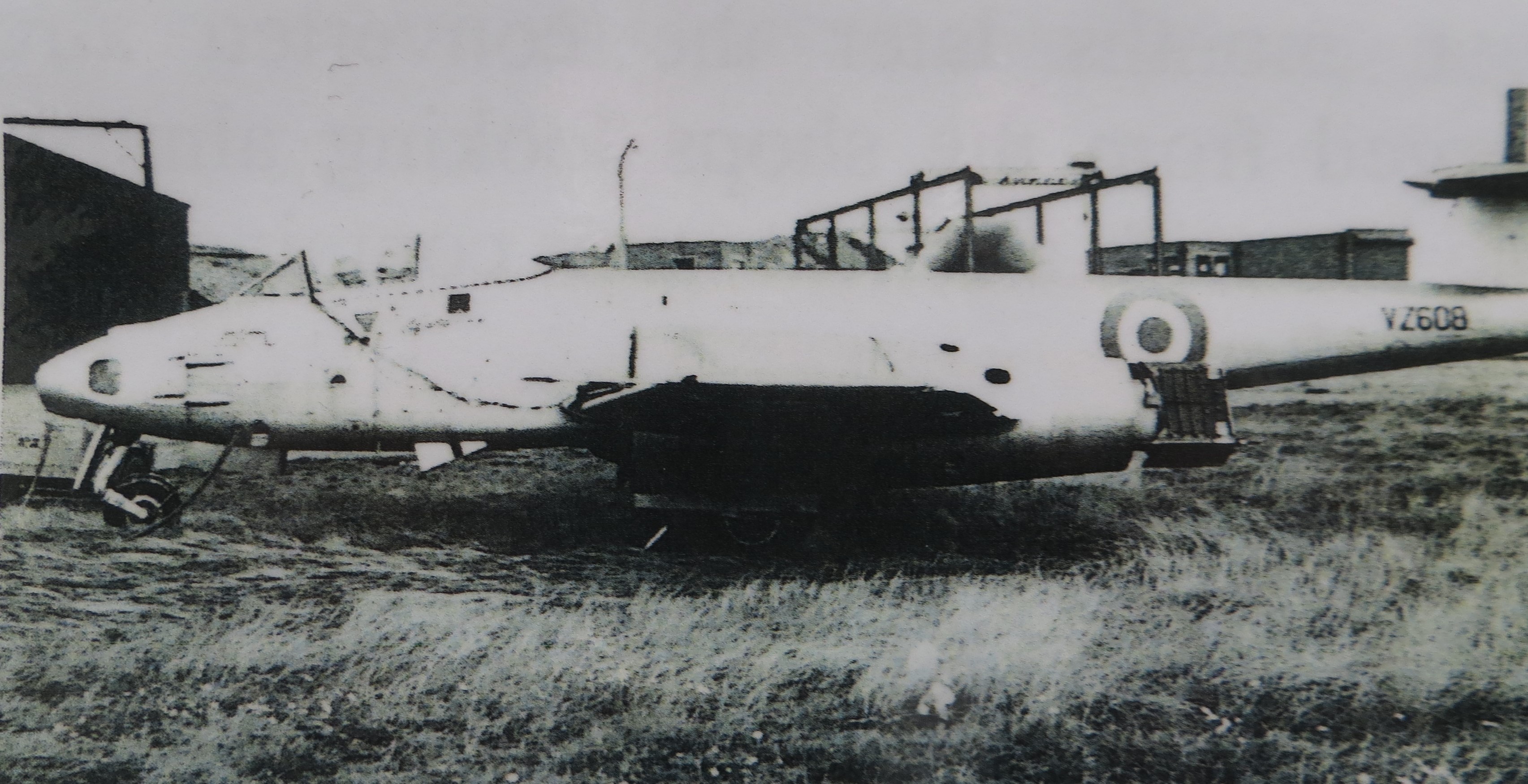
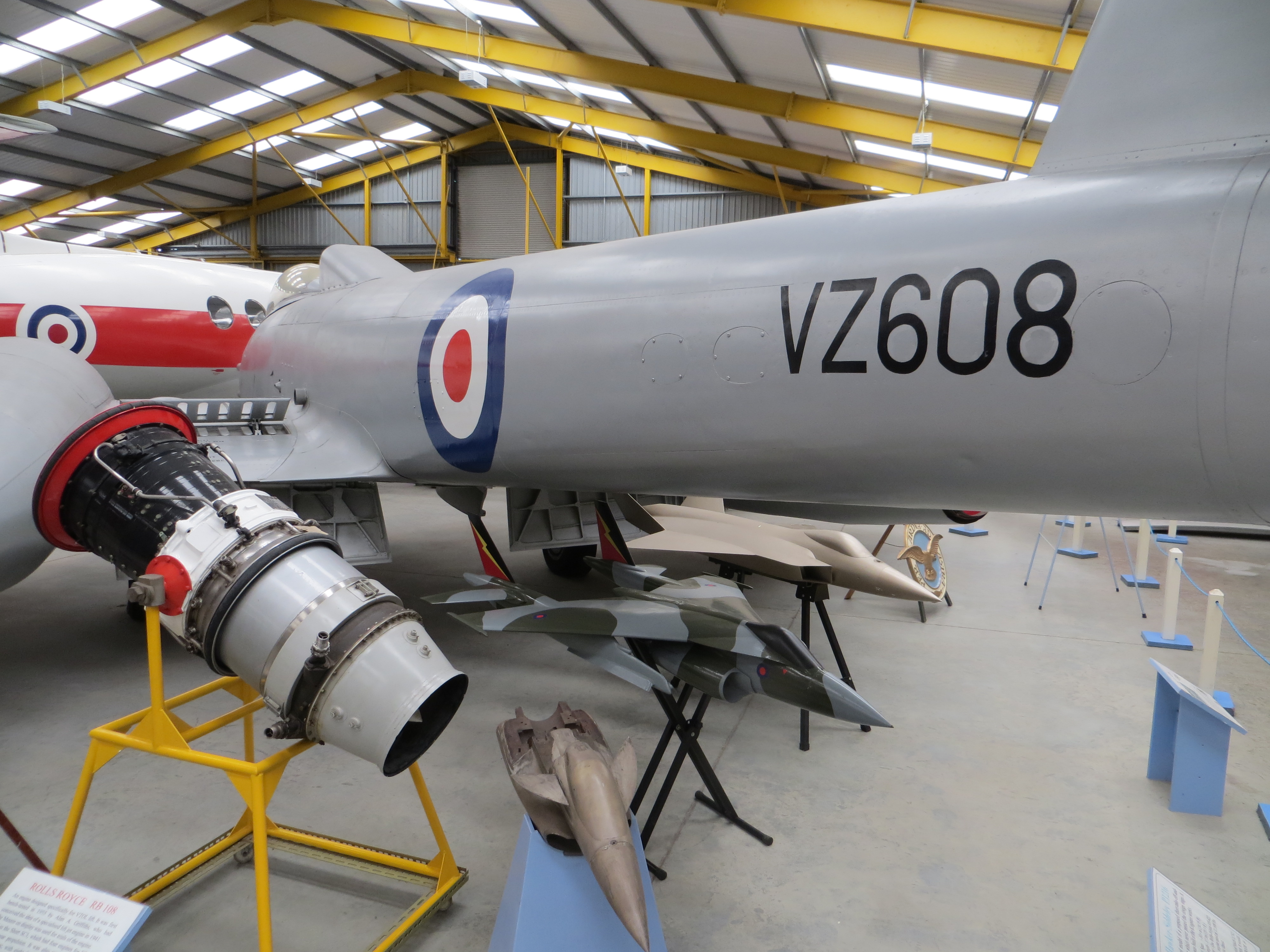
Rolls-Royce also ran a parallel development programme to the TMR, which saw the development of the RB.108 vertical lift engine for use in the Short SC.1 Research Aircraft, which had been developed by Short Brothers & Harland Limited in Queens Island, Belfast. At the time an advantage of the RB.108 design was that it was able to generate nearly 10 pounds of thrust per pound of engine weight, a significantly better performance that other existing engines.
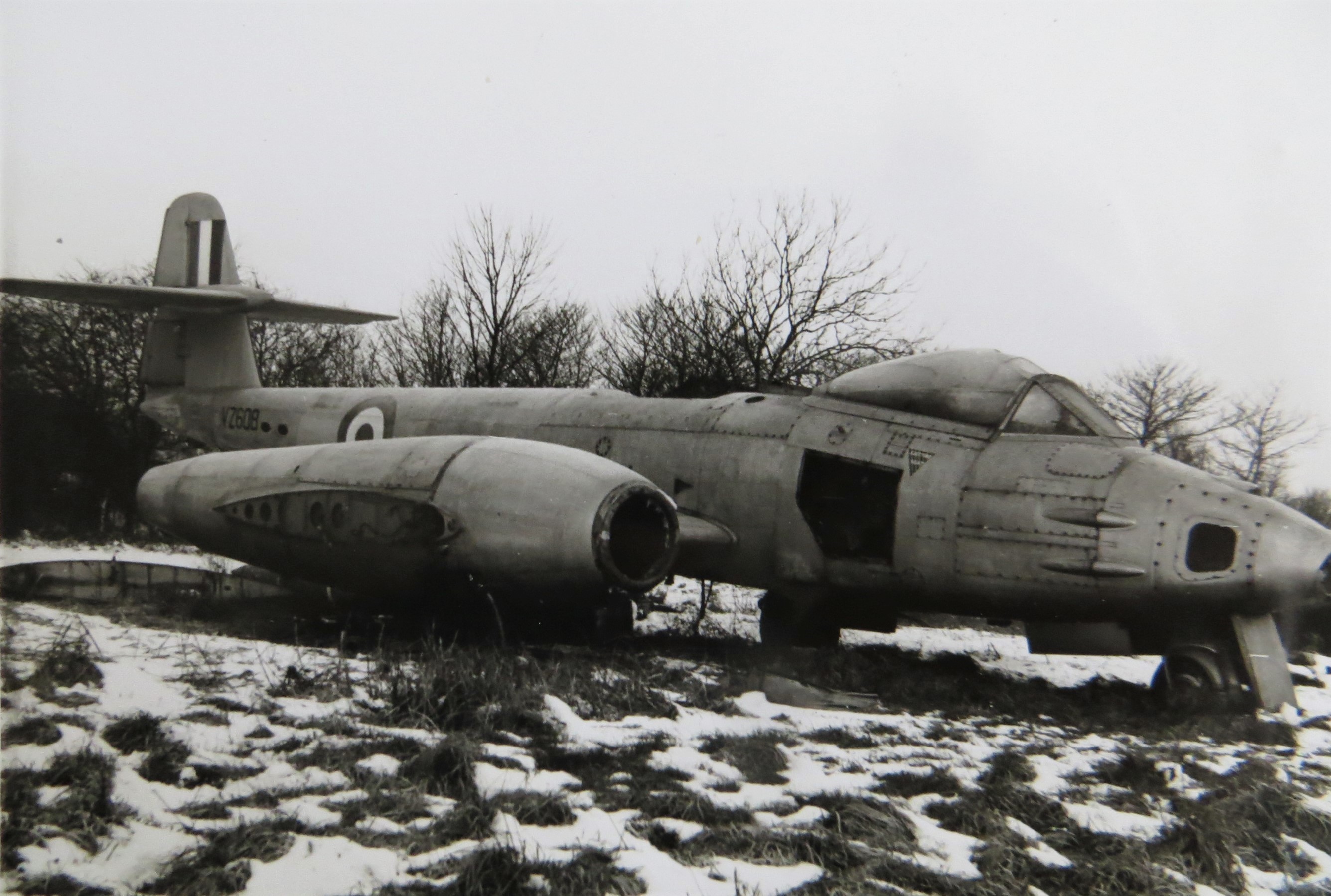


He continued, “The early engine, once lit and running in a low idle condition, had to be inched up to flight idle by a manually operated bleed valve. It also had no Acceleration Control Unit [ACU] which necessitated very careful throttle handling. Flight idling was at 14,000 rpm and top speed was 17,500 rpm. Later engines would automatically run up to flight idle after light up and the ACU would allow for extremely rapid throttle handling both up and down the range. I think the intake you have on VZ608 at the moment is the one used on the SC.1â€.


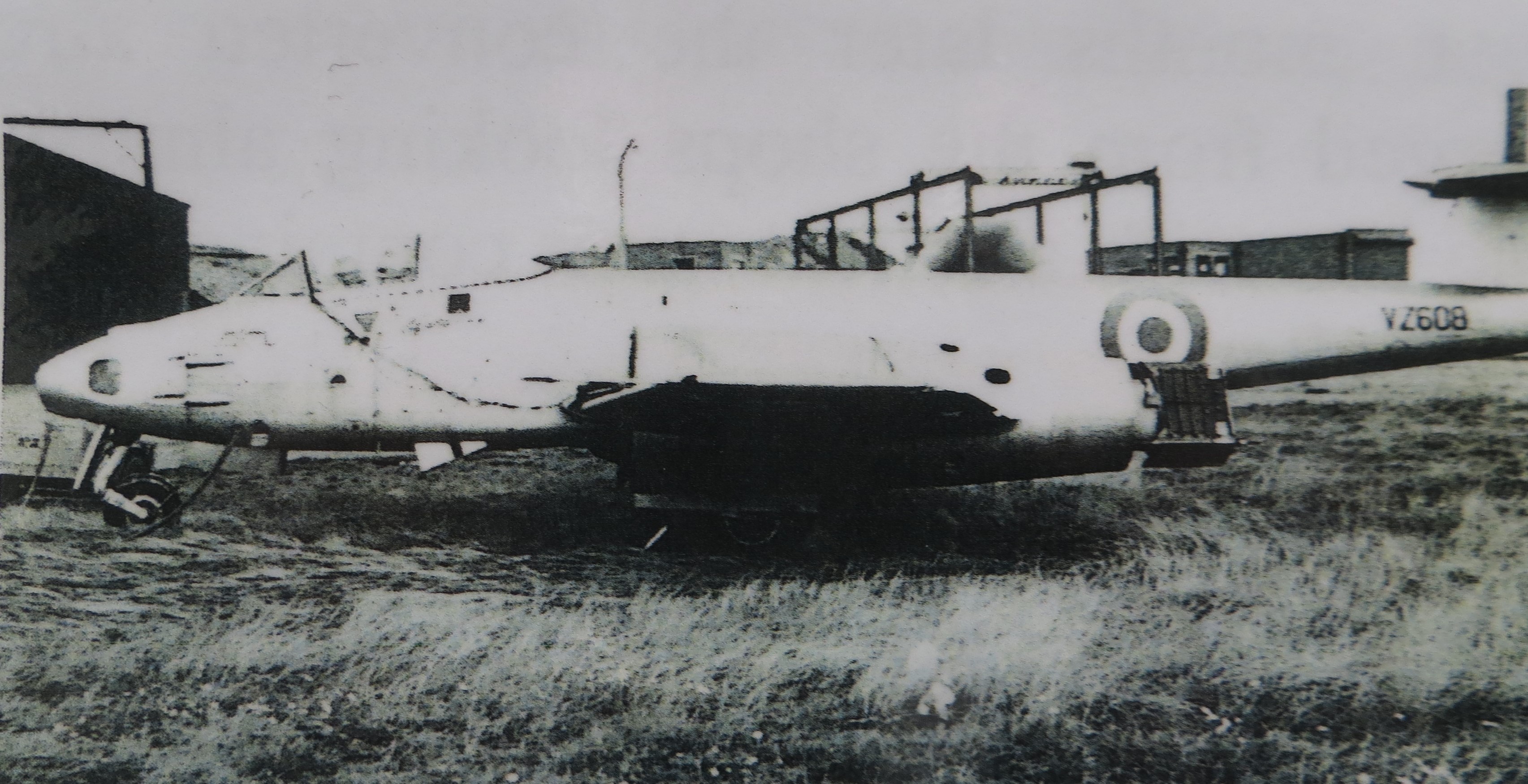
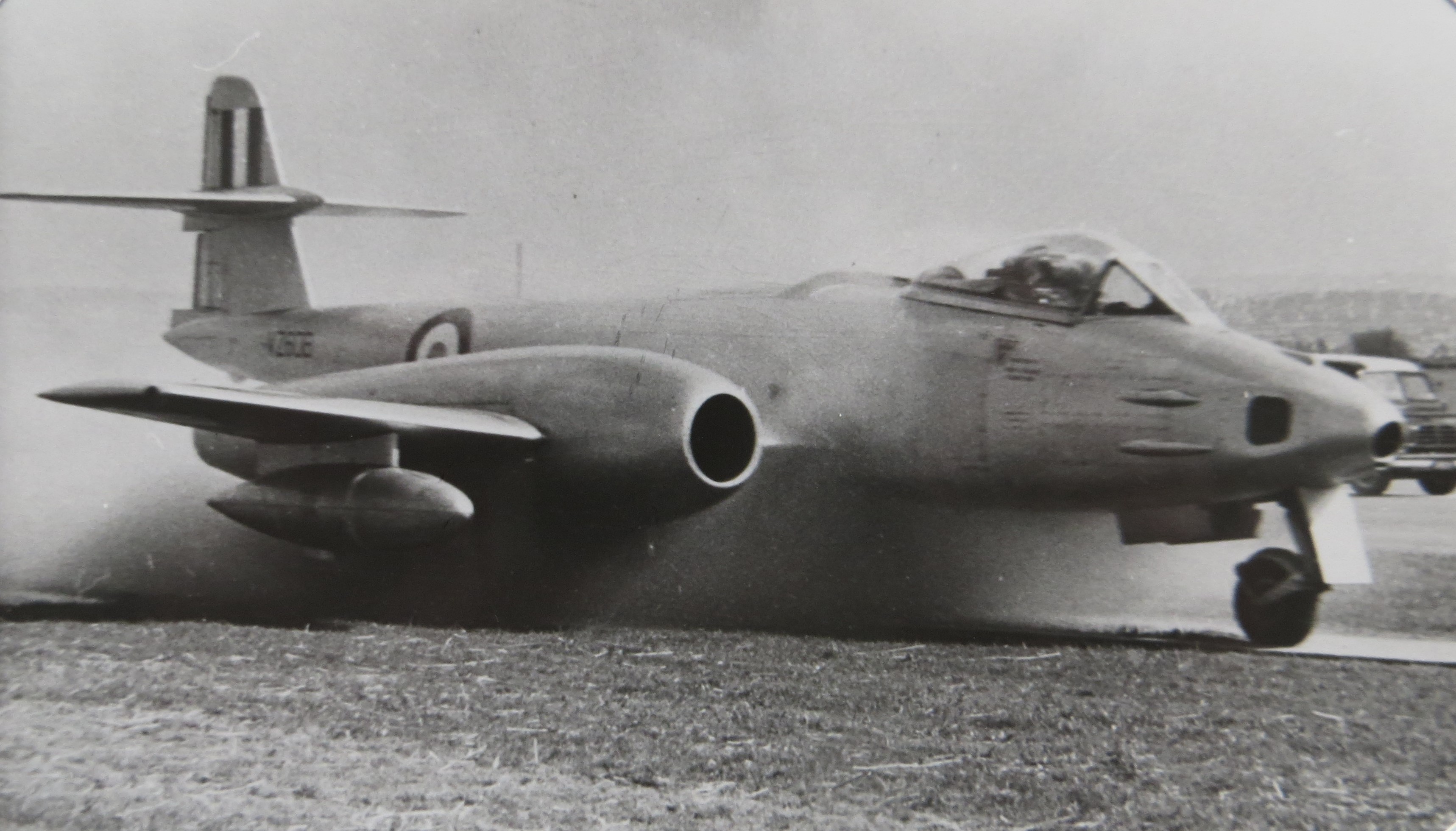
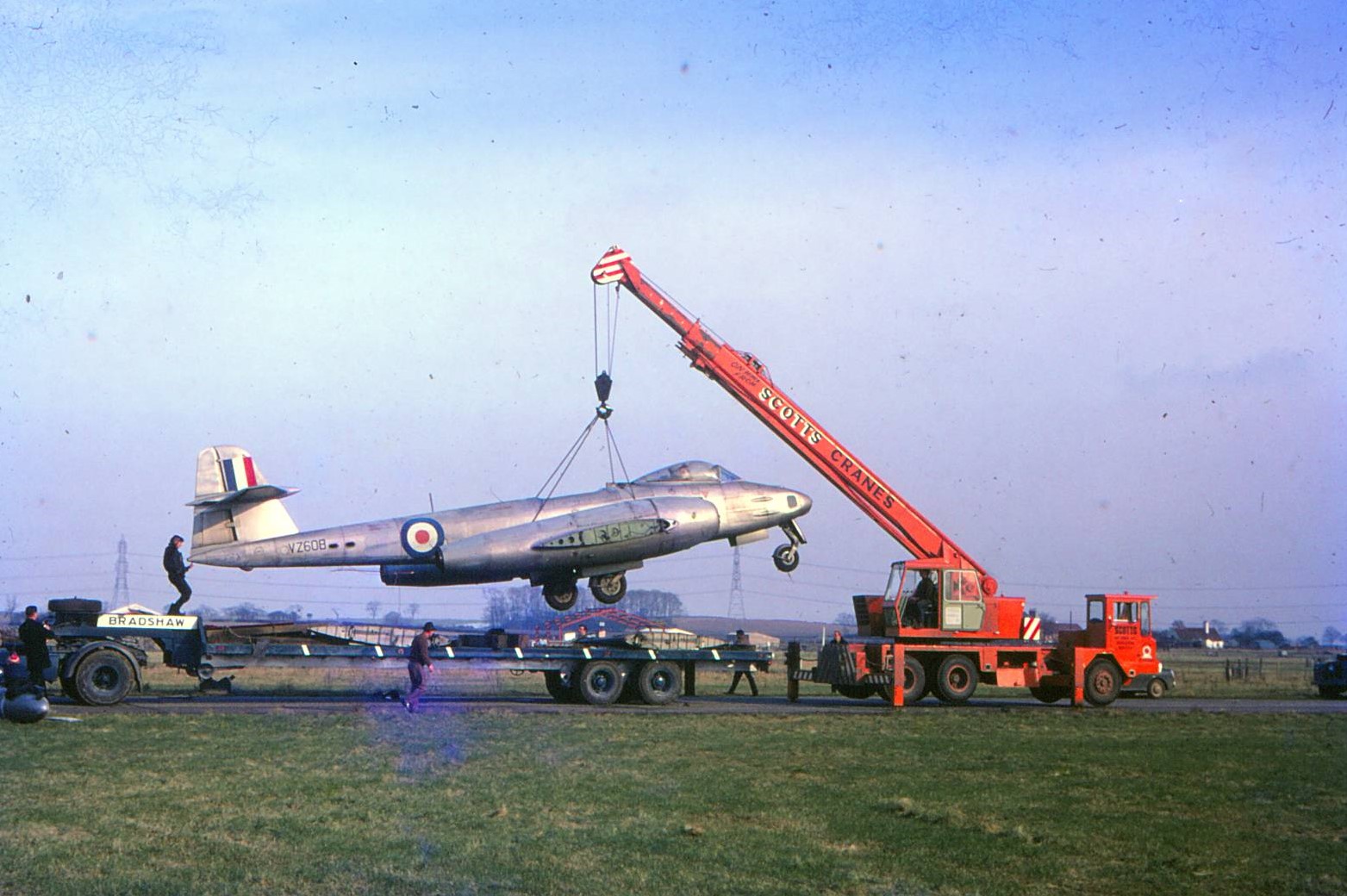
Befitting its role in aviation testing and the V-TOL programme in particular, the VZ608 planform was incorporated into the NAM logo. During the mid-1990s a structural survey of the airframe revealed major corrosion on various spar sections and a major restoration programme was completed; this work, included replacement of the damaged spars.
Support the crowdfunded Hush-Kit Book of Warplanes by pre-ordering your copy of our book hereÂ
From the cocaine, blood and flying scarves of World War One dogfighting to the dark arts of modern air combat, here is an enthralling ode to these brutally exciting killing machines.
The Hush-Kit Book of Warplanes is a beautifully designed, highly visual, collection of the best articles from the fascinating world of military aviation –hand-picked from the highly acclaimed Hush-kit online magazine (and mixed with a heavy punch of new exclusive material). It is packed with a feast of material, ranging from interviews with fighter pilots (including the English Electric Lightning, stealthy F-35B and Mach 3 MiG-25 ‘Foxbat’), to wicked satire, expert historical analysis, top 10s and all manner of things aeronautical, from the site described as
 “the thinking-man’s Top Gear… but for planesâ€.
The solid well-researched information about aeroplanes is brilliantly combined with an irreverent attitude and real insight into the dangerous romantic world of combat aircraft.

FEATURING
- Interviews with pilots of the F-14 Tomcat, Mirage, Typhoon, MiG-25, MiG-27, English Electric Lighting, Harrier, F-15, B-52 and many more.
- Engaging Top (and bottom) 10s including: Greatest fighter aircraft of World War II, Worst British aircraft, Worst Soviet aircraft and many more insanely specific ones.
- Expert analysis of weapons, tactics and technology.
- A look into art and culture’s love affair with the aeroplane.
- Bizarre moments in aviation history.
- Fascinating insights into exceptionally obscure warplanes.
-
Convinced? Pre-order your copy hereÂ


