
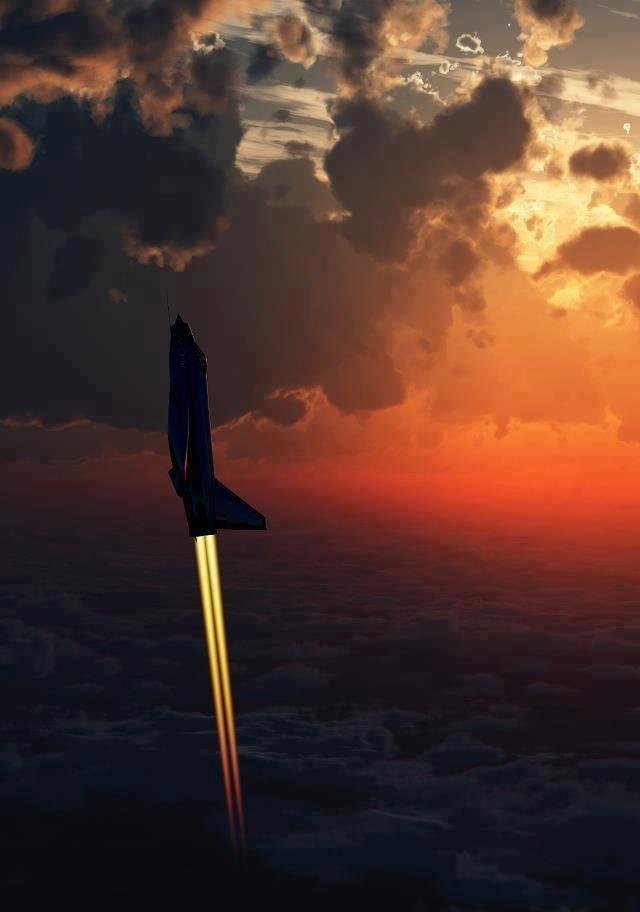
Seconds matter when intercepting enemy bombers or a sky-jacked airliner, so an effective interceptor should have a high climb rate. In layman’s terms a fighter optimised to achieve a high rate of climb will be skinny with a highly swept wing and a large amount of excess power. Here Jim Smith explains the reasons for this.
“Climb rate may be calculated using the equation below. The factors determining the maximum climb rate achievable can be determined from this equation:
((Thrust – Drag)/Weight) x V, where V is the aircraft speed”
If, like me, the sight of an equation has you skim reading and feeling anxious do not worry. I’ll try to explain this in terms even I could understand. Thrust (the force pushing the aircraft forward) minus drag (the force working against thrust) divided by the aircraft’s weight multiplied by the aircraft’s speed gives you the climb rate. We won’t bother learning about the units used for this for now. To relax those intimidated by equations here is a picture of a dog to calm you down.

“From this equation, we can extract the factors that lead to achieving a high climb rate. The excess thrust available to climb is the difference between the maximum thrust available, and the thrust required to offset drag and maintain level flight.”
Meaning you need a certain amount of thrust to keeping go as you are, any extra thrust left over can help you climb. The more ‘grunt’, the faster you will climb.
Wings area doesn’t matter
Wing area (how much wing you have) doesn’t matter. The thing about the equation is that it tells you at a glance that wing area does not matter, it’s all about excess power. Where the wing comes in, is in what I would call second order effects. If the wing is too thick the drag will be higher – so the excess power will be less, and the climb rate lower. If the wing is thin and highly swept, the drag rise mach number will be higher, the aircraft speed can be higher, and the climb rate will be greater. Think about rockets. It is not at all necessary to have wings to have a spectacular climb rate.

“The aircraft speed (V) is important, because it is the vertical component of this that is actually the climb rate. However, aircraft speed also affects drag. As the aircraft speed increases, drag initially typically decreases because, in level flight, at higher speed, the aircraft flies at a lower incidence, and lower lift coefficient, and lift-dependent drag reduces.” For magical reasons the drag reduces as the aircraft’s speed increases.
However, as the speed increases towards the speed of sound, drag will typically increase rapidly. As local areas of flow become supersonic, drag increases significantly, and the Mach number at which this occurs is referred to as the drag-rise Mach number. Configurations with highly swept wings such as the Lightning, or with very high fineness ratio (length to cross-section, meaning skinny) and thin wings, such as the F-104, will have higher drag-rise Mach numbers, allowing a higher climb-speed (V) and a greater rate of climb.

The maximum climb rate is likely to be achieved at a subsonic speed close to, but less than, the drag-rise Mach number. Configurations with high Thrust-to-Weight ratio, low drag, and a high drag-rise Mach number will achieve the highest climb rate.
At which point, we come to the difficulty. Today’s aircraft simply don’t have the luxury of being point designs.

To really maximise climb rate, you also want to minimise aircraft weight. Yes, it can be done – the recent Hush-Kit article on the Streak Eagle showed exactly how to do it. Take the radar out. Take the gun out. Calculate the fuel needed for your flight profile, and minimise the reserves. Strip the paint off. What you end up with is a hot rod that’s only useful for breaking records.
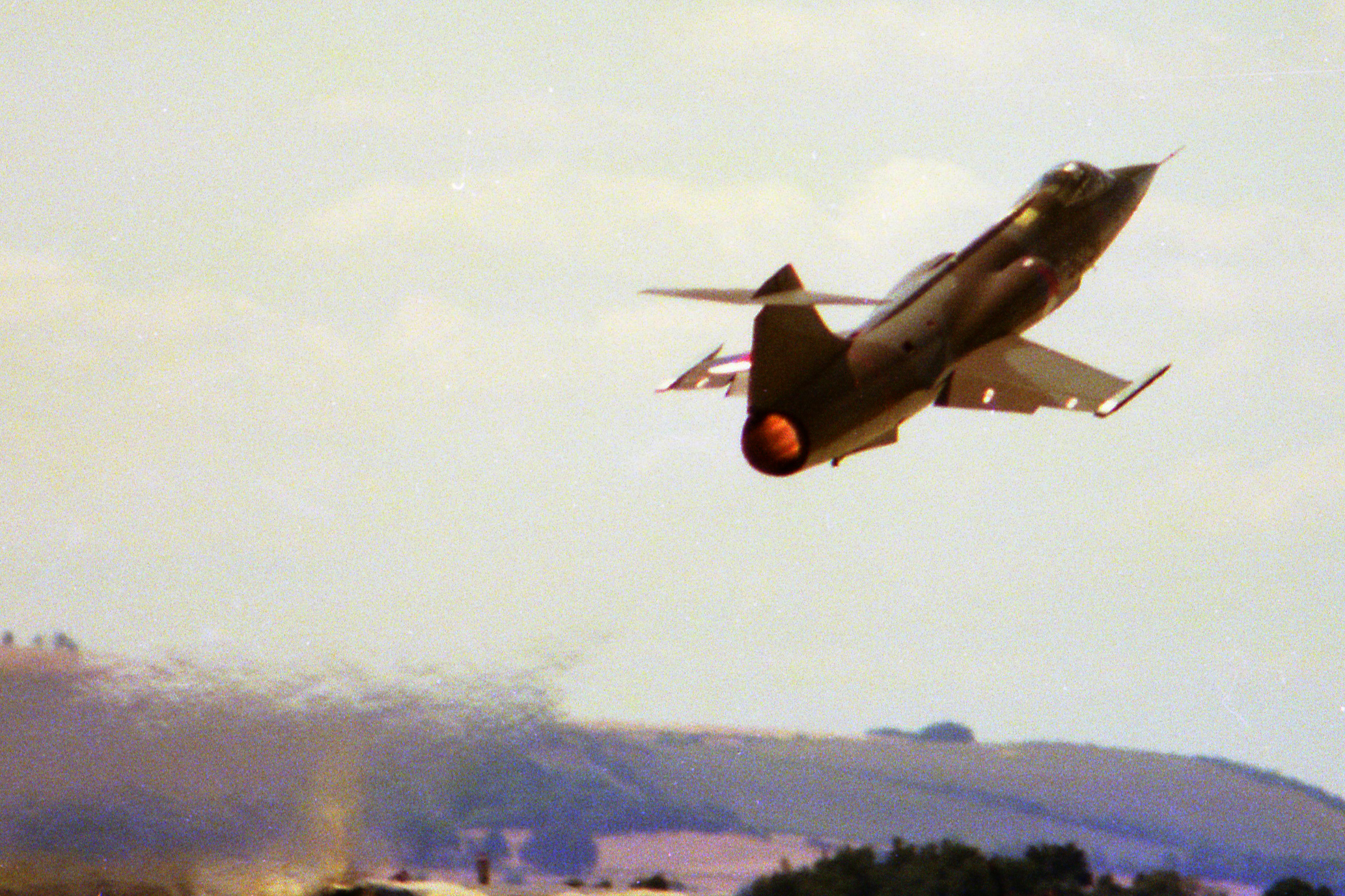
But put a little radar back in, add a couple of heat seeking missiles, and you get something of a specialist interceptor. Fabulous climb rate, miserable range – a Lightning or an F-104, where mission performance has been subjugated to a single point performance parameter – the minimum time to intercept from a standing start.
Climb at all costs
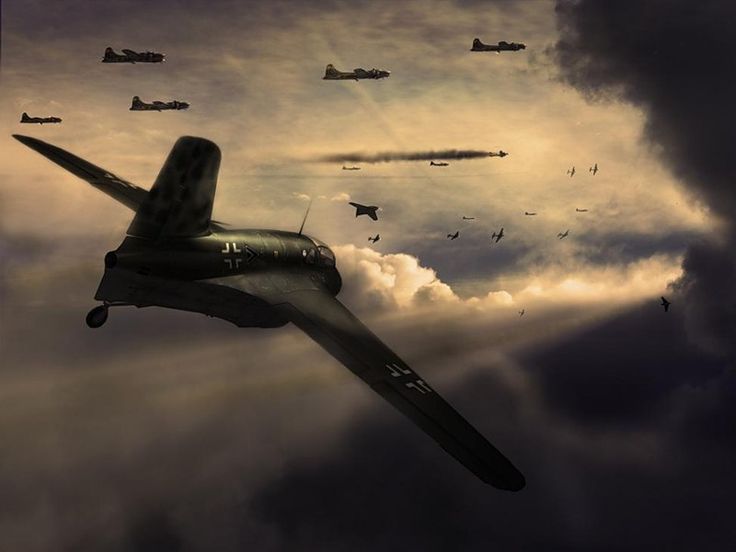
Of course, the Messerschmitt 163 Komet was perhaps the first exemplar of an extreme point-defence interceptor. Take a tiny aircraft with a rocket motor – light the blue touch paper and watch it climb like an angel, fire off its weapons, run out of fuel and glide back to land.
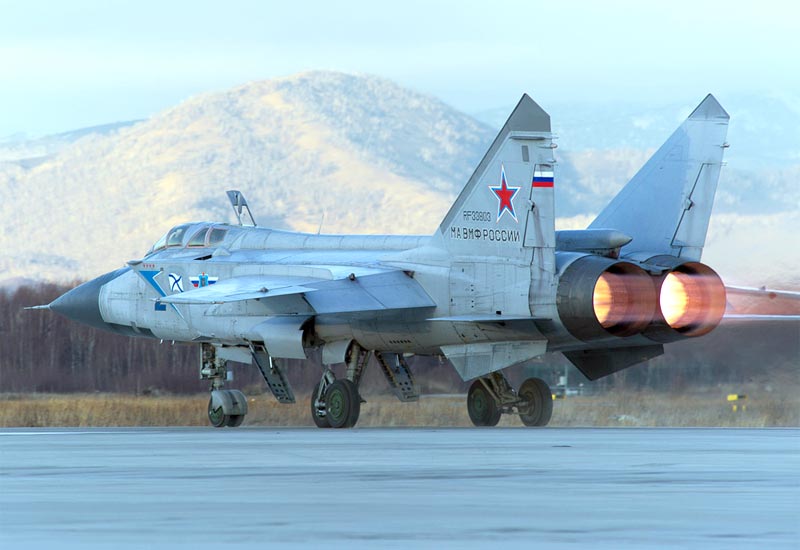
Do point-defence interceptors exist in the modern world? Well, not really. A strategic interceptor like the MiG-31 has to cover vast distances, and although having huge engines, also has a massive fuel load to carry. The MiG-31 can achieve high speed and high altitude, but in realistic missions will probably be carrying too much fuel to deliver its potential climb rate.
Take thirty seconds to click and donate here to keep this site going. Thank you.
For most air forces, standing combat air patrols (CAP) supported by air-to-air refuelling offers a more rapid and further reaching response than the ground-based interceptor responding to a Quick Reaction Alert (QRA) call. Acceleration from (say) CAP at Mach 0.8 at 25,000 ft to Mach 1.8 at around 40,000 ft is now perhaps more of a driver than pure climb rate.
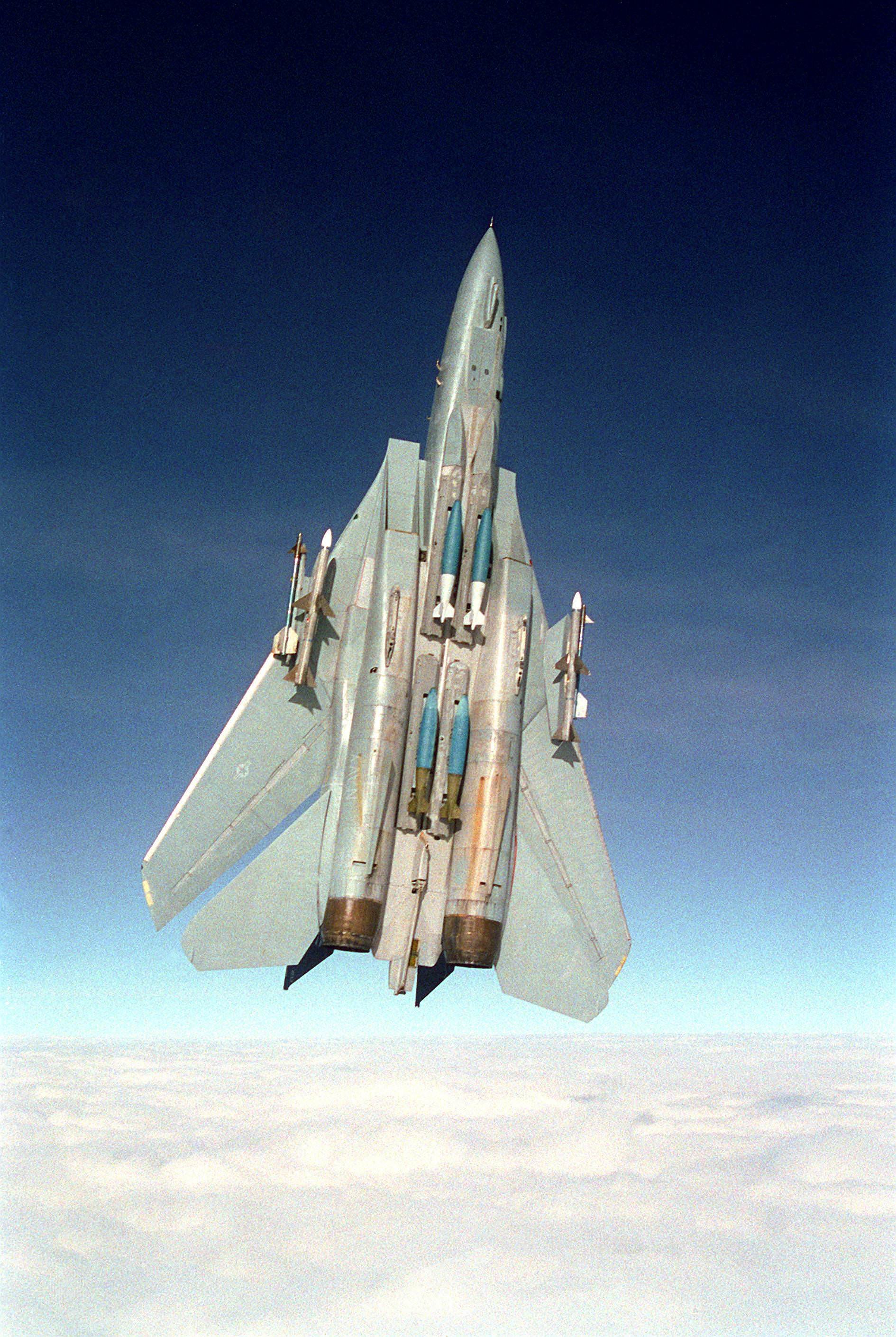
Nominees for best historic climb rate: the Lightning and the F-104. Technically, the F-104 may have had a greater initial climb rate, but it was scarcely ever employed in the point defence interceptor role, so I prefer the Lightning. For current aircraft, there would not be much to choose between any of the current generation 4.5 fighters Typhoon, Rafale, or even a MiG-31 at light weight.”


Fast climbers
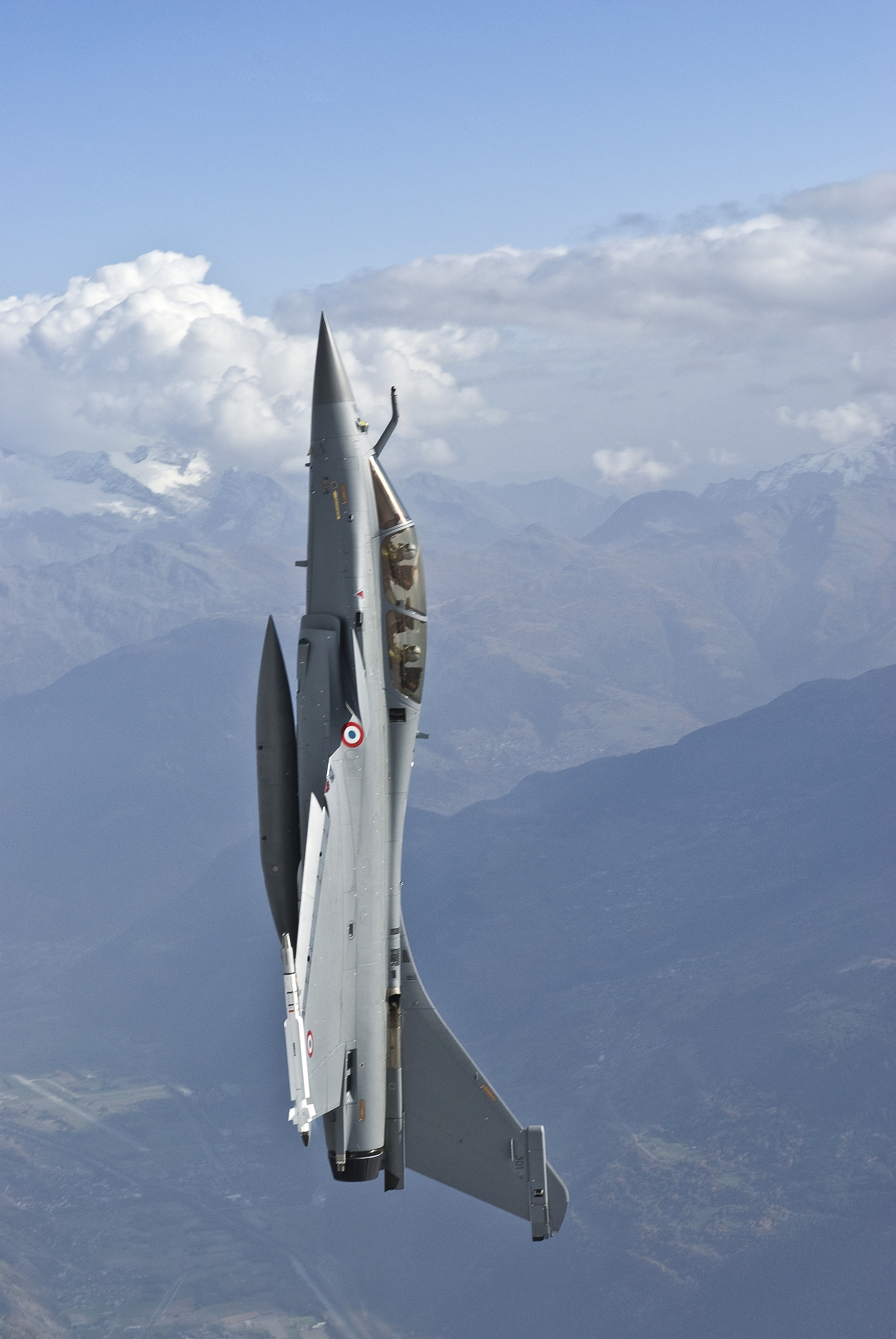
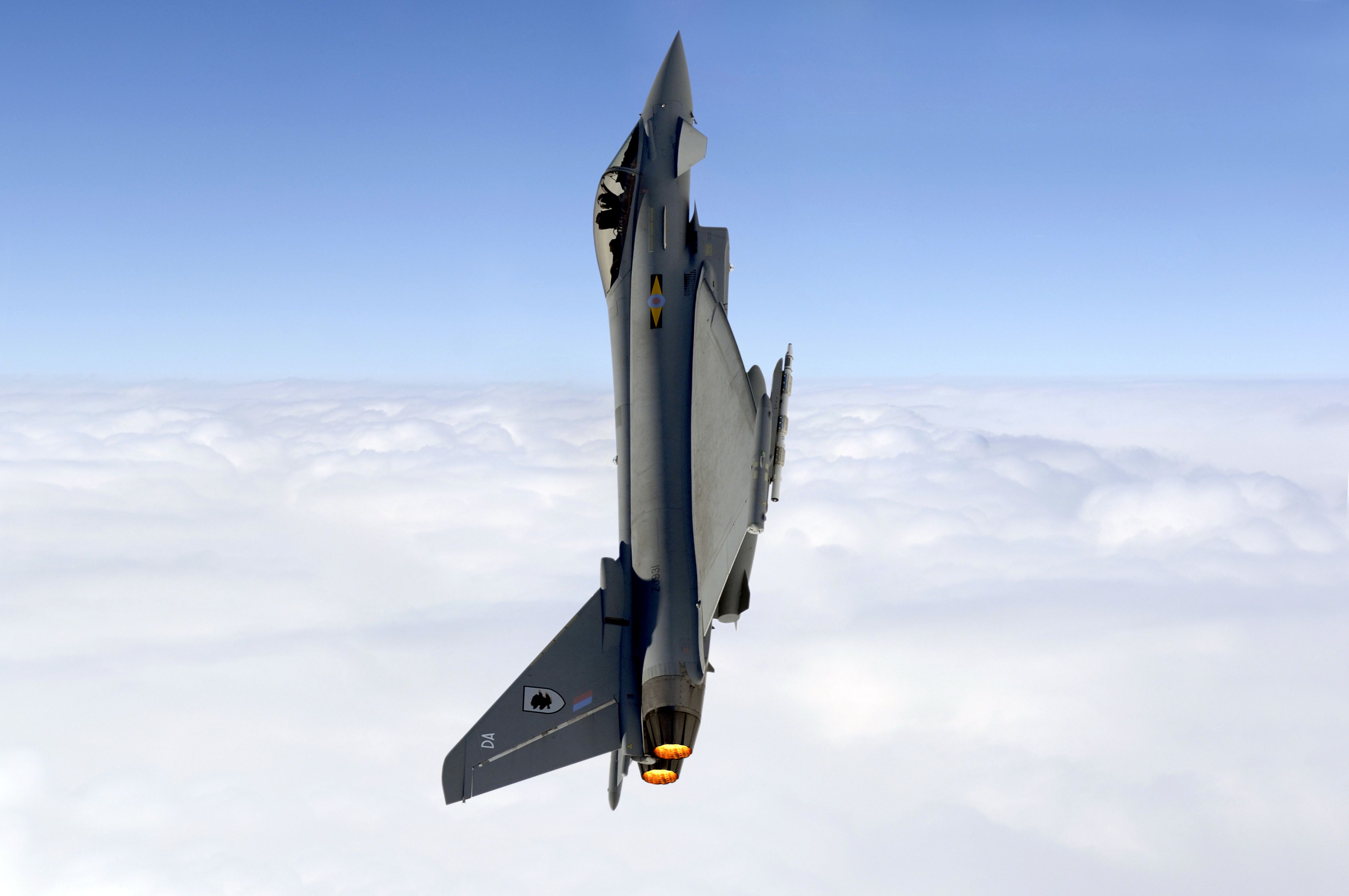
According to both Typhoon pilots and Eurofighter nothing can out-climb the aircraft, if this is true, likely contenders for second place include Rafale and F-22. The Typhoon is a low-drag lightweight design, with a large power-to-weight ratio. As it is not a stealth design its aerodynamics are less comprised by a desire for a low radar cross section. The ‘Flanker’ or T-10 series, MiG-29, F-16, F-15 (particularly the F-15K) should also rank highly. A production Su-57 with izdeliye 30 engines seems likely to eclipse all, but this is not yet operational. Jim notes, “I’d expect Typhoon to be very good, Rafale to be very similar. F-22 does have plenty of power, and there have been some rumours that USAF would like more combat persistence, suggesting that operational weights for air combat issues may not be too high. I am a bit sceptical about the Su-57, as its size suggests that significant range is required, and that routine operations will carry significant fuel.”
CLICK HERE FOR PART TWOÂ
Take thirty seconds to click and donate here to keep this site going. Thank you.Â
Want to see more stories like this:Â Follow my vapour trail on Twitter:Â @Hush_kit
Have a look at  Interview with a Viggen pilot, interview with a MiG-25 pilot, interview with a Gripen pilot, Top 10 BVR fighters of 2018. How to kill a Raptor, An Idiot’s Guide to Chinese Flankers, the 10 worst British military aircraft, The 10 worst French aircraft,  Su-35 versus Typhoon, 10 Best fighters of World War II , top WVR and BVR fighters of today, an interview with a Super Hornet pilot and a Pacifist’s Guide to Warplanes. Was the Spitfire overrated? Want something more bizarre? The Top Ten fictional aircraft is a fascinating read, as is The Strange Story and The Planet Satellite. The Fashion Versus Aircraft Camo is also a real cracker. Those interested in the Cold Way should read A pilot’s guide to flying and fighting in the Lightning. Those feeling less belligerent may enjoy A pilot’s farewell to the Airbus A340. Looking for something more humorous? Have a look at this F-35 satire and ‘Werner Herzog’s Guide to pusher bi-planes or the Ten most boring aircraft. In the mood for something more offensive? Try the NSFW 10 best looking American airplanes, or the same but for Canadians.Â

