
Â
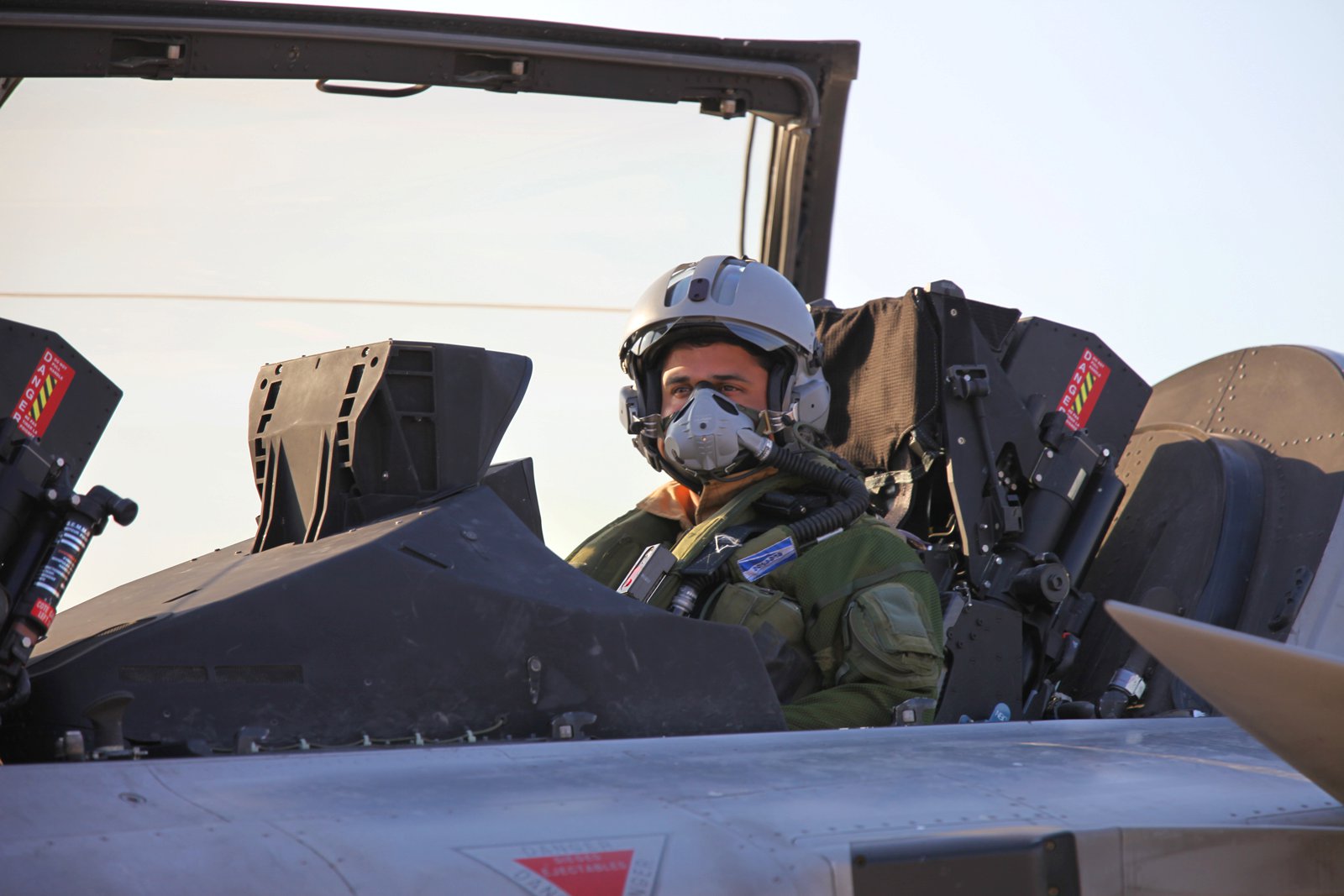
Indian air power is a fascinating, and perplexing, subject. We met up with Indian defence reporter Shiv Aroor to find out more.
If this interests you, support Hush-Kit.net with a donation (buttons above and below). If this goes well we’ll be able to give you much more! Recommended donation £15. Many thanks for helping to keep us impartial and independent.
What’s your name and what do you do? Â
My name is Shiv Aroor. I’m a journalist based in New Delhi, India. I’m a TV anchor & consulting editor with the India Today Group, where I’ve spent ten years reporting on the military, conflict and the country’s big stories. I’m also editor of Livefist, where I do original reporting on defence and aerospace in India and the neighbourhood. I started Livefist in 2007 when I moved from a newspaper to a television station as a space to continue my writing. The blog became much more popular than I had anticipated and will be, starting April, my principal work. In ten years, Livefist has won two awards.

Â

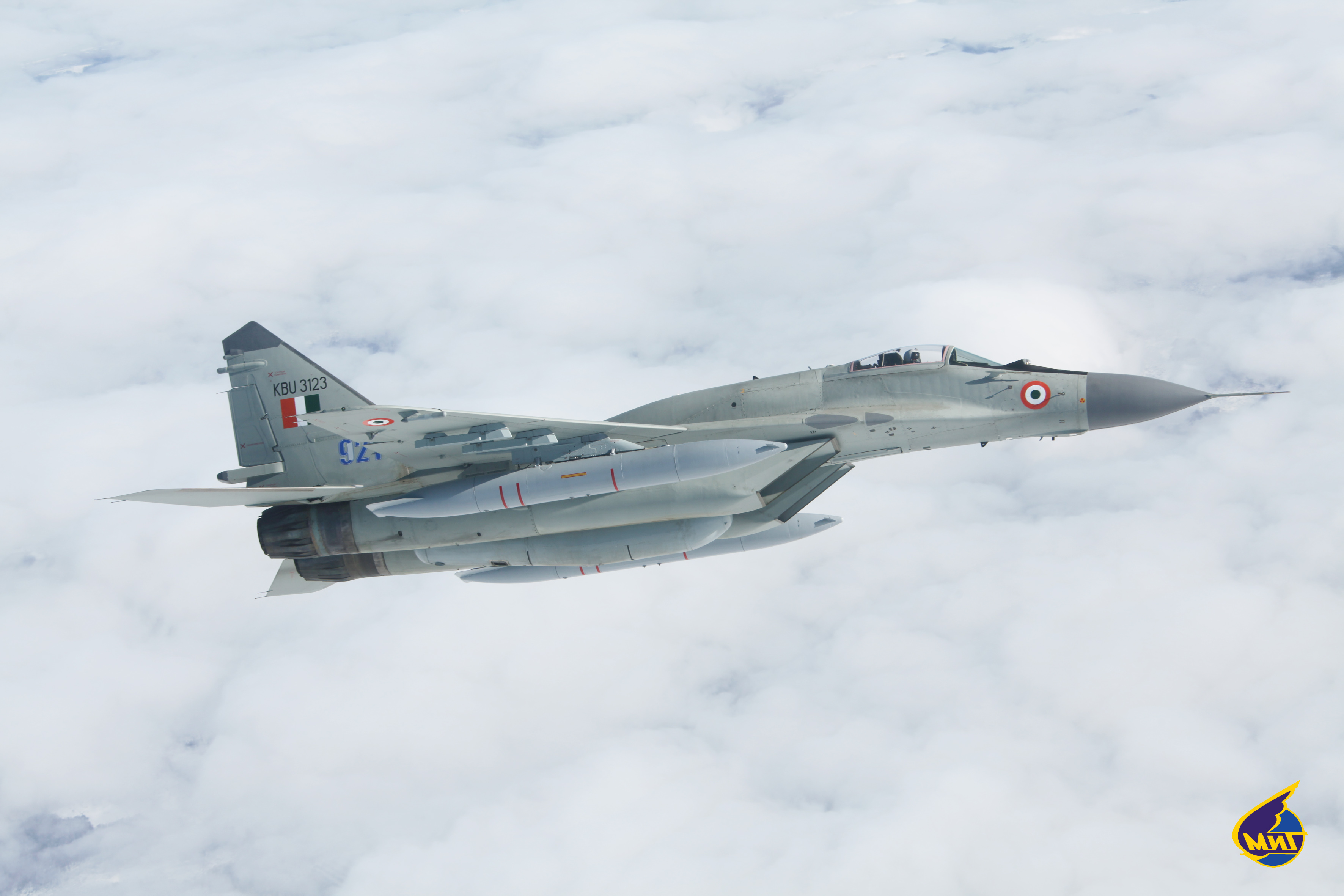
The Indian Air Force has a legacy ‘sanctioned strength’ of 42 full-ops fighter squadrons, and currently operates a little over 30. The reason I say ‘legacy’ is because that number, defined many decades ago, doesn’t quite take into account higher performance jets eroding the need for larger numbers. You’re inviting problems if the planning-related bean-count involves both MiG-21s and Su-30MKIs in the same sweep. It’s a bit of slippery slope. The ‘no replacement for numbers‘ theory has some good arguments, but many bad ones — not least inventory and cost. Many of the IAF’s logistics and planning issues probably have a road leading to that inescapable tether around its sanctioned squadron strength. I’ve suggested in the past that the indigenous LCA Tejas should be inducted in large numbers to build an eco-system around the platform and help speed up the replacement of MiG-21 squadrons.
Flying and fighting in the Mirage 2000 here.
Â
Â
What is ‘Make in India’ initiative and how do you think it should proceed?Â
Is it possible to write about military aircraft in a non-political way? Is there a risk of normalising them by celebrating the amazing technology they include? 
 Does India spend too much or too little or defence?
 Terrific question. India definitely spends enough, but it certainly doesn’t spend it smartly. We still don’t have lean forces, and like other countries with large armed services, spend a colossal amount on salaries and pensions. Budgets for modernisation and acquisition of weapons are frequently returned to the treasury unspent. There are grave overlaps and double-efforts across agencies, a lack of synergy that has a huge attendant cost too.
In terms of training time/flight time/tactics how good are IAF crews?
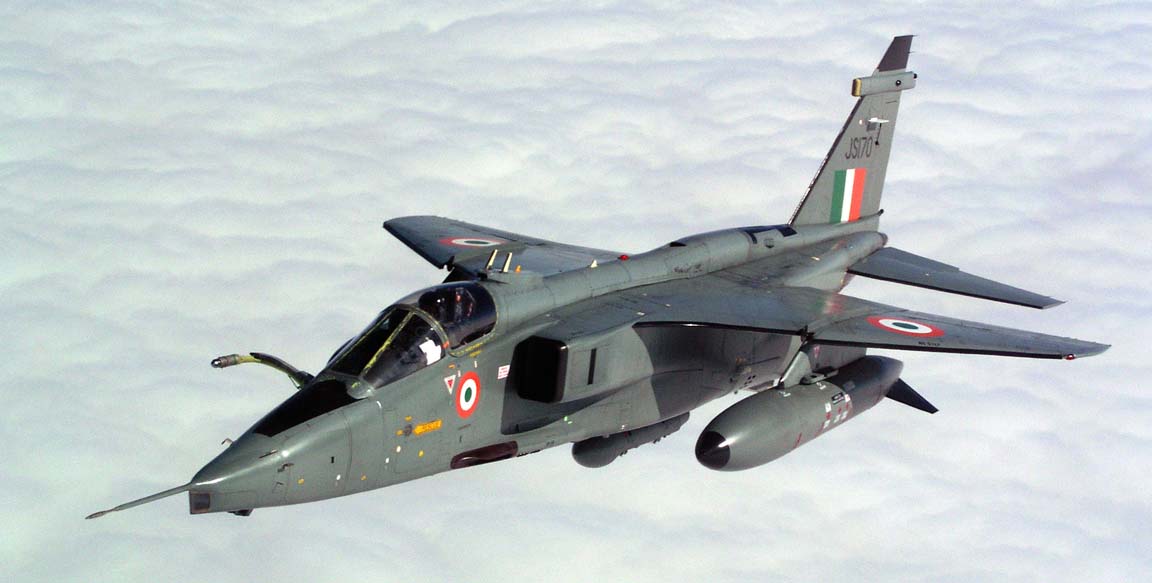
 They compare very favourably, in many cases better than a lot of air forces. The IAF cadet navigates a training regimen that’s buffeted by obsolete aircraft and changing doctrine. The IAF also has a pretty substantial shortage of pilots. In terms of tactics, a combination of type diversity and a very long wait outside of real fourth generation tech gives IAF pilots a frequent edge in that adage that applies to all militaries, but especially to India’s — they’ll fight with what they have.
Is the Pakistan Air Force still viewed as the primary notional threat, and if so how do the air forces compare?
No longer. An air war with Pakistan isn’t the aggravating prospect it was in the sixties and seventies. The PAF is very well trained and professional force, but a full-scale air power confrontation of the kinds that took place between India and Pakistan and 1965 and 1971 would likely end quite badly for Pakistan.
How does the IAF match up against the Chinese air force?

Like most countries, the Indian military regards their Chinese counterparts with one enduring question: ‘what’s their long term gameplan?’ In terms of a straight bean-count, China outclasses the IAF in size and structure. In terms of how things are matched in terms of logistics, deployment and how stretched the PLAAF is in its areas of responsibility near India, the game is a measure more equal. Chinese air power, in my mind, is less of a pressing concern to India than its naval strength.
You may also enjoy 11 Cancelled French aircraft or the 10 worst British military aircraft, Su-35 versus Typhoon, 10 Best fighters of World War II , Su-35 versus Typhoon, top WVR and BVR fighters of today, an interview with a Super Hornet pilot and a Pacifist’s Guide to Warplanes. Flying and fighting in the Tornado. Was the Spitfire overrated?
 I’m actually in the process of doing a comparison of the aircraft eligible for an Indian Navy deal, so I haven’t really made my mind up yet.
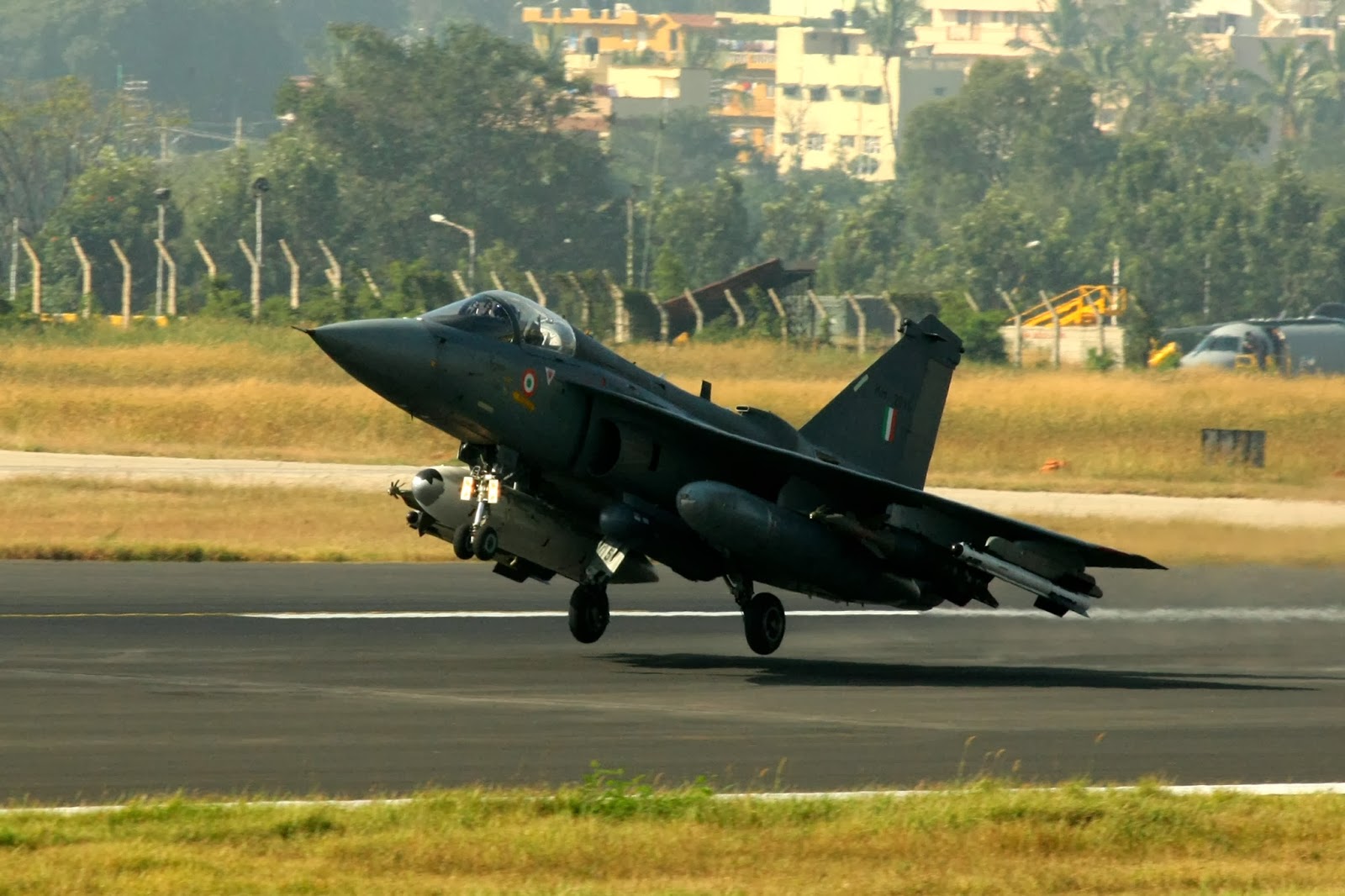
Tejas has a very bad reputation, is it deserved?
Sukhoi/HAL FGFA – will it happen? Do you think it’s a good idea?Â
Do you have a favourite aircraft- and if so, why?
What did you think about the cancellation of the recent Russo-Indian transport aircraft?Â
What are your thoughts on the HAL AMCA?

The Su-30 has reputation for poor reliability and maintainability in IAF service- why is this?
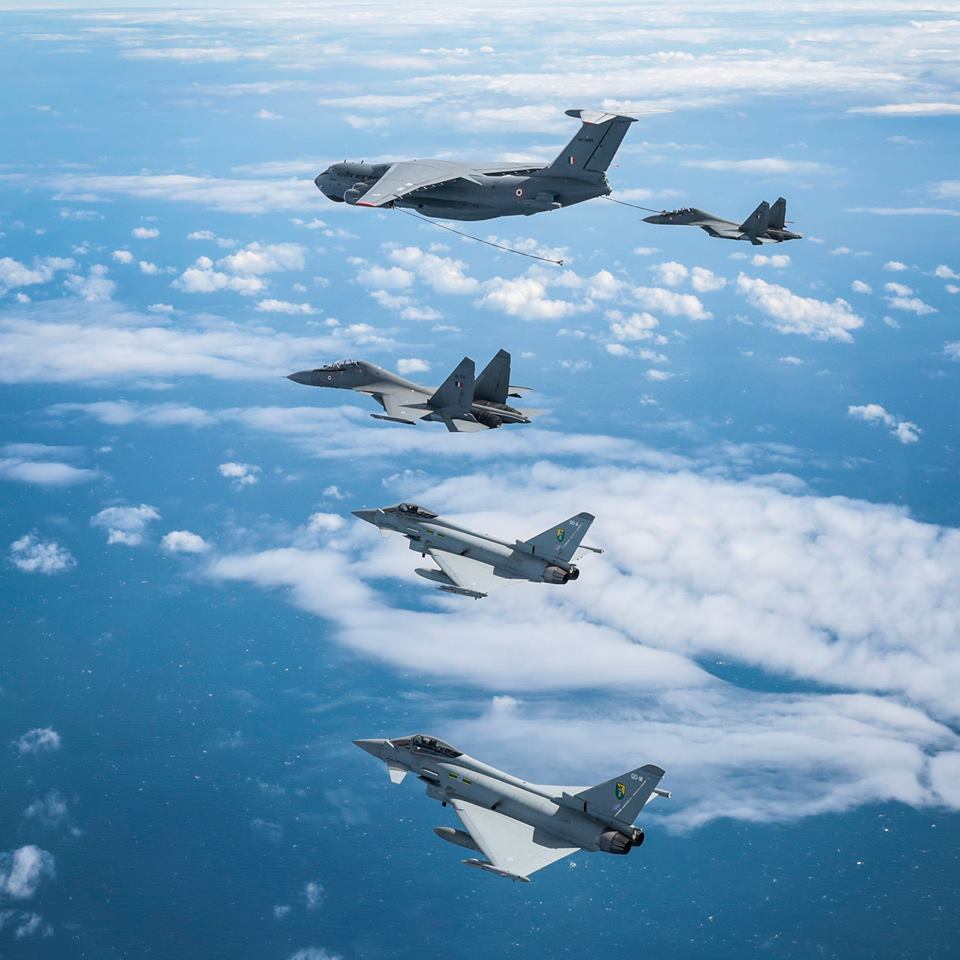
I’ve heard wildly differing accounts of the RAF/IAF exercises where Typhoons flew against Su-30s, what is your understanding of this?
The 2015 Indradhanush exercises? The IAF did in fact brief journalists about how they hit that one out of the park in close combat/WVR engagements. I’m not sure we’ll ever know the truth, but I wouldn’t discount either side entirely. Revealing the ‘score’ after an exercise meant to build a joint working ethic (as much as bonhomie) is a bit of a gaffe, so I’m not surprised the RAF reacted the way it did.
 If this interests you, support Hush-Kit.net with a donation (buttons above and below). If this goes well we’ll be able to give you much more! Recommended donation £15. Many thanks for helping to keep us impartial and independent.Â

