

The F-35 is many things: a totem of all that’s wrong with the military industrial congressional complex, a technological marvel, a black hole that sucks in cash, and a weapon system that is now in service. But can it do the job? Hush-Kit spoke to the Royal United Services Institute’s Justin Bronk to find out more.Â
Help Hush-Kit to remain independent by donating here. Donations enable us to carry on creating unusual and engaging articles. Thank you.Â
We have all heard repeated stories about poor fleet availability rates – how reliable are the different F-35 models?
Justin Bronk:Â “That very much depends which source one asks, which squadron and which software standard aircraft are operating with. In many cases, particularly with the A model at Elgin AFB, the serviceability is much better than the various dire reports in the mainstream media and POGO reports would suggest. However, the C model is still at a much less advanced stage and the B model is reportedly only attaining the required serviceability rates with the USMC via manual ALIS workarounds and by accepting many combat-suitability limitations which continue to limit Block 2B software.”
We have seen photos of the sweeping of landing sites (by many groundcrew with brooms) for the F-35B – what’s the story?
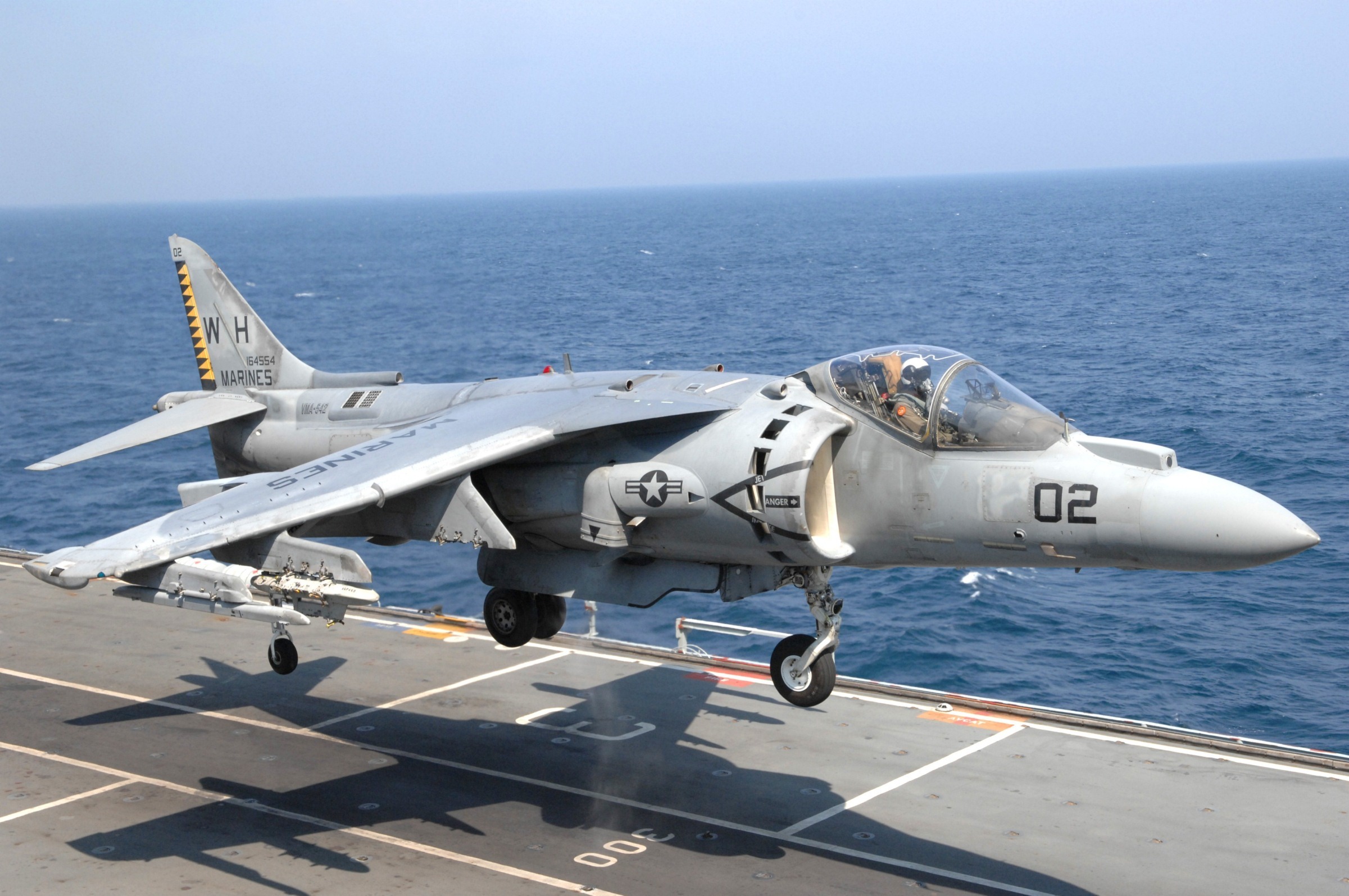
  “Like the Harrier, the F-35B is particularly at risk during the critical hover stages of a vertical landing where there is no ‘glide approach’ possible in the event of engine failure. Therefore, every precaution is taken to keep foreign object damage (FOD) risks to an absolute minimum at landing sites. Because of the concentrated vertical jet blast which the F-35B generates during vertical landings, it tends to create worse ‘brownout’ conditions and more serious FOD danger if landing zones are not meticulously cleared than other types. The V-22 Osprey is another example of how a combination of powerful hot downward jet wash and turbine engines can create brownout and FOD issues.”
 Which of the F-35 capabilities are unusually good, and do they currently function?
“The situational awareness which the F-35 generates for pilots is second to none. Even in the limited Block 2B software version of the B model being used by the USMC, the picture generated automatically by all the aircraft’s various sensors and presented in a clear, unified picture which can be interrogated in depth without sensor management gives pilots a huge advantage over their colleagues and opponents flying any previous tactical fighters. The limitations at present are in sharing that information with other platforms and linking more than two F-35s via the stealthy MADL datalink simultaneously.
The carefree VSTOL characteristics of the F-35B make the notoriously difficult and dangerous vertical phases of flight in a Harrier simple and safe. This has huge implications for deck qualification requirements and work up schedules, as well as promising greatly reduced fleet attrition rates over the Harrier and even the F-18 series. ”
Which of the F-35s avionics or sensors are second-rate?
“In many respects, the F-35 incorporates technologies which have been overtaken by specialised podded alternatives due to the jet’s long development cycle. However, it is worth remembering that the F-22 Raptor still flies on computer technologies from the early 1990s so even the most capable fighter in existence is dependent on technologies which could be considered second rate. The EOTS system is probably the most obvious example of where specialised technology has overtaken the F-35 programme since the latest Litening III and Sniper pods incorporate better resolution, cooling efficiency and full motion video capabilities than EOTS. However, this is offset in squadron service to a significant extent by the fact that EOTS is ‘baked in’ to every airframe so unlike targeting and reconnaissance pods which are often in short supply for operations, let alone training sorties, EOTS (along with all the other F-35 core capabilities) will be available on every jet so pilots can truly train as they will fight.”

Do modern air arms need the F-35, and if so- why?Â

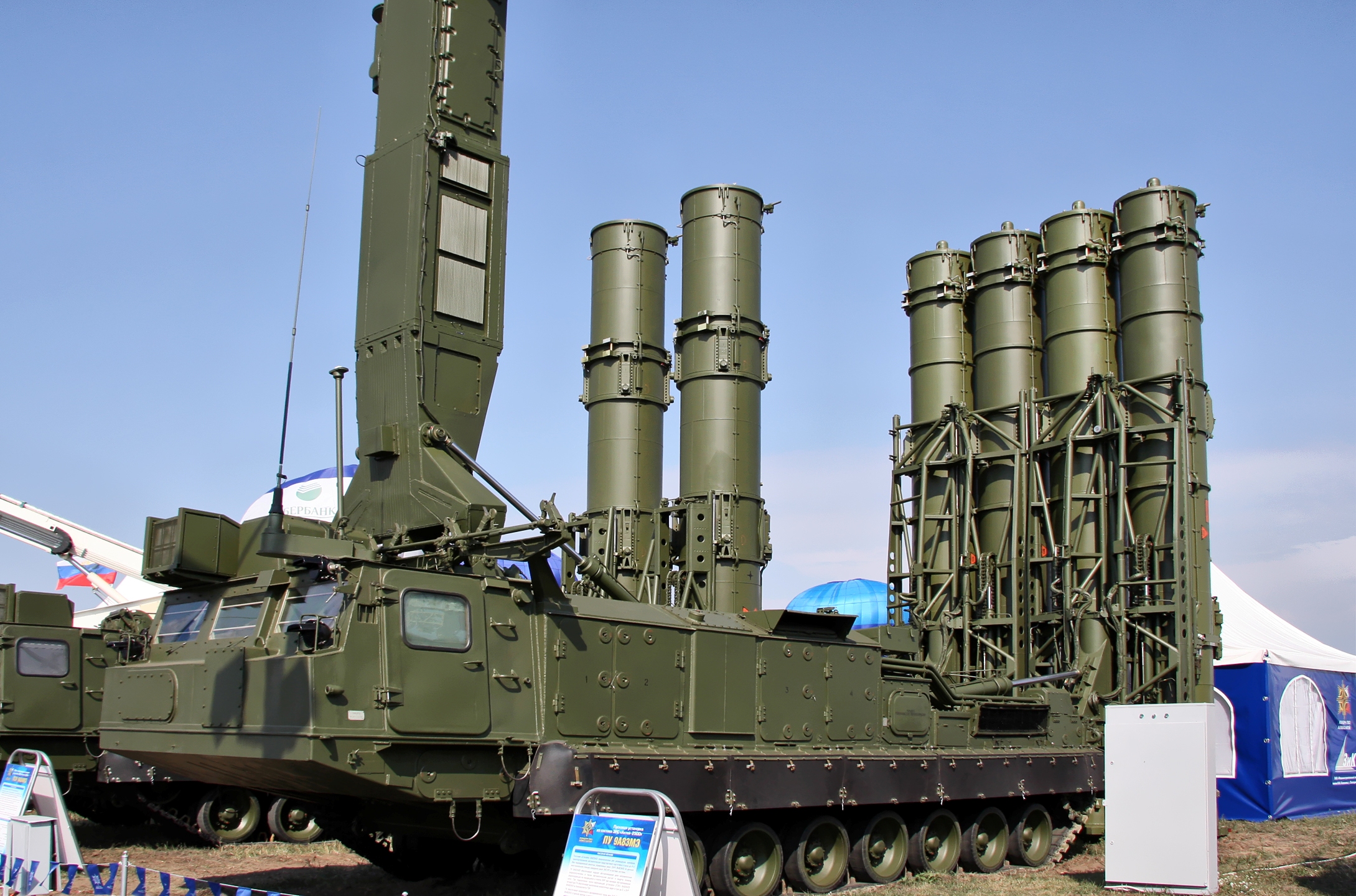
“Modern air arms need to solve two key challenges going forwards – combat mass and the proliferation of extremely capable surface to air missile system technologies globally. The F-35 will certainly be available in smaller numbers than the generation of fighters it is replacing – however, if the full potential capabilities of the aircraft can be unlocked then this may be partly offset by being able to accomplish the same tasks in high threat environments with far fewer airframes than previously possible. In terms of the threat from modern SAM systems such as the S-300V4 and S-400 the answer is simple – modern air arms with the exception of the USAF are not equipped to operate in hostile airspace guarded by these systems. Therefore, if the current fighter types are inadequate then a new approach is needed and whilst F-35 may not be the whole or even the most efficient answer to the problem; at the moment it seems to be the best available.”
What is the best estimate for how much a customer would pay for a A/B and C?
“The billion dollar question! Essentially the most accurate answer is ‘it depends’ since production lot costs vary significantly, as do exchange rates and operating costs are determined by fleet size and flying hours as much as anything intrinsic to the aircraft.
 However, in very broad brush terms for an air force looking for aircraft to be delivered in the 2020-2025 timeframe then around $100M for the A, $125M for the B and $140M for the C would be my best estimate on flyaway cost including initial spares and weapons.”
How well can F-35s currently communicate with platforms like the F-16 or Typhoon?Â
“That depends on what the threat environment is. If F-35 can broadcast on Link 16 without unacceptably degrading its survivability then links with F-16 or Typhoon are as good as any other fighter on the network. However, low-probability of intercept (stealthy) waveforms such as the multifunction advanced datalink (MADL) currently require a translation node such as Northrop Grumman’s Battlefield Airborne Communication Node (BACN), mounted on another platform like a Global Hawk in order to pass tactical information to Link 16 assets.”

What tactics will emerge when conventional aircraft fight alongside lower RCS (radar cross section) aircraft?
“This already occurs regularly on Red Flag exercises where Typhoons and F-15s (amongst others) are teamed up in strike packages with the F-22 Raptor. In this case the F-22s use their superior situational awareness and survivability to direct the other fighters against enemy air threats for a as long as possible to preserve their own missiles and fuel for the final stages of any encounter, or to take out any particularly high threat targets which the fourth generation aircraft are having difficulties with. The F-35 will not be able to fly as high, fast and far as the F-22 so tactics will have to change vis-à -vis integration with more traditional designs. However, the principles of using the fifth generation assets’ superior situational awareness and survivability to get the most out of the brute power of the Typhoons and ‘teen series’ fighters, whilst helping the latter to avoid or defend against the most dangerous threats as the engagement develops, will still apply.”
What problems do you predict for the F-35?Â

“Many issues remain in terms of software, flight control system parameters, buffeting and weapons integration are running behind schedule in Block 2 and 3 software – so Block 3 and 4 are increasingly taken up with fixes for problems rather than adding promised capabilities. Autonomic Logistics Information System (ALIS) also remains a source of bugs and deployability issues and will do for some time. I therefore predict that whilst most of the aircraft’s current problems will be ironed out over time, the time required to do so will lead to a situation not unlike Typhoon where advanced weapons integration and promised software-based capability upgrades are delivered years behind schedule in the first decade or so of the F-35’s frontline career.”
What is the greatest myth about the F-35?

“The greatest myth about the F-35 is that it is a bad aircraft because it cannot outmanoeuvre an F-16. The F-16 is a phenomenal example of single mission-set aircraft design that has proven to be flexible and cost effective in multiple conflicts. However, the F-16 is simply not going to be relevant in a high-threat environment going forwards. The F-35 should never have to out-manoeuvre an F-16 within visual range because its situational awareness and low-observability allows an F-35 pilot to know exactly where the F-16 is from a great distance whilst remaining undetected itself. He/she can, therefore, position themselves to completely control any engagement or avoid a direct confrontation as required. If in a really tight spot, the advanced helmet with 360-degree targeting capabilities and AIM-9X with its extreme off-boresight engagement parameters should ensure that a turning dogfight is an irrelevance.”
Is the F-35 cost effective?
“That remains to be seen when the type has several years of frontline operational service under its belt. It also fundamentally depends on what a nation wants its air force to do. Switzerland, for example, which only uses its air force for QRA duties against airliners during weekdays and is not planning to participate in power projection activities overseas, would be mad to purchase F-35. However, for the UK which has Typhoon as a superb (albeit expensive) QRA, air superiority and soon to be multirole asset, but lacks the capacity to operate against modern integrated air defence systems (IADS); F-35 is not only cost effective but also the only option – assuming the UK wants to be able to project power abroad in this way in future. The F-35 is fundamentally about allowing air forces to operate in areas covered by modern SAM systems and for that task it can be considered cost effective as there are precious few alternatives to compare it to apart from the B-2 Spirit which remains the most expensive airframe in history.”
 What will be different about F-35I Adirs? Will any other operators use unique kit?
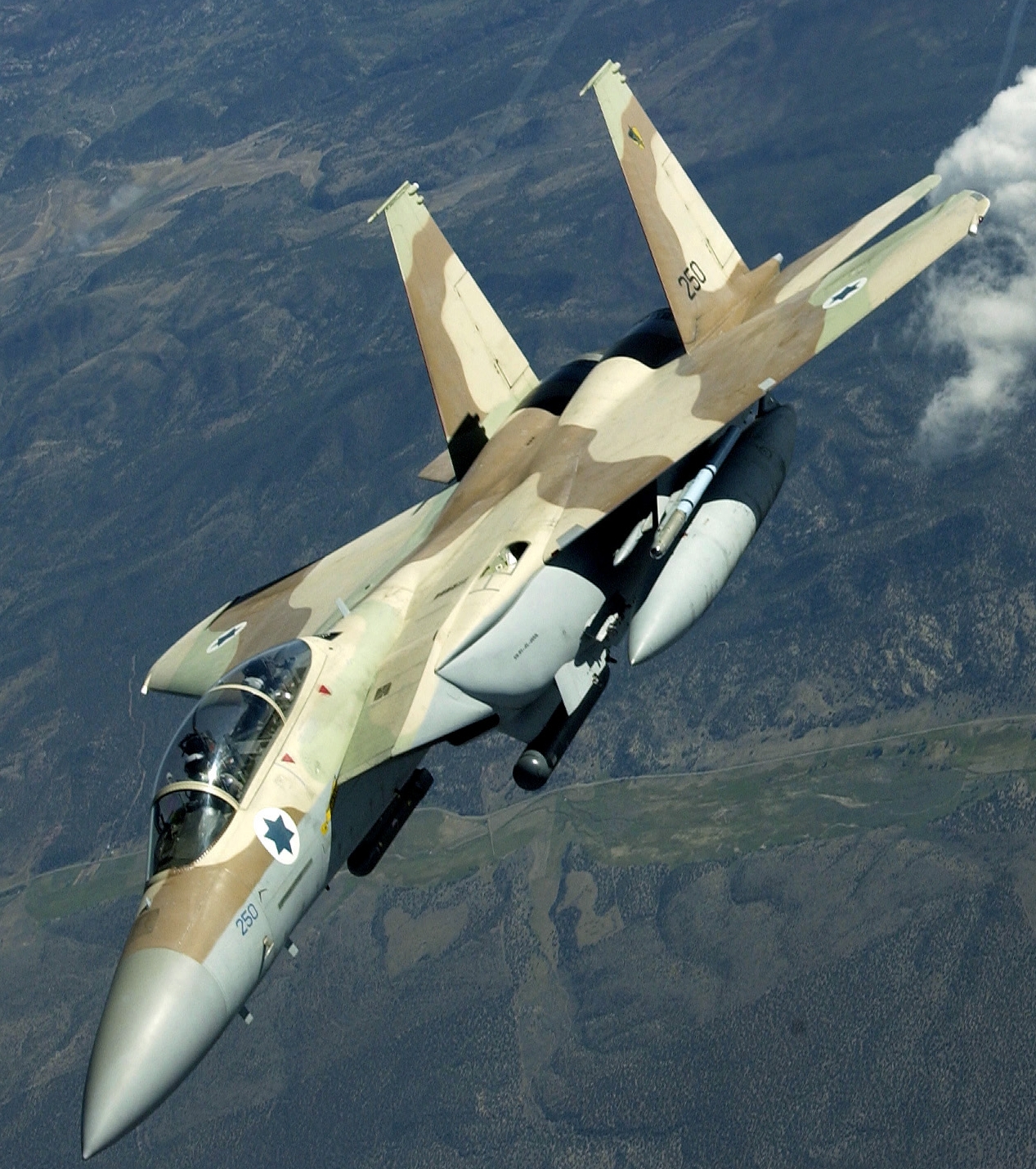
“The Israelis are basically demanding the right to be able to ‘open up’ the F-35 to look under the hood and tinker with things as they have been accustomed to doing with previous foreign types such as the F-4, Mirage III and F-15. What they end up doing with it will most likely revolve around integrating unique Israeli munitions and developing their own cyber-warfare and EW capabilities using the aircraft’s impressive potential in that area.”
Do the air arms believe the claims of its air-to-air effectiveness? If so, why is the US looking into F/A-XX?

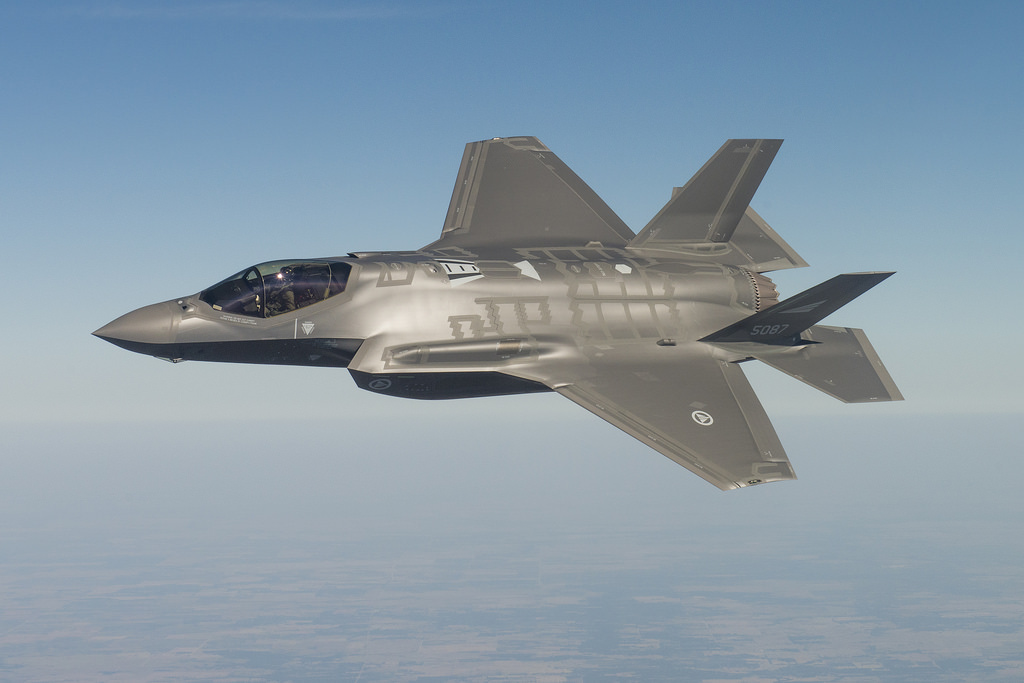
“Air arms believe the claims of F-35’s air to air effectiveness compared to legacy types. Air combat in the modern age is first and foremost about situational awareness – who sees who first, positions for advantage and kills with the first shot. F-35 will be extremely capable in this area and if used in close conjunction with fast, heavily armed and high-flying legacy fleets such as the F-15C and Typhoon, it will be utterly lethal. However, the fact remains that F-22 would most likely eat the F-35 for breakfast and foreign competitors such as the Chinese and Russians are developing aircraft aimed at closing the gap with the F-22. The F-22/F-35 duo should be enough to ensure US air dominance through the 2020s if used wisely, but beyond that, the game will continue to change and few believe that the F-35 can be developed on its own to maintain air dominance once the F-22 has itself been outclassed. Therefore, the F/A-XX and F-XX programmes are (quite rightly) looking into what comes next.”

Â
What should I have asked you about the F-35?
“Am I excited to see it come to the UK at RIAT in a few months’ time? Answer: Yes, but quite frankly I’m much more excited to see the F-22!”
Justin Bronk is Editor of RUSI Defence Systems, and Research Fellow at the Military Sciences at Royal United Services Institute. He has written articles on the RAF’s role in Syria, Rafale versus Typhoon and the Su-35.
Justin Bronk has previously worked on a Lockheed Martin sponsored research project on the F-35 – this article was not sponsored by Lockheed Martin.Â
Thank you for reading Hush-Kit. Our site is absolutely free and we have no advertisements. If you’ve enjoyed an article you can donate here– without donations we can’t carry on.
At the moment our contributors do not receive any payment but we’re hoping to reward them for their fascinating stories in the future.
Follow him on Twitter: @Justin_Br0nk
Follow my vapour trail on Twitter:Â @Hush_kit
Want to see more stories like this:Â Follow my vapour trail on Twitter:Â @Hush_kit
Please help us remain independent by donating here. Donations enable us to carry on. Many thanks.Â
Have a look at 10 worst British military aircraft, Su-35 versus Typhoon, 10 Best fighters of World War II , top WVR and BVR fighters of today, an interview with a Super Hornet pilot and a Pacifist’s Guide to Warplanes. Was the Spitfire overrated? Want something more bizarre? The Top Ten fictional aircraft is a fascinating read, as is The Strange Story and The Planet Satellite. The Fashion Versus Aircraft Camo is also a real cracker. Those interested in the Cold Way should read A pilot’s guide to flying and fighting in the Lightning. Those feeling less belligerent may enjoy A pilot’s farewell to the Airbus A340. Looking for something more humorous? Have a look at this F-35 satire and ‘Werner Herzog’s Guide to pusher bi-planes or the Ten most boring aircraft. In the mood for something more offensive? Try the NSFW 10 best looking American airplanes, or the same but for Canadians.Â

