

The USAF 1960s programme that led to the F-15 was won by McDonnell Douglas, but other fighter design houses had offered rival concepts. The most exciting of these unsuccessful designs was offered by North American, and was designated NA-335. In many ways its configuration resembled the later Sukhoi T-10. The Sukhoi T-10, after much modification, became the now ubiquitous ‘Flanker’ series. The American design differed in two significant ways: it lacked the gap between the engine nacelles, and it had only a single vertical fin.
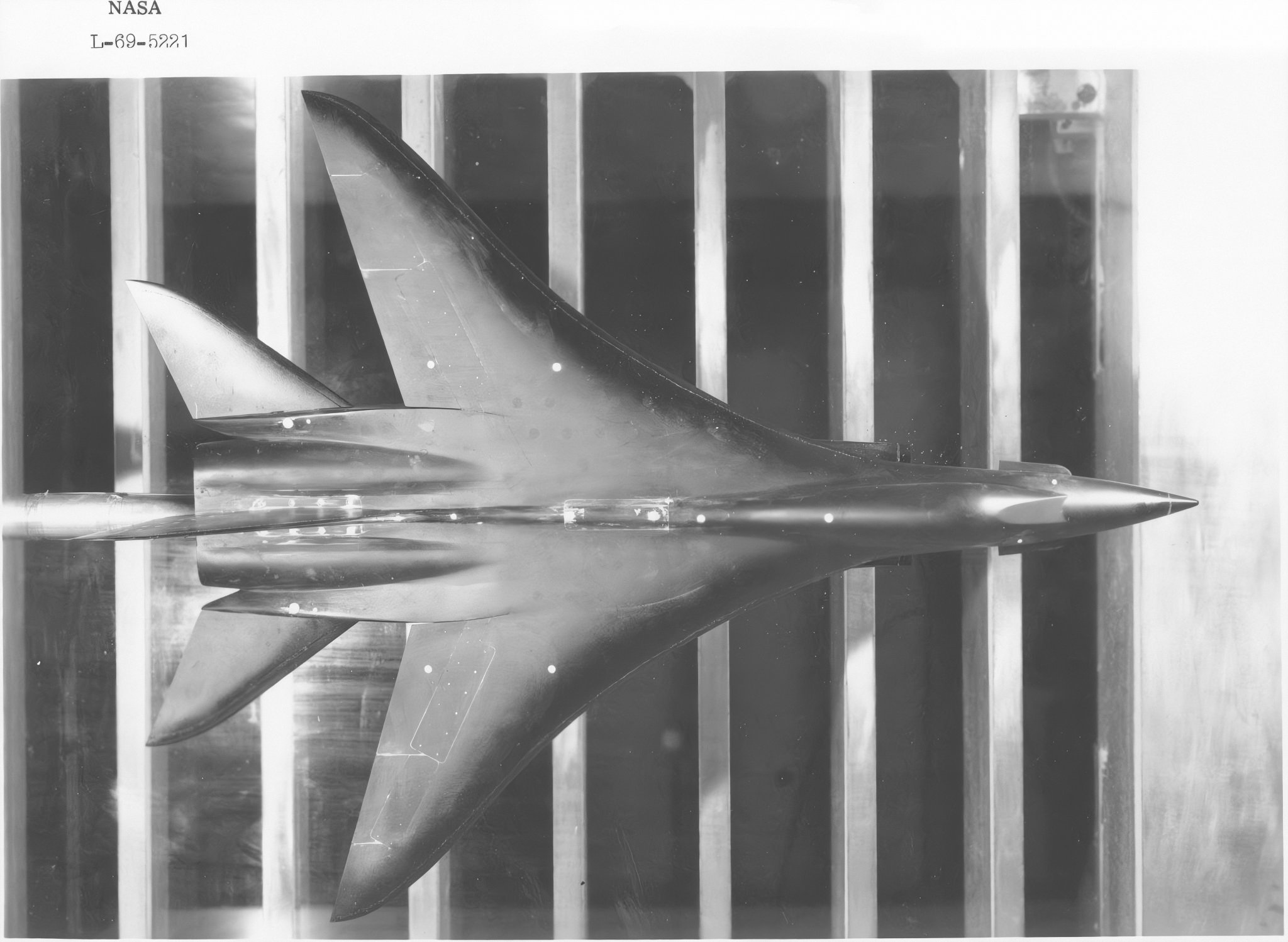
The ventral gully produces complicated airflows and can offer some separation issues for air-launched weapons, but it does allow the rear fuselage to add significantly to overall lifting area contributing to the fighter’s performance. The 335’s single-tail (backed up by large ventral fins) would have made the aircraft inferior to a twin-tailed aircraft like the F-15 in controllability at high alpha, but it would have been lighter and simpler. However, the ‘335s significant leading edge roots would have aided its ability to generate high alpha angles. Even with folding, it is harder to see how the large ventral fins would not necessitate a very tall stalky undercarriage.
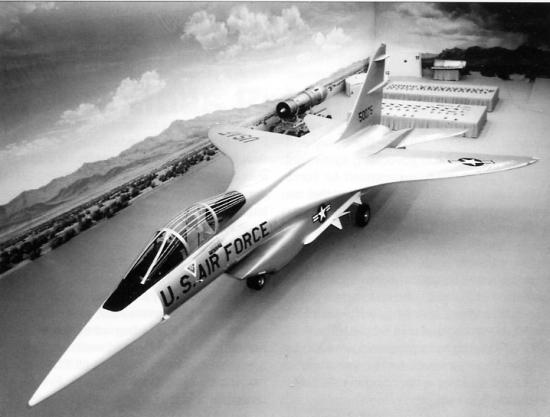
The sabre-shaped wings are particularly interesting – they feature similar wingtip curvature to the T-10, potentially causing issues at high transonic speeds and ruling out the use of tip-mounted missiles.
Keep this blog alive!

To keep this blog going- allowing us to create new articles- we need donations. We’re trying to do something different with Hush-Kit: give aviation fans something that is both entertaining, surprising and well-informed. Please do help us and click on the donate button above – you can really make a difference (suggested donation £10). You will keep us impartial and without advertisers – and allow us to carry on being naughty.

What was the most combat effective piston-engined fighter ever made? An analysis can be found here.

The Hush-Kit Book of Warplanes is incredible, come and check out its reviews here.

Follow my vapour trail on Twitter: @Hush_kit


