

English Electric Lightning. Three words which sit so beautifully together (ignoring the tautology of ‘electric’ lightning). The charged air of English skies ripped apart by riveted lunacy. The Lightning was quite mad: a greedy machine set on eating fuel and turning it into speed. Unlike anything else its two Avon engines were stacked one on top of the other making it stand monstrously tall on the ground.
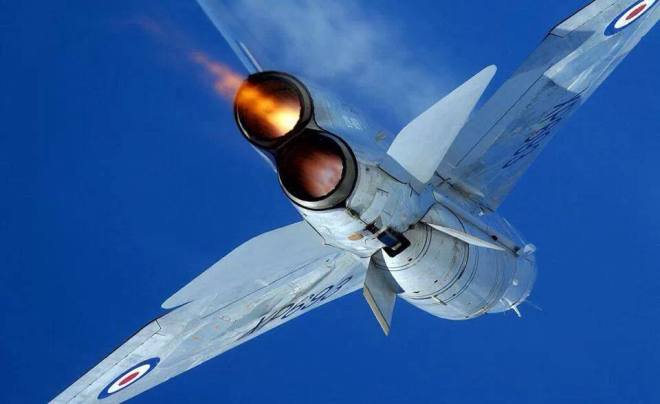
The Lightning would scorn today’s tedious drones controlled by gamers in porta-cabins. The Lightning was the anti-thesis of the UAV- it was essentially a manned missile, tricksy and twitchy – and it killed more of its own pilots than it did enemies (it actually did not see combat). When it entered service in 1959 it could outfly and outfight any of its peers, but failure to adequately upgrade the Lightning made it obsolete, while its performance was still unbeaten. Its astonishing maximum climb rate of 50,000 feet a minute was not equaled by a Western fighter until the F-15 entered service in 1976. While other fighters were getting Pulse Dopplers and radar-guided missiles, the Lightning was stuck with an antiquated radar and a missile armament of only two equally old-fashioned missiles (the contemporary F-4 Phantom II could carry eight). When it was retired it 1988, the Lightning still did not have the ability to carry chaff or flares (essential for survival) or a radar warning receiver (which alert the pilot to the presence of hostile radars).
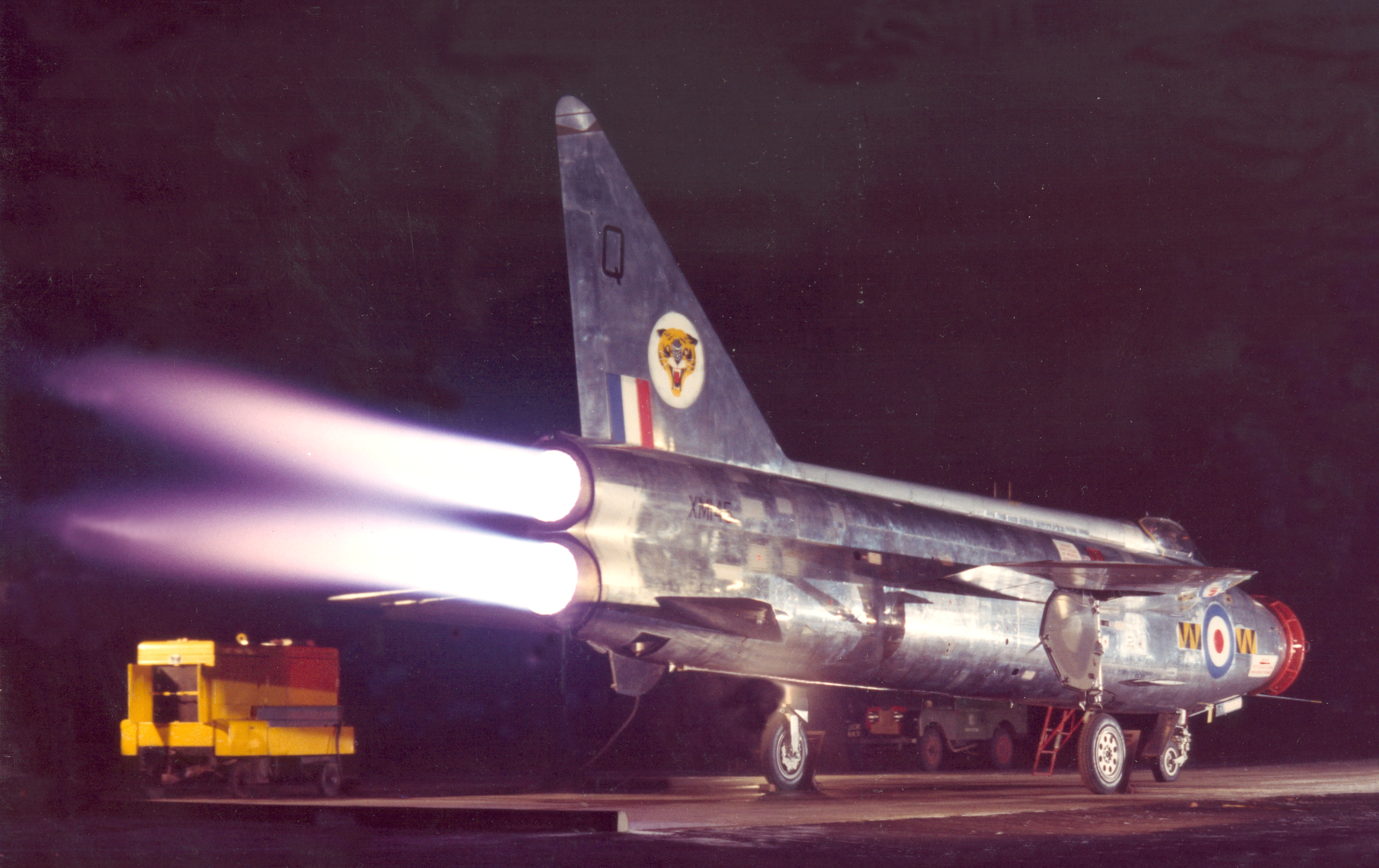

Lightning at a glance
Nicknames: The Frightening
Who used it? The air forces of Kuwait, Saudi Arabia and Great Britain. Today the private
company Thunder City provides civilians the chance to fly in a Lightning.
First flight? 1957
How many were built: 337
Any good? Its phenomenal performance was marred by its poor endurance and weapons systems. As a point defence intercepter it was excellent. An early assessment against the US F-106 left the Lightning pilot with the impression that he had the best fighter in the world. By the late 1960s, it was behind the technology curve.
Rivals? There was no direct equivalent to the Lightning.

