
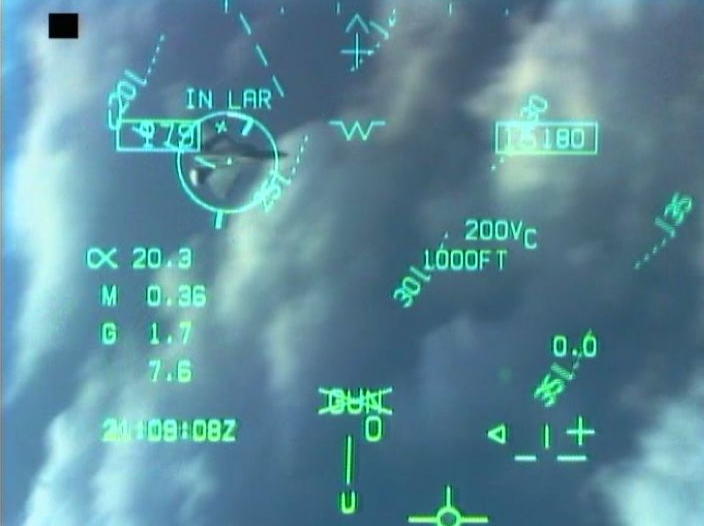
 Â Tactics, training and luck are the determining factors in who survives within visual range aerial combat. Despite the modern emphasis on beyond-visual-range combat, the vast majority of fighter versus fighter engagements have taken place at close ranges. The following ten are the best fighters for this mission. The order is more or less arbitrary, with different aircraft having the advantage at different altitudes and air speeds. By its nature, any top ten is simplistic and should serve as the basis for discussion rather than as a conclusion.
 Tactics, training and luck are the determining factors in who survives within visual range aerial combat. Despite the modern emphasis on beyond-visual-range combat, the vast majority of fighter versus fighter engagements have taken place at close ranges. The following ten are the best fighters for this mission. The order is more or less arbitrary, with different aircraft having the advantage at different altitudes and air speeds. By its nature, any top ten is simplistic and should serve as the basis for discussion rather than as a conclusion.
To keep this blog going- allowing us to create new articles- we need donations. We’re trying to do something different with Hush-Kit: give aviation fans something that is both entertaining, surprising and well-informed. Please do help us and click on the donate button above – you can really make a difference (suggested donation £10). You will keep us impartial and without advertisers – and allow us to carry on being naughty. A big thank you to all of our readers.Â
10. McDonnell Douglas/Boeing F-15 Eagle

Once considered top dog, the F-15 is now making room for younger aircraft. In exercises, the type still does well, but this says more about the pilot quality than any inherent advantage of this platform in the WVR arena. Well-armed, well-equipped and powerful, it is still an aircraft to be respected. In later exercises against India, it is reported to have been able to use superior tactics to defeat Su-30s, despite the Russian aircraft enjoying greater manoeuvrability at low speeds. Powerful and reliable, and flown by some of the best fighter pilots in the world (in USAF service), it remains an adversary worthy of great respect, especially at medium altitudes.
HMD/S: Yes
Advanced SRAAMs: Yes, AIM-9X, Python 4/5
Visual stealth: Poor
Thrust-to-weight ratio: Very good
High alpha performance: Poor
Sustained turn rates: Good (16 degree/sec)
Instantaneous turn rates: Good (21 deg/sec)
9. Chengdu J-10
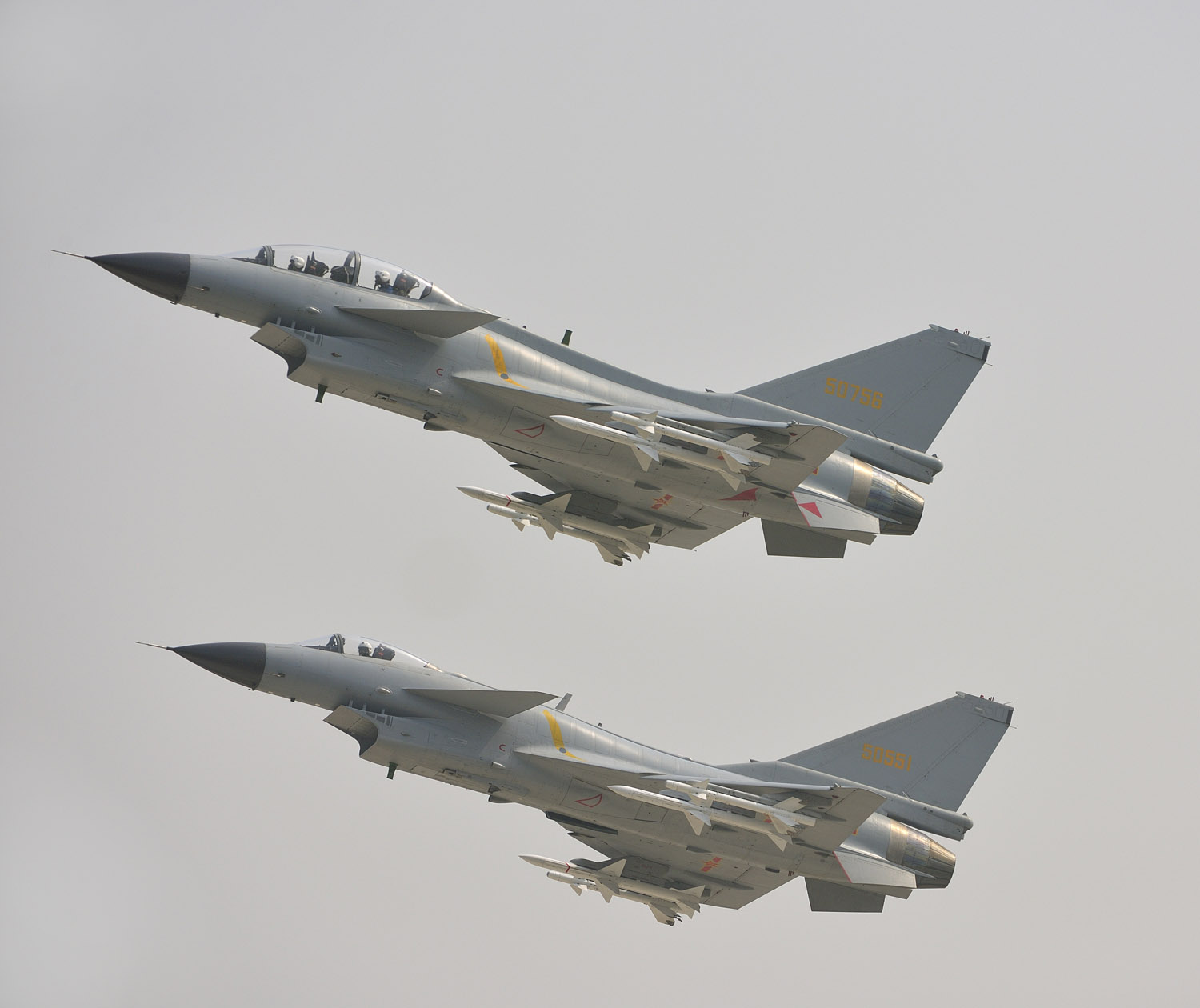
Advanced SRAAMs: No, at present only PL-8
Visual stealth: Excellent
Thrust-to-weight ratio: Good
High alpha performance: Good
Sustained turn rates: Good
Instantaneous turn rates: Good
8. General Dynamics/Lockheed Martin F-16
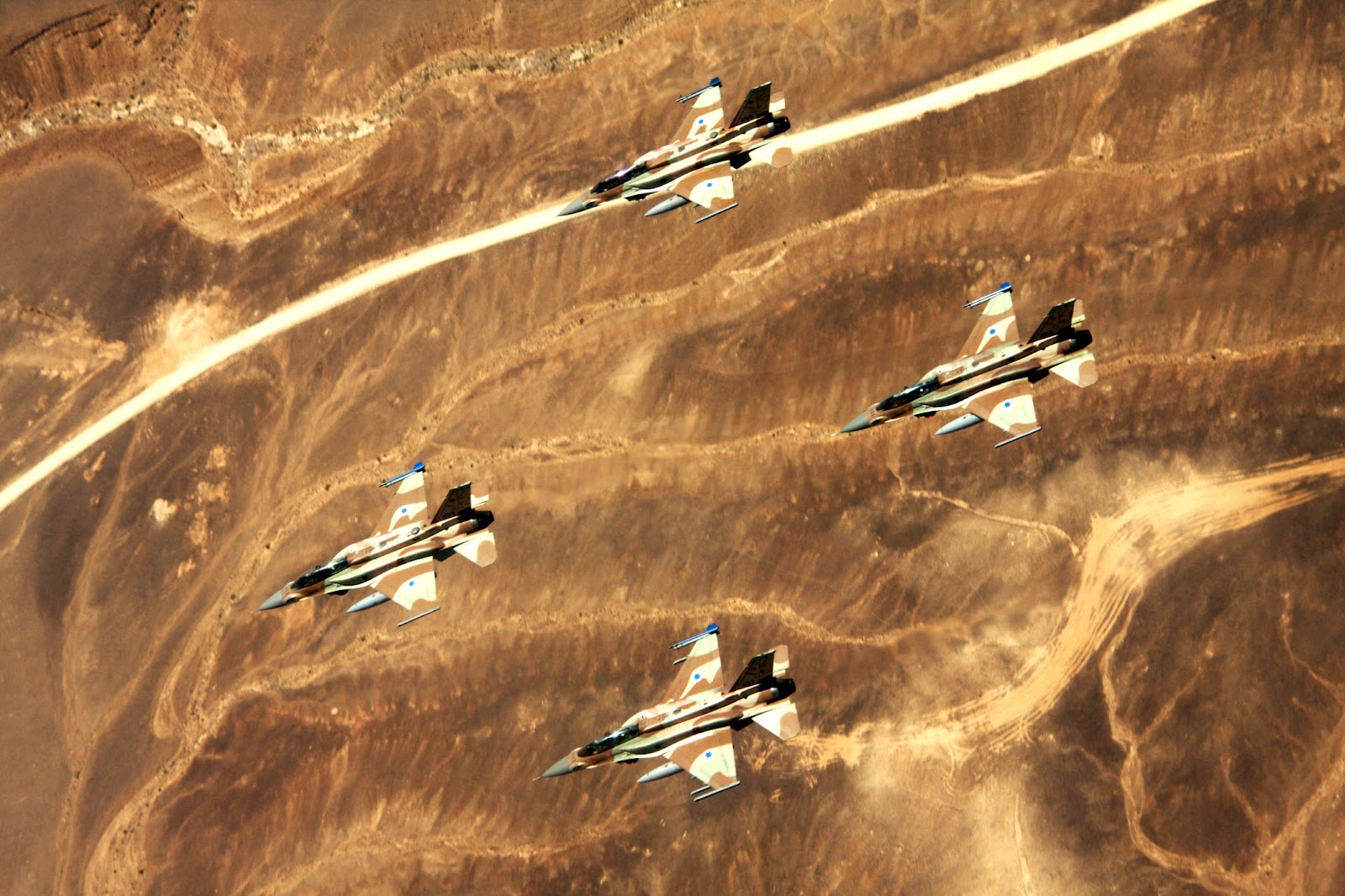
The Viper remains potent at the mission it was designed for: the close-in dogfight. The Viper has grown fatter with age, so the early Block aircraft are the most spritely, this combined with JHMCS and modern missiles, like the AIM-9X, Python 5 and  IRIS-T keep it a foe to respect. It is small and hard for its opponents to keep visual tabs on, it has an impressive turn rate and has better retention of energy than larger-winged peers like the Mirage 2000. Below 10K feet the F-16 is similar in performance to the Typhoon. Most F-16 models have a better thrust to weight ratio than the Super Hornet (when similarly equipped). The Python 5 is regarded as one of the best air-to-air missiles, it has a very large weapon engagement zone (WEZ) and a high resistance to countermeasures. According to one defence writer close to the UK Typhoon force, RAF pilots had greater respect for the F-16s than the Gripens that they have encountered in wargames.
HMD/S: Yes, JHMCS
Advanced SRAAMs: AIM-9X, Python 4/5 and IRIS-T
Visual stealth: Excellent.
Thrust-to-weight ratio: Good
High alpha performance: Good
Sustained turn rates: Good
Instantaneous turn rates: Very good (26deg/sec)
(If all this is too modern for you, have a look at the Top Ten World II fighters)
Was the Spitfire overrated? Full story here. A Lightning pilot’s guide to flying and fighting here. Find out the most effective modern fighter aircraft in beyond-visual range combat. The greatest fictional aircraft here. An interview with stealth guru Bill Sweetman here. The fashion of aircraft camo here. Interview with a Super Hornet pilot here. Most importantly, a pacifist’s guide to warplanes here. F-35 expose here.Â
Â
7. RAC MiG MiG-29
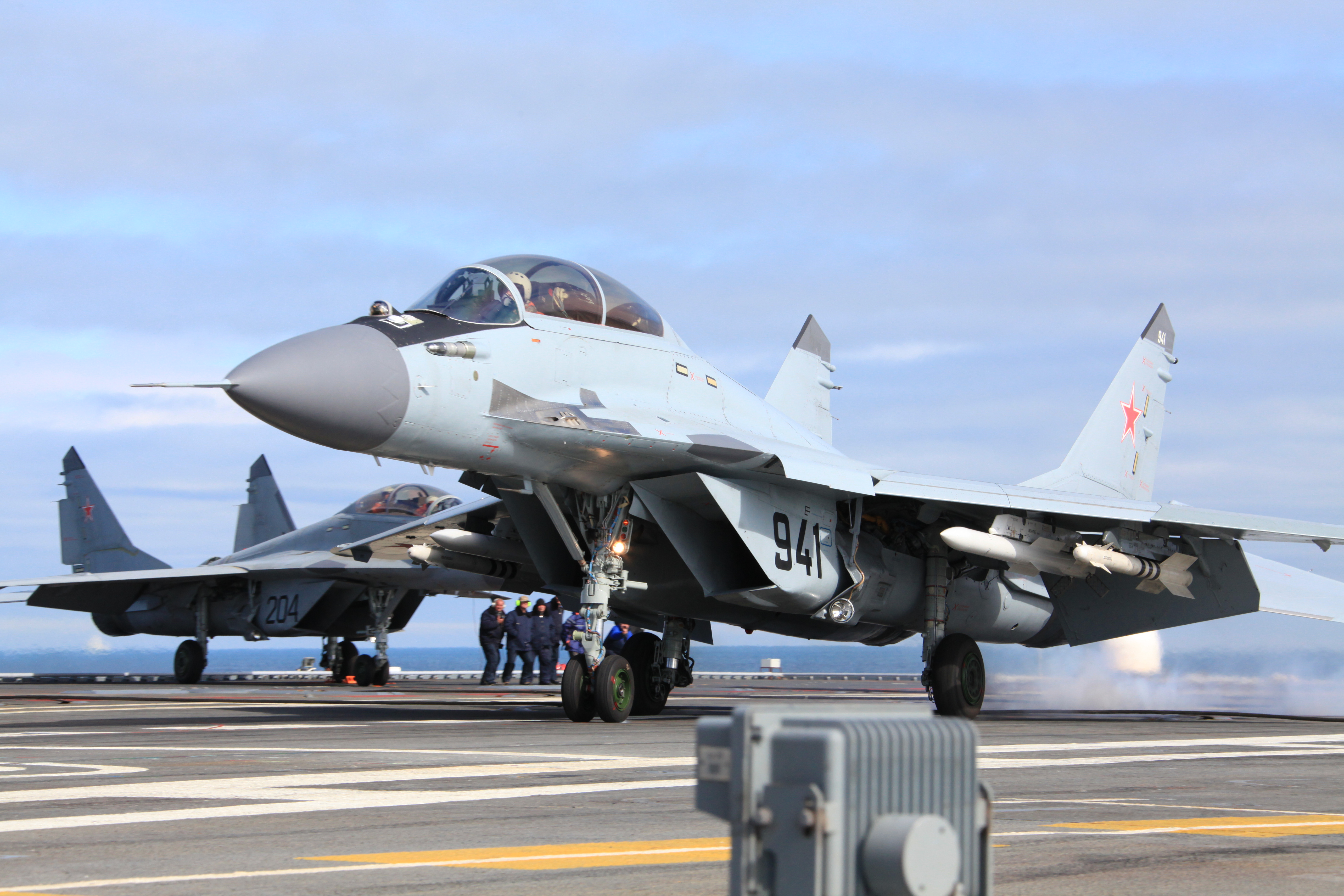
Despite its age the MiG-29 remains a fiercely capable dogfighter, sharing many of the weapon systems of the ‘Flanker’.  The Indian MiG-29K/KUB with the TopOwl helmet-mounted and R-73E is the best-equipped variant in the WVR scenario, but is normally limited to 7G, whereas land-based ’29s are 9G capable. When the MiG-35 enters service it will be the most agile fighter in the world in the low-speed regime, as anyone who has witnessed the physics defying antics of the MiG-29OVT will testify. Though thrust-vectoring, post-stall manoeuvring must be used very carefully to be effective, the MiG-35’s unsurpassed power -to-weight ratio should ensure it recovers lost energy states quickly. The tough structure offers a degree of battlefield protection according to MiG who have assessed the type’s performance in actual wars. According to at least one MiG-29 pilot, the type enjoys a small, but significant advantage over the F-16 in the merge. One USAF F-16C pilot (Mike McCoy of the 510th) who flew BFM against MiG-29s noted, “In a low-speed fight, fighting the ‘Fulcrum’ is similar to fighting an F-18 Hornet…But the ‘Fulcrum’ has a thrust advantage over the Hornet. An F-18 can really crank its nose around if you get into a slow-speed fight, but it has to lose altitude to regain the energy, which allows us to get on top of them. The MiG has about the same nose authority at slow speeds, but it can regain energy much faster. Plus the MiG pilots have that forty-five-degree cone in front of them into which they can fire an Archer and eat you up.” Luftwaffe MiG-29 Oberstleutenant Johann Koeck who flew against F-15s, F/A-18s and F-16s in extensive training exercises noted,” Inside ten nautical miles I’m hard to defeat, and with the IRST, helmet sight and ‘Archer’ I can’t be beaten. Period.”
Follow my vapour trail on Twitter:Â @Hush_kit
HMD/S: Yes
Advanced SRAAMs:Â No, but R-73 is still highly regarded. R-74 in the pipeline.
Visual stealth: Medium (poor in early versions due to smoky engines)
Thrust-to-weight ratio: Excellent
High alpha performance: Excellent
Sustained turn rates: Good
Instantaneous turn rates: Excellent (28deg/sec)
6. Saab Gripen

‘Lose sight, lose the fight‘ is an old dogfighting adage and it is very easy to lose sight of the tiny Gripen. Though not the most powerful fighter, it is agile, well-armed and gives its pilot good situational awareness. Some Gripen operators employ an advanced helmet-mounted sight in conjunction with IRIS-T missiles, a sobering prospect for potential adversaries. The IRIS-T is a highly regarded weapon, with excellent agility and target discrimination. The helmet-sight is an adaptation of the Typhoon helmet, the most advanced helmet in operational service. The Gripen preserves energy very well, is hard to spot and has the smallest IR signature of the fighters on this list.
Thank you for reading Hush-Kit. Our site is absolutely free and we have no advertisements. If you’ve enjoyed an article you can donate here– it doesn’t have to be a large amount, every pound is gratefully received. If you can’t afford to donate anything then don’t worry.
At the moment our contributors do not receive any payment but we’re hoping to reward them for their fascinating stories in the future.
(Top Ten Swedish aeroplanes here)
Helmet Mounted Display/Sight: Yes: Cobra
Advanced SRAAMs: IRIS-T
Visual stealth: Excellent
Thrust-to-weight ratio: Good
High Alpha performance: Good
Sustained turn rates: Excellent
Instantaneous turn rates:Â Very good
5. Dassault Rafale

The Rafale can maintain higher Alpha manoeuvres than the Typhoon. Â It is very agile, with an excellent man machine interface and the most advanced aircraft cannon. Like most carrier fighters it is docile in the low speed ranges that most within-visual-range fights take place at. Whereas The Typhoon excels at high speed high-altitude maneuverability, the Rafale excels at low speed and low altitude, though its high altitude performance has also impressed French pilots. At sea level, the Rafale is reported to have a superior instantaneous turn rate to Typhoon. One pilot who has flown Rafale, and is knowledgeable of the Typhoon’s performance, claims that below 10,000 ft it would ‘eat Typhoon’. The Rafale lacks a helmet-mounted sight and its high alpha performance is inferior to that of the Hornet family. The Rafale has reportedly done well in DACT exercises against the F-22. The Rafale is an extremely tough opponent in the WVR regime. MICA has an LOAL capability allowing targets in the ‘six o’clock’ to be engaged.
HMD/S: No
Advanced SRAAMs: Yes, MICA
Visual stealth: Medium
Thrust-to-weight ratio: Very good
High alpha performance: Very good
Sustained turn rates: Very good
Instantaneous turn rates: Excellent (especially at low level)
Help us give you more by donating to Hush-Kit here – even £1 is appreciated and it takes 10 secondsÂ
4. McDonnell Douglas/Boeing F/A-18 Hornet/Super Hornet
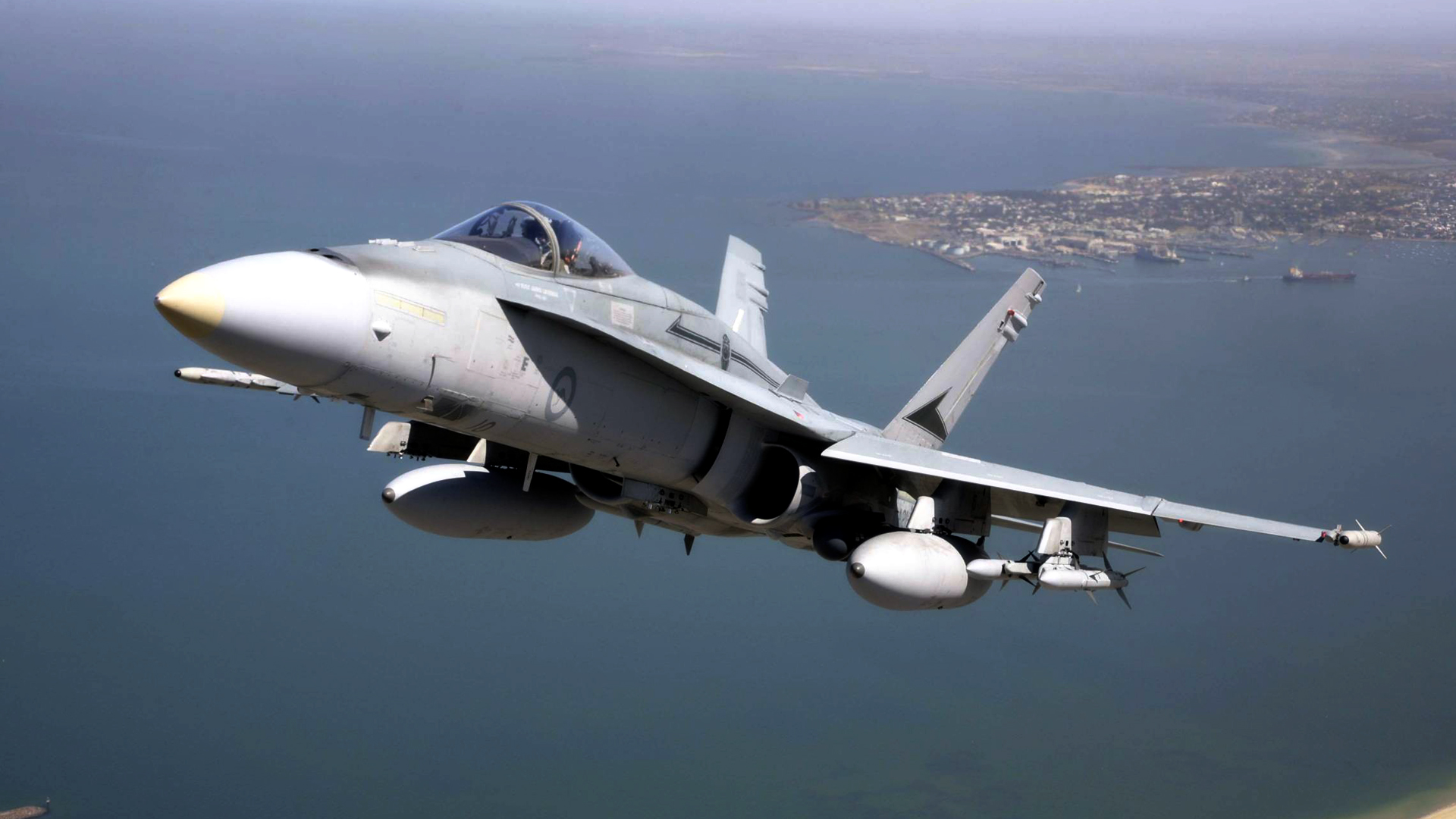
The Bug family have excellent nose authority, JHMCS and good missiles in the form of AIM-9X (or ASRAAM for RAAF legacy birds). At low level they are the equal of any operational fighter, but at higher altitudes (and higher speeds) they are at a disadvantage against more modern aircraft like the Typhoon, Rafale and F-22. The legacy Hornet is 9G rated as opposed to the larger Super Hornet which is stressed up to 7G for normal operations (it is really the legacy F/A-18 that deserves this high ranking but the Super Hornet is also highly regarded in the ‘merge’).  It has been noted by F-16 pilots that Super Hornets lose energy quicker than Vipers at higher altitudes. In a slow fight, no Western fighters can match either the Bug or the Rhino. One pilot who has flown the Super Hornet recommended that I mention the ‘Turbo Nose down’, a manoeuvre which utilises the aircraft’s excess power to rapidly push the aircraft out of high alpha flight. Australian Hornets have demonstrated an 180° missile shot with the AIM-132, firing the missile at a target in the firing aircraft’s 6’o’ clock in the lock-on after launch mode. The so-called ‘Parthian Shot‘ is a defensive boon, but demands a wingman with nerves of steel and faith in the technology!
Read more about flying the Super Hornet here and here.
(For the sake of brevity the two F/A-18 family members share one entry.)
HMD/S: Yes
Advanced SRAAMs: ASRAAM, AIM-9X
Visual stealth: Medium
Thrust-to-weight ratio: Good
High alpha performance: Excellent
Sustained turn rates: Good
Instantaneous turn rates: Excellent
3. Eurofighter Typhoon
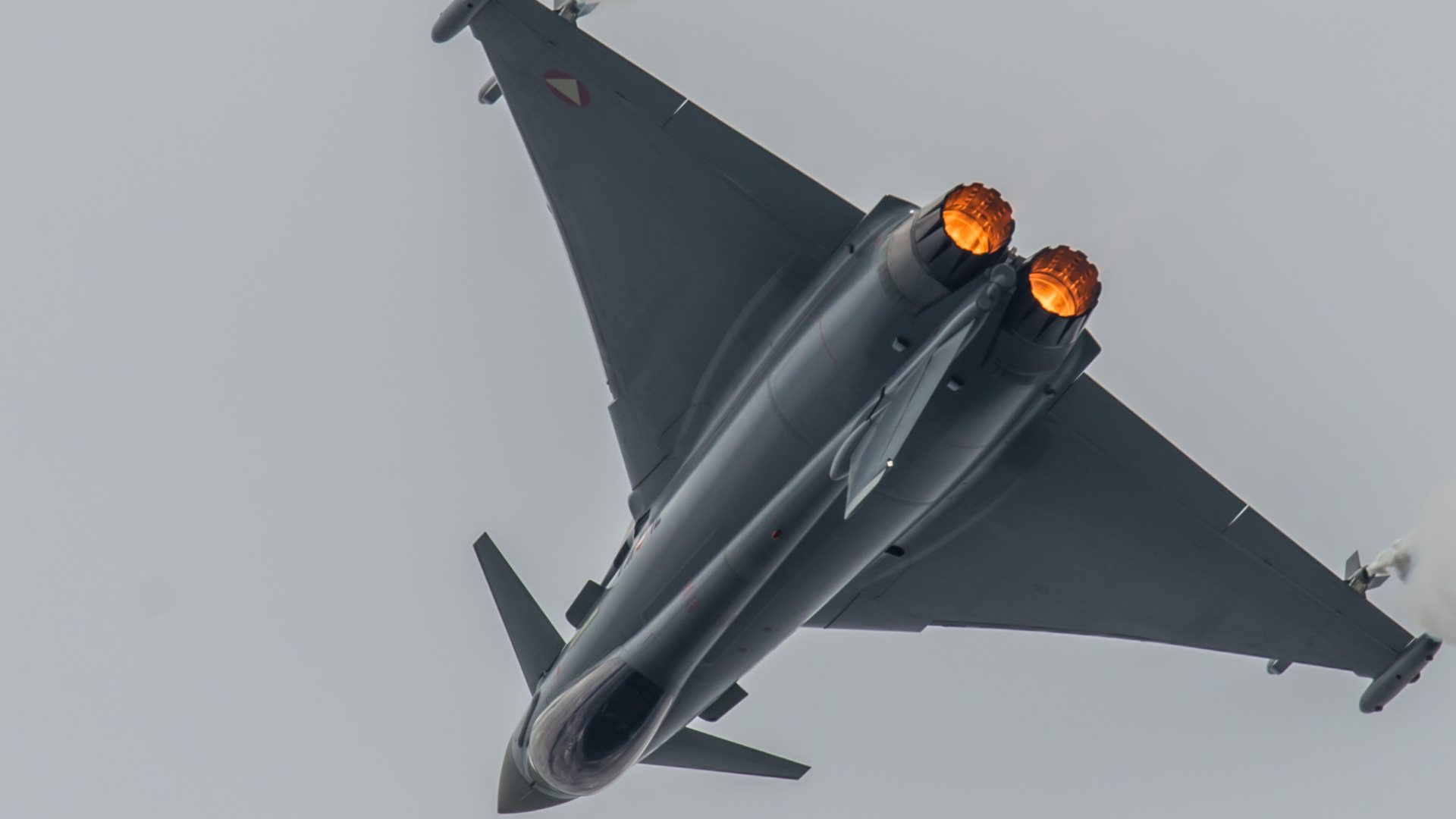
Wild turn rates, a true 9G performance and enormous excess power make the Typhoon a hell of a dogfighter; the highly regarded G-suits worn by Typhoon pilots increase tolerance to the high forces generated by the energetic Typhoon. It also features the most advanced helmet mounted sight in service (and the newer Striker 2 is, according to one independent tester, ‘superb’), a powerful cannon and the excellent IRIS-T and ASRAAM missiles. The combination of advanced missile and helmet imbue the Typhoon with a terrifying off-boresight missile shot capability. Testing of the Aerodynamic Modification Kit, which includes modified strakes, extended flaperons and mini-leading edge root extensions may go some way to rectifying Typhoon’s main limitation – a pedestrian high alpha performance. But the Typhoon is not an ‘angles fighter’ like the F/A-18 which relies on risky (as they drain energy quickly) but startling attacks in the merge; the Typhoon is an ‘energy fighter’ using its phenomenal ability to preserve energy in a dogfight to wear its opponents out. In short, if an opponent doesn’t get a Typhoon on his first attack he is in a very dangerous position as a large amount of excess thrust makes the aircraft a very energetic adversary.
In exercises against Indian Air Force, RAF Typhoons used their superior energy and acceleration to ‘reliably’ trounce Su-30MKIs.
F-22 pilots who ‘fought’ the Typhoon in DACT were impressed by its energy levels (especially in the first turn) and several Luftwaffe aircraft proudly displayed Raptor ‘kill’ silhouettes beneath their cockpits. Â Like the Raptor, the Typhoon has such a formidable reputation that any ‘victories’ against it in training exercises make excellent boasts. At medium to high altitudes, the type is generally superior to the teen fighters in the WVR regime. According to one Typhoon pilot, its dog-fighting abilities are a close match to the Raptor’s, but Typhoon benefits from being smaller and better armed.
HMD/S: Yes
Advanced SRAAMs: ASRAAM, IRIS-T
Visual stealth: Medium
Thrust-to-weight ratio: Excellent
High alpha performance: Poor
Sustained turn rates: Excellent
Instantaneous turn rates: Excellent
2. Lockheed Martin F-22A Raptor

The Raptor’s excellent power-to-weight ratio, low wing-loading and 2D thrust-vectoring make it a fierce opponent in the visual range dogfight. It is let down by its lack of helmet-mounted sight and its large size. Until 2016 it was armed with the geriatric AIM-9M, but it now carries the AIM-9X. The internal carriage of its AIM-9X limits the way they can be used, and it only carries two. According to Typhoon pilots who ‘fought’ against it, the Raptor loses energy very quickly when employing thrust vectoring. The Raptor pilot likes to keep the fight high and fast. The F-22 has never been seriously challenged in wargames or DACT exercises- though the WVR regime is not its strongest card it is still extremely hard to beat, to the point that any ‘kills’ scored by pilots against the Raptor become newsworthy. Its pilots are, outside of adversary units, probably the best in the world.
HMD/S: No
Advanced SRAAMs: Yes, AIM-9X
Visual stealth: Poor
Thrust-to-weight ratio: Excellent
High Alpha performance: Excellent
Sustained turn rates: Excellent (28 deg/sec at 20K ft)
Instantaneous turn rates: Excellent
1. Sukhoi Su-35Â
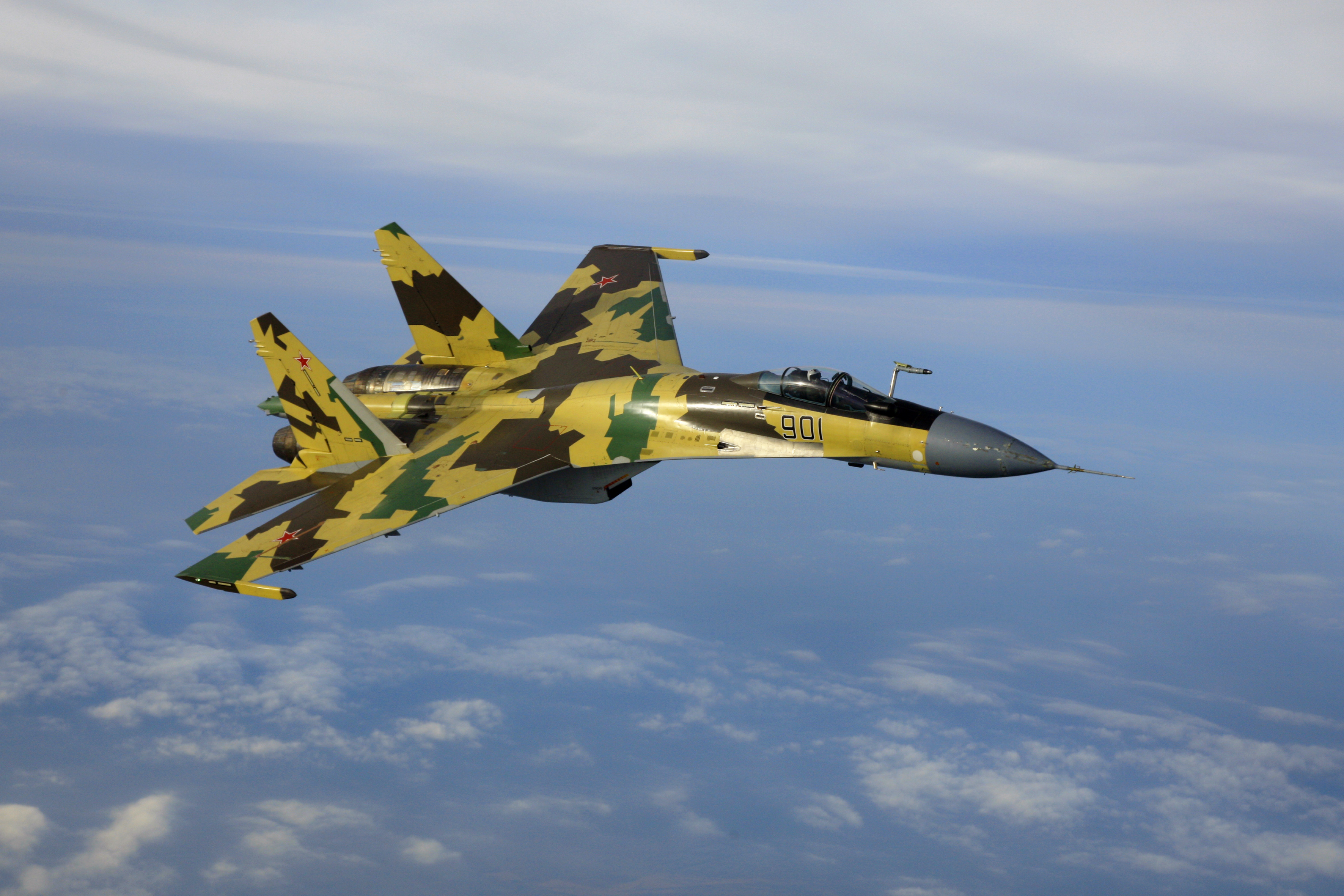
The Sukhoi Su-27 is no slouch in the dogfight, and this advanced derivative is even more potent; the fighter, which is now in service with the Russian air force in small numbers, benefits from an additional 7,000Ibs of thrust combined with a variety of refinements. The Su-35’s engines, at maximum reheat, generate a staggering 62,000Ibs of thrust, which when combined with the ‘Flanker’ series superb aerodynamic configuration and vectored thrust nozzles, create an aircraft unparalleled in low-speed manoeuvrability. Whereas the F-22 relies on two-dimensional thrust vectoring, the Su-35 utilises 3D nozzles and a robust flight control system that have been perfected over the last thirty years.  A Su-35 (ably demonstrated by Sergei Bogdan) held the crowds of Paris 2013 spellbound with its demonstration of dramatic post-stall manoeuvring.
The biggest question mark with the Su-35s within-range combat effectiveness is the degree to which the enormous thrust and robust engines aid energy preservation. The Su-35 unique abilities will require unique tactics – if flown by well-trained pilots, the Su-35 will prove a worthy adversary to any in-service fighter in the vicious world of the low-speed furball.
HMD/S: Yes
Advanced SRAAMs:Â R-73E/M
Visual stealth:Â Poor
Thrust-to-weight ratio: Excellent
High alpha performance:Â Excellent
Sustained turn rates: Excellent
Instantaneous turn rates: Excellent
 If you’ve enjoyed this article please do donate- you can help us.
So there we have it, or do we?
I asked a fighter pilot (with experience of flying most of the ‘4.5 generation’ fighter aircraft) his opinion on my top ten selection; he was keen to dismiss such a crude approach:
“It is complicated to discuss this issue in just a few words, but in order to produce a new look analysis on WVR, you should think about gyroscopic vs needle ‘driving styles’ (and the capabilities needed to play this or that, of course). So, you will pass through power-to-weight ratio, rudder surfaces, flying characteristics across different flight levels, etc. Until you get to the crucial area of energy management (that sifts the ace from the targets). It is all a question of control of the part of the egg you want to keep the fight, and well-trained pilots with good tactics will always try to keep the fight in a corner where they have some advantage. We’re not talking about an UFC card! It is team work.
The tactical egg is an imaginary bubble that represents all possible motions of an aircraft in a dogfight, showing the effects of gravity on the aircraft’s manoeuvring. Of course, new weapons (with the ability to lock-on after launch), helmet mounted sight, etc. are making the job much more complex.
Conclusion: This question requests hours of conversation and a dozen beers! ;)”
Thank you for reading Hush-Kit. Our site is absolutely free and we have no advertisements. If you’ve enjoyed an article you can donate here– it doesn’t have to be a large amount, every pound is gratefully received. If you can’t afford to donate anything then don’t worry.
At the moment our contributors do not receive any payment but we’re hoping to reward them for their fascinating stories in the future.
If this article infuriated you, try our top ten BVR fighters here
follow my vapour trail on Twitter:Â @Hush_kit
(I won’t bore you with the standard disclaimers regarding reading too much into leaked DACT gossip).
“If you have any interest in aviation, you’ll be surprised, entertained and fascinated by Hush-Kit – the world’s best aviation blogâ€. Rowland White, author of the best-selling ‘Vulcan 607
From the cocaine, blood and flying scarves of World War One dogfighting to the dark arts of modern air combat, here is an enthralling ode to these brutally exciting killing machines.
The Hush-Kit Book of Warplanes is a beautifully designed, highly visual, collection of the best articles from the fascinating world of military aviation –hand-picked from the highly acclaimed Hush-kit online magazine (and mixed with a heavy punch of new exclusive material). It is packed with a feast of material, ranging from interviews with fighter pilots (including the English Electric Lightning, stealthy F-35B and Mach 3 MiG-25 ‘Foxbat’), to wicked satire, expert historical analysis, top 10s and all manner of things aeronautical, from the site described as:
“the thinking-man’s Top Gear… but for planes”.
The solid well-researched information about aeroplanes is brilliantly combined with an irreverent attitude and real insight into the dangerous romantic world of combat aircraft.
NOW AVAILABLE: The Hush-Kit Book of Warplanes, a gorgeous heavily illustrated – and often irreverent- coffee-table book covering the history of aviation 1914 – the present.


